
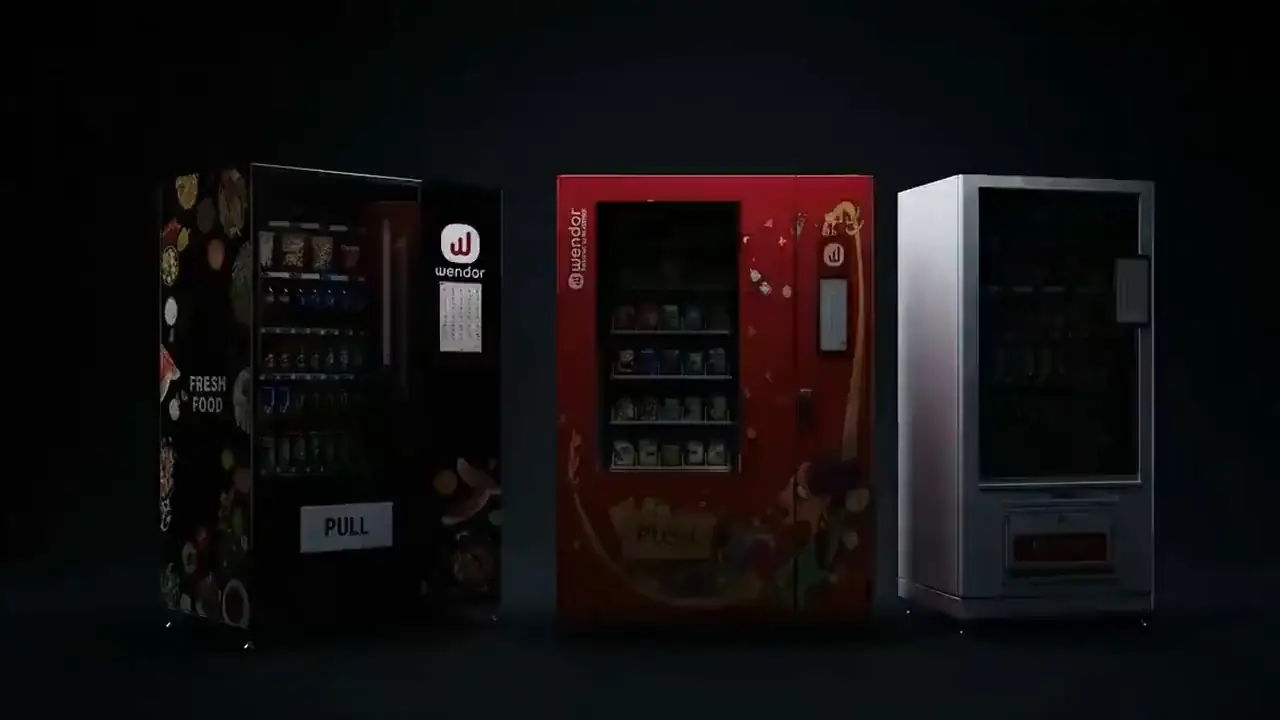
Retail and Malls
Smart vending solutions built for real-world operations.
Our clients
Organisations whose sites host Wendor machines










Retail challenge
Mall purchase intent is easy to lose.
Shoppers buy on the move: on the way to the cinema, between anchor stores or while waiting. If the option is too far or too slow, the impulse is gone.
Weak capture in walkways
- Busy zones with no compact offer where demand appears.
- Short-lived intent fades if buying feels inconvenient.
- Premium destinations reject cluttered or off-brand retail.
Wendor mall retail layer
- Impulse products placed where people actually walk by.
- Cashless checkout and presentation that suit premium malls.
- Stock discipline for always-on public visibility.
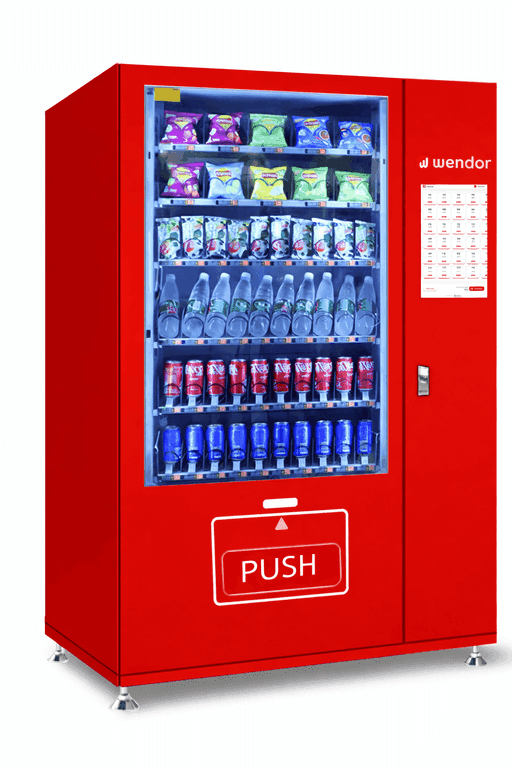
Why Wendor fits retail destinations
Merchandising and checkout in one flow.
Compact self-service retail, not a fallback snack machine, with strong presentation and operator visibility.
-
Intentional product presentation
In a mall, the machine must look commercially credible from a distance and be easy to shop in seconds.
-
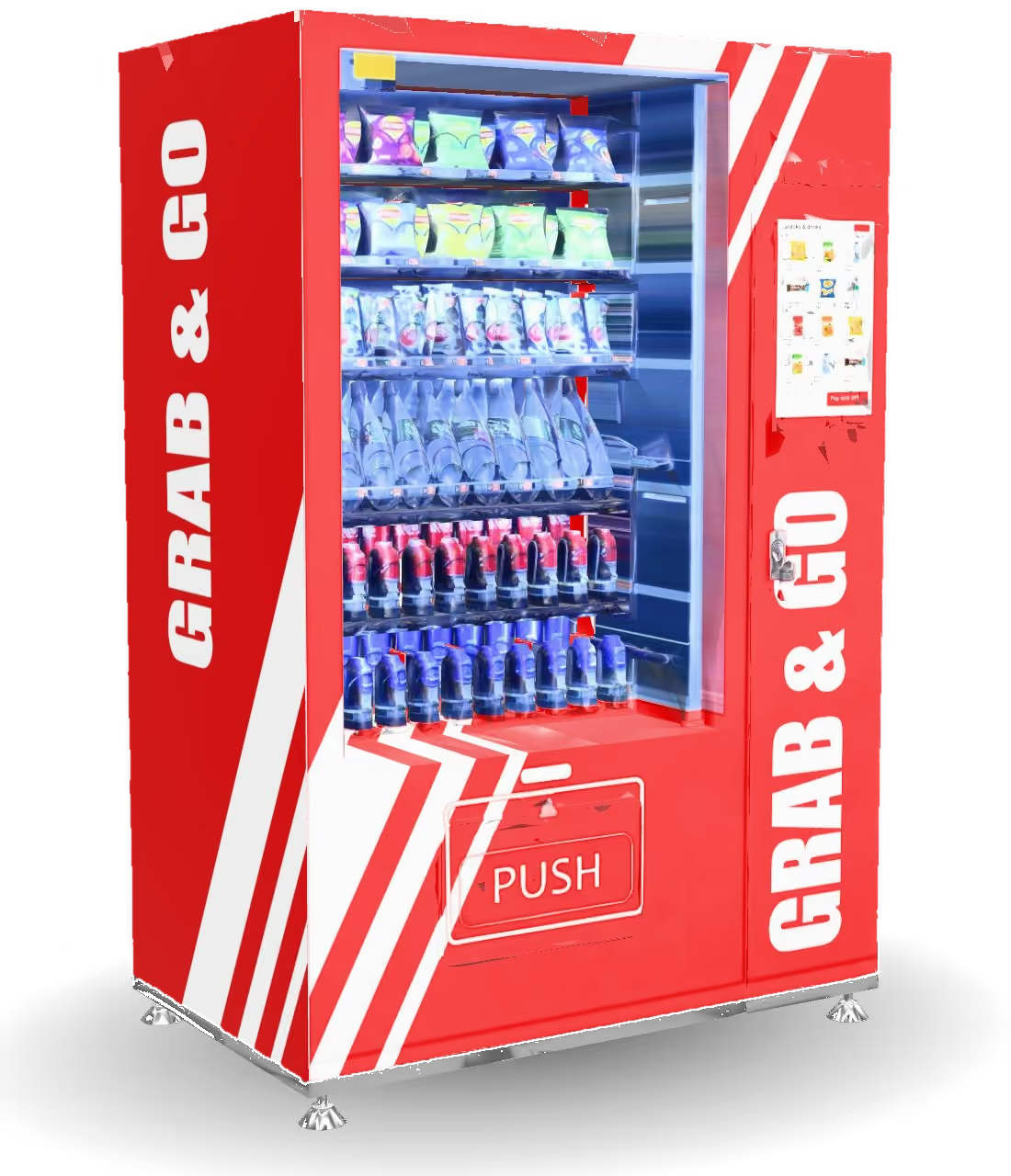
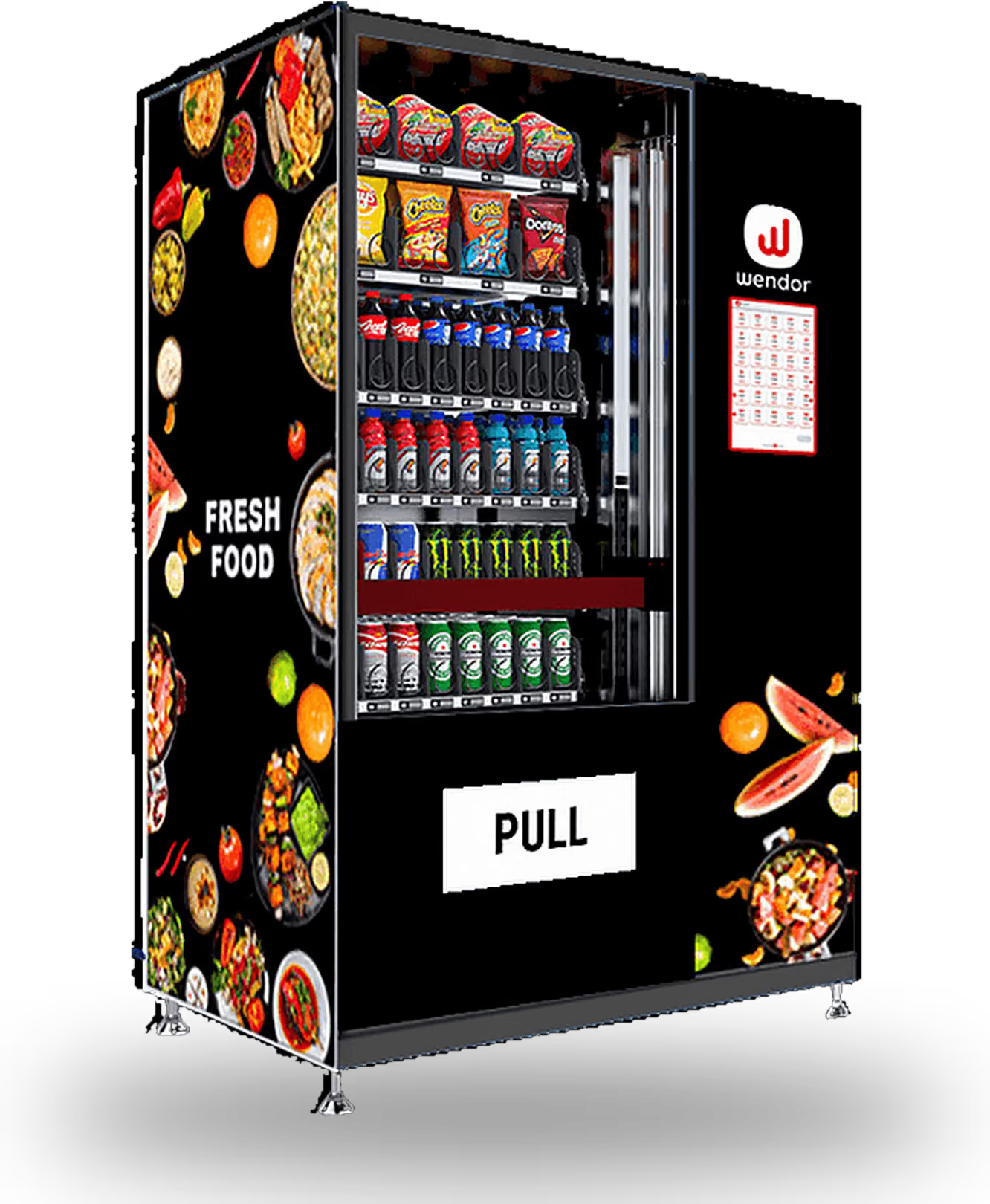
Brand-forward surfaces
Room for brand visibility, campaign storytelling and a polished product encounter in public space.
- Stronger than a generic snack box in a premium destination.
- Space for activation-style retail moments.
-
Cashless reliability and retail visibility
Always stocked, sale-ready and in line with how shoppers pay today.
Smart capabilities
Features for mall retail zones.
-
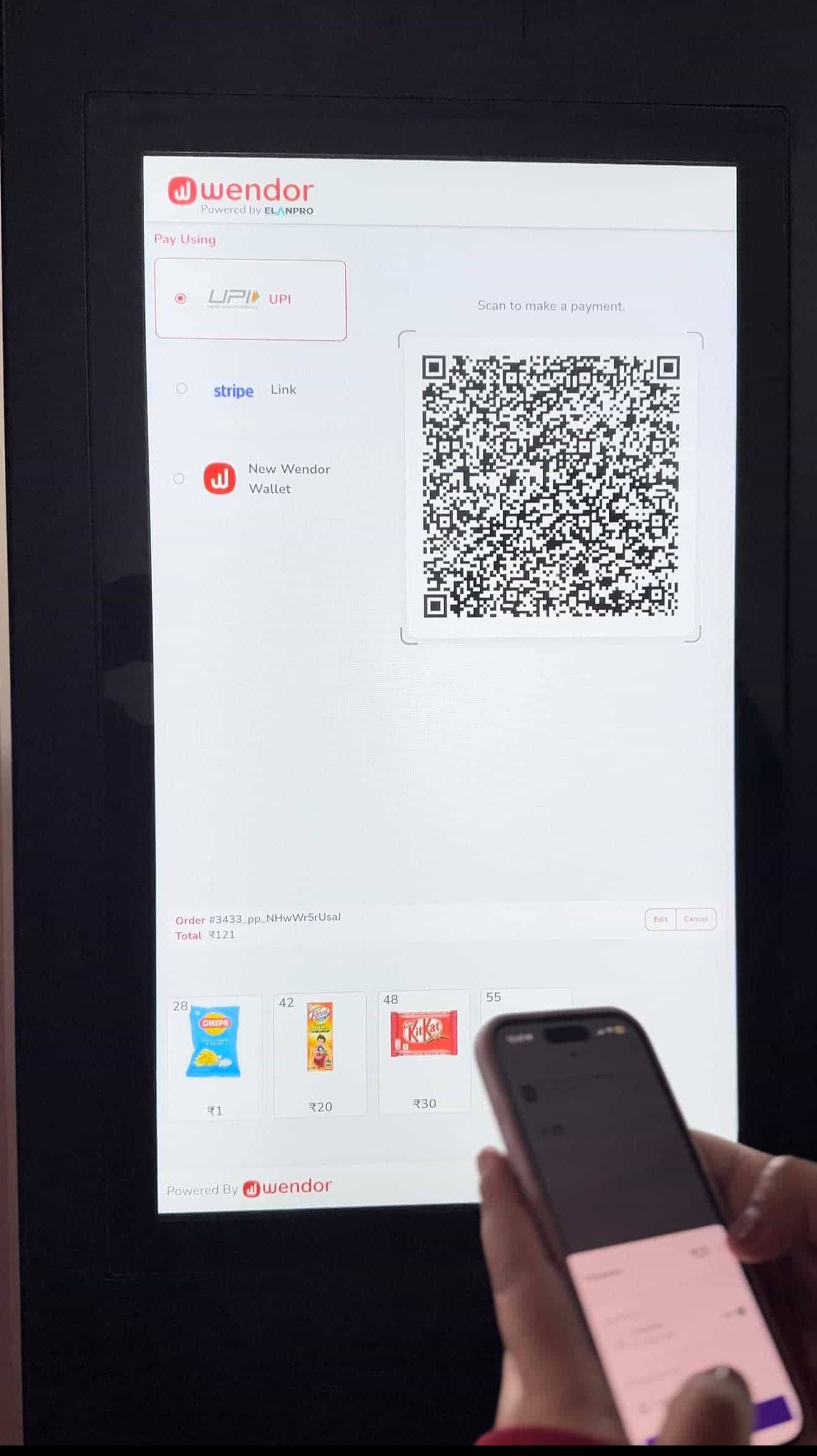
Impulse-friendly flow
Cashless checkout that keeps the basket moving.
-
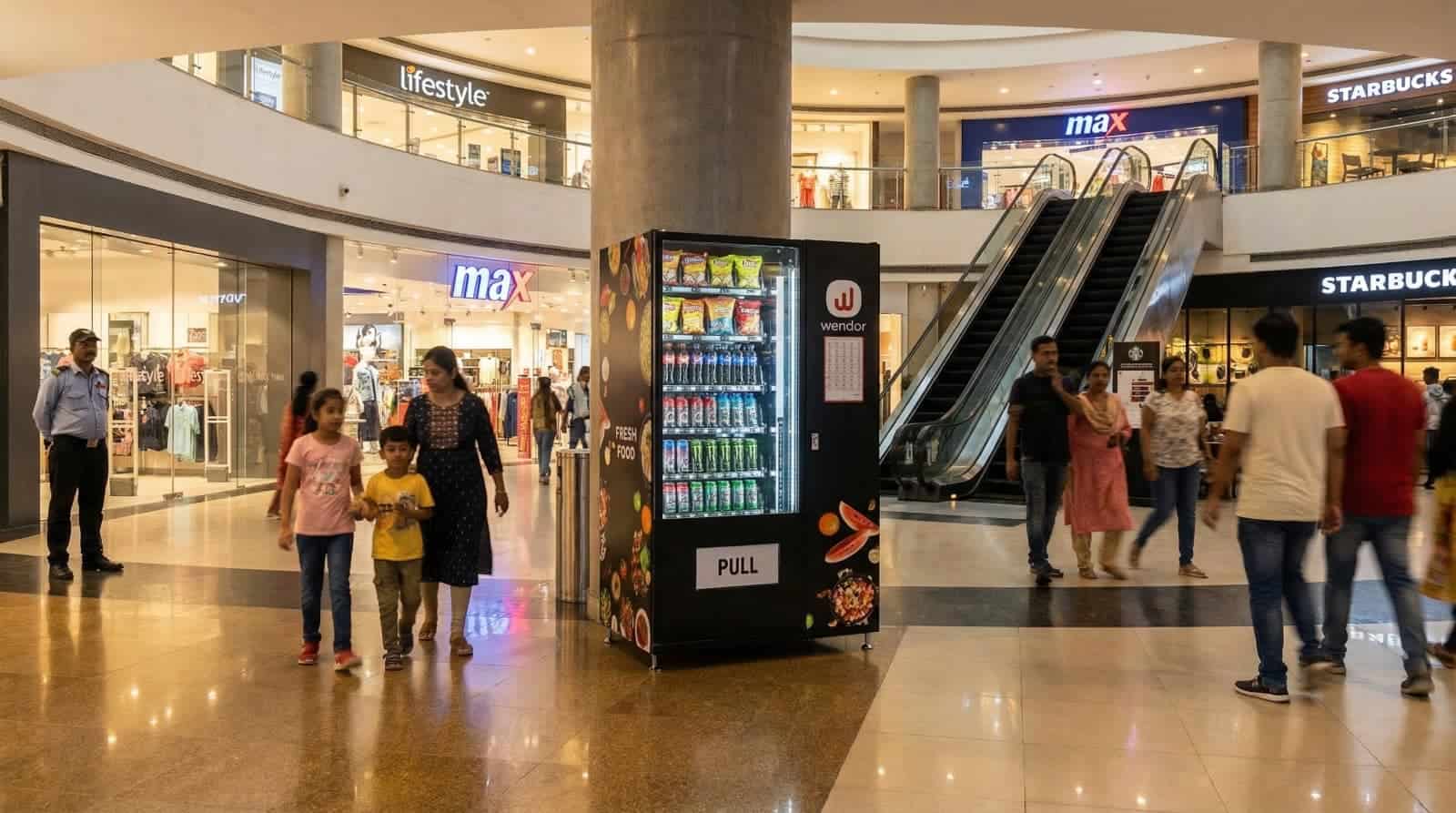
Brand-forward surfaces
Presentation that fits premium retail corridors.
-
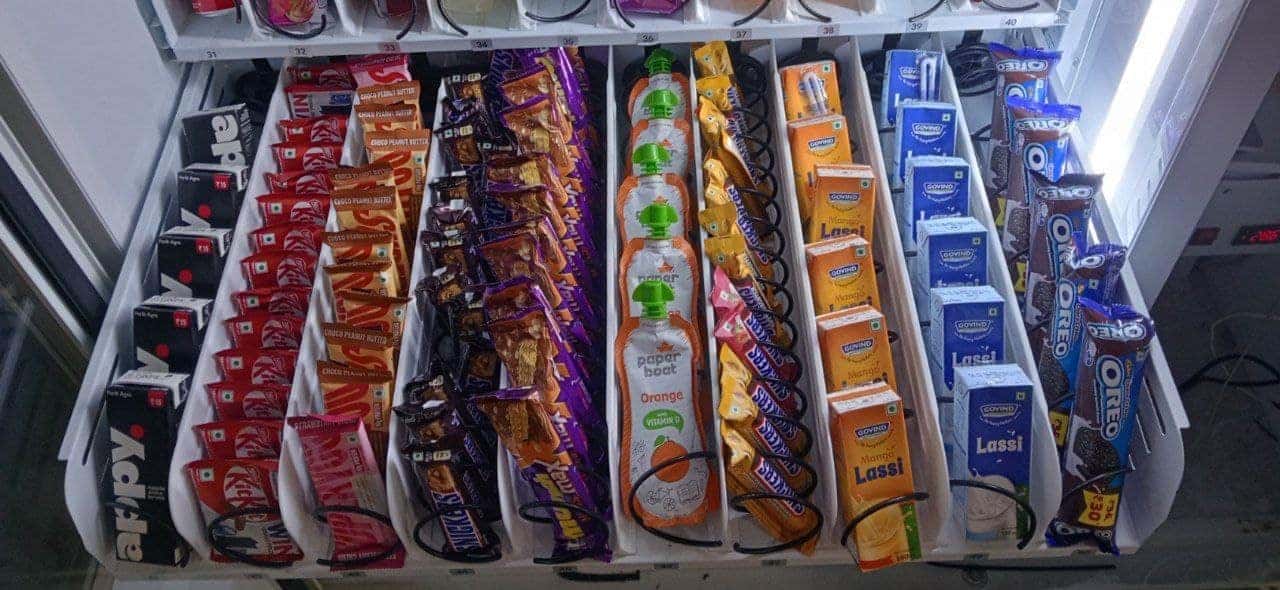
Category flexibility
Accessories, snacks, drinks and trial products.
-
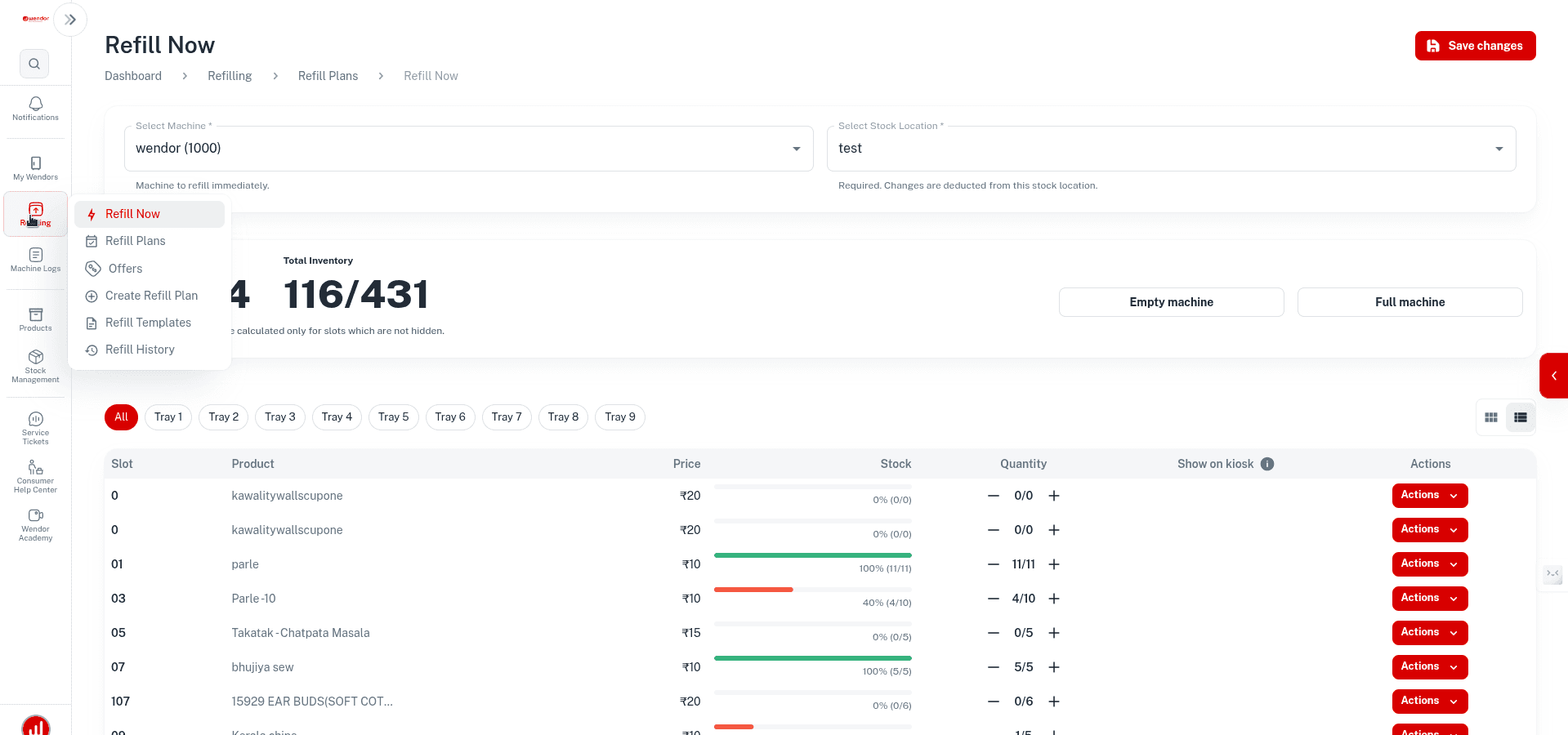
Retail visibility
Stock discipline for public-facing mall spaces.
Deployments
Mall vending in action.
Corridor, atrium and cinema-side placements for impulse and convenience.
.4-OLPncs.jpeg)
.vwWLn-FX.jpeg)
.CyGx6nPG.jpeg)
.SV-aZN6B.jpeg)
Capture impulse demand, extend convenience beyond staffed counters and create brand-forward moments for accessories, snacks and quick essentials.
Vending in Brazil
Running vending machines in Brazil
Brazil is PIX country: instant payments by QR code have become the most used payment method in the country. Operators also deal with a complex tax system, electronic consumer receipts and a power supply that varies between 127 V and 220 V by city.
How people pay in Brazil
PIX is fast, free for consumers and used for almost everything, so it should be on every machine.
- PIX
- Instant payment by dynamic QR code from any Brazilian bank app.
- Debit and credit cards
- Contactless Visa, Mastercard and Elo.
- Digital wallets
- Mercado Pago and others, depending on the payment gateway.
Licences and rules
- Health surveillance
- Food vending follows ANVISA rules and local health surveillance (vigilância sanitária) licensing.
- INMETRO
- Imported electrical equipment may need INMETRO certification.
- Electronic receipts
- Many states require an electronic consumer invoice (NFC-e) or equivalent for retail sales.
- Taxes
- Imports carry import duty, IPI, PIS/COFINS and state ICMS. Model them before ordering.
Pricing and tax
Plan every Brazilian project on the all-in landed cost in BRL, not the machine price alone.
- Landed cost = machine + freight + import duty + IPI + PIS/COFINS + ICMS.
- Portuguese on-screen text and labels are expected.
- A pilot of a few machines helps validate PIX conversion before larger imports.
On the ground
- Power
- Mains voltage is 127 V or 220 V depending on the city, at 60 Hz. Confirm the site voltage and machine specification first.
- Climate
- Heat and humidity in much of the country mean chilled machines need ventilation.
- How we support the rollout
- Our international team scopes the project with you, and every machine reports stock, sales and faults in real time. Most issues are diagnosed remotely, and you see the same dashboard we do.
Where first machines usually go
- CondominiumsUnattended mini-markets and machines in residential buildings are a fast-growing format.
- Offices and co-working spacesSnacks and drinks paid by PIX.
- GymsDrinks and protein snacks.
- Hospitals and universitiesRound-the-clock demand.
This is a planning guide, not legal or tax advice. Rules and rates change, so confirm current requirements with the authority named before you launch. Which payment methods a machine accepts depends on the payment terminal and gateway chosen for your sites.
FAQ
Vending machines for malls and retail: common questions
Questions that come up when self-service retail is planned for premium destinations.
