
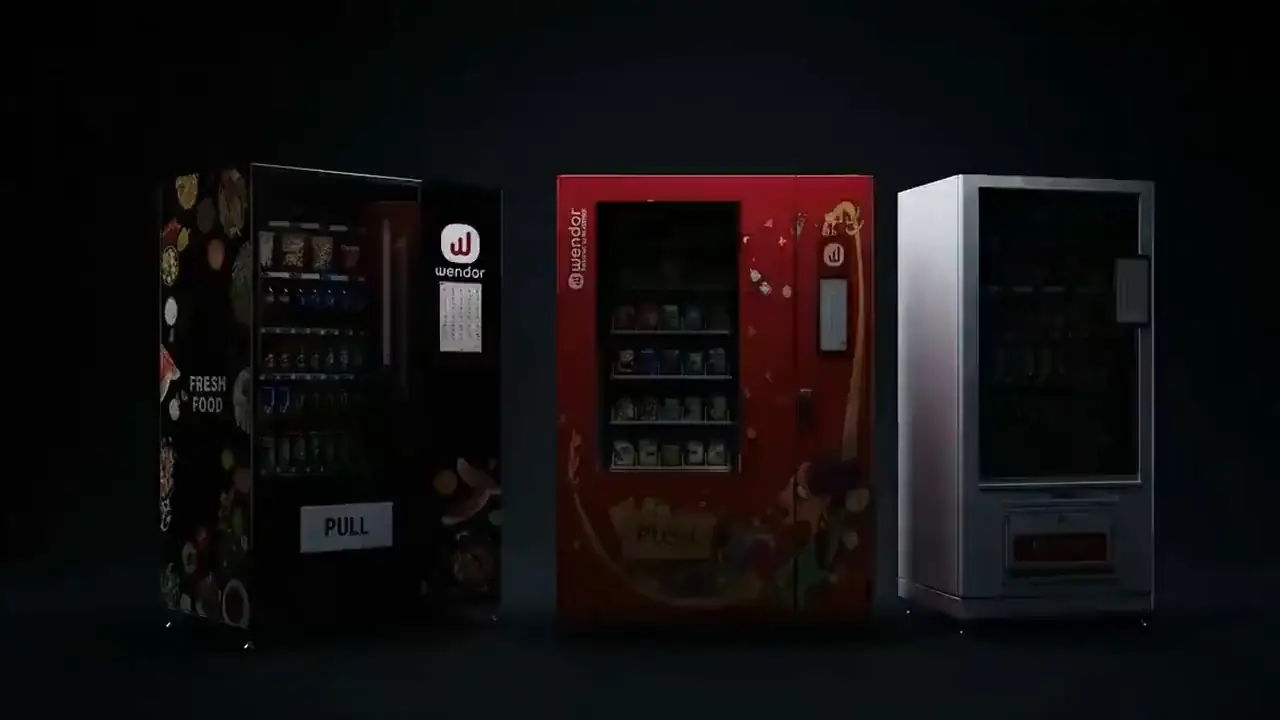
Residential Communities
Smart vending solutions built for real-world operations.
Our clients
Organisations whose sites host Wendor machines










Resident needs
Daily needs are small and urgent.
Water, a snack, tissues, a charger: residents would rather buy them in the building than make a trip to the shop.
Trips outside the building
- Late-night needs when shops are shut or delivery is too slow.
- Short trips for basics are a chore in large compounds.
- Property teams do not want another unmanaged refill job.
Wendor residential layer
- A trusted common-area amenity residents can rely on.
- Cashless buying that stays simple for families and guests.
- Stock and service visibility so the machine stays useful.
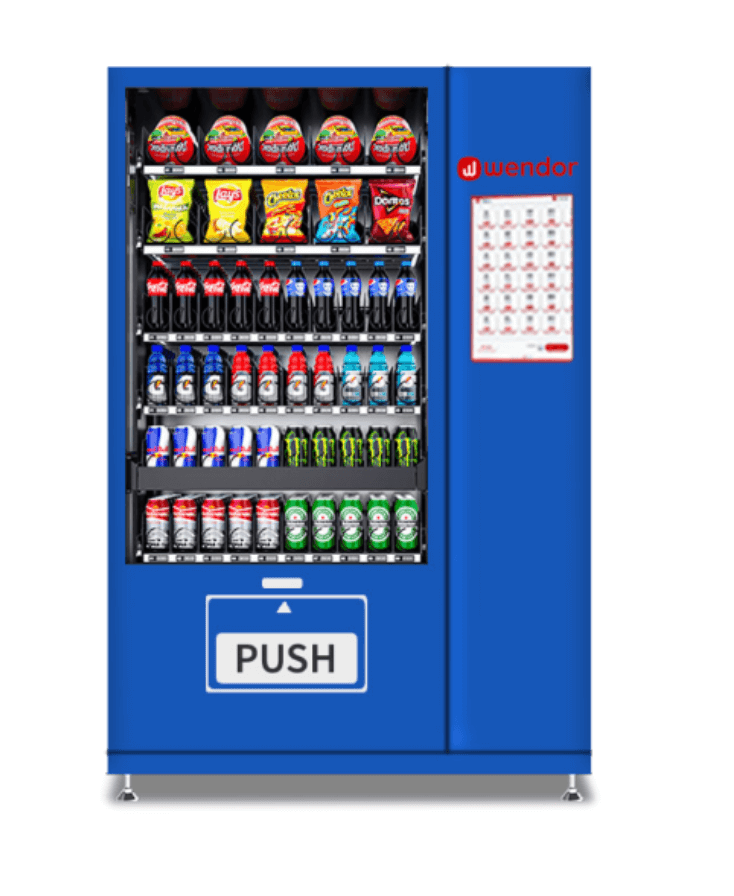
Why Wendor fits residential communities
A reliable community amenity.
Everyday practicality, simple cashless buying and predictable service for property managers and owners’ associations.
-
Products for daily life
Drinks, snacks, hygiene items and quick basics chosen around what residents need in small urgent moments.
-
Resident-friendly buying
Cashless checkout keeps everyday use easy for residents, families and guests.
- Cards, wallets and QR payments in the lobby.
- No cash to collect or reconcile.
-
Visibility for service and stock
Property managers can see refills, usage and upkeep instead of guessing.
Smart capabilities
Features for residential communities.
-
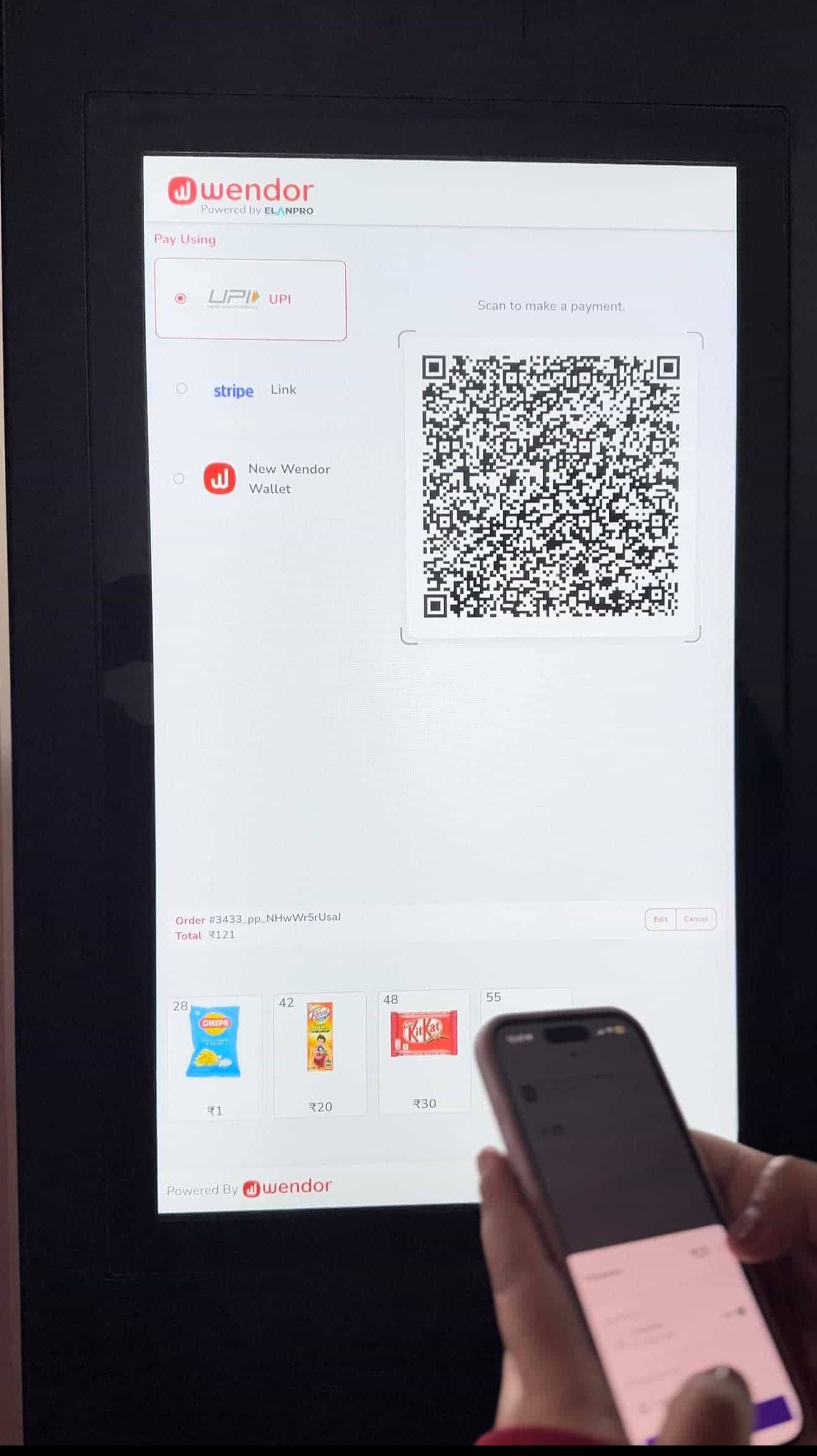
Cashless payments
Simple digital buying for residents and guests.
-
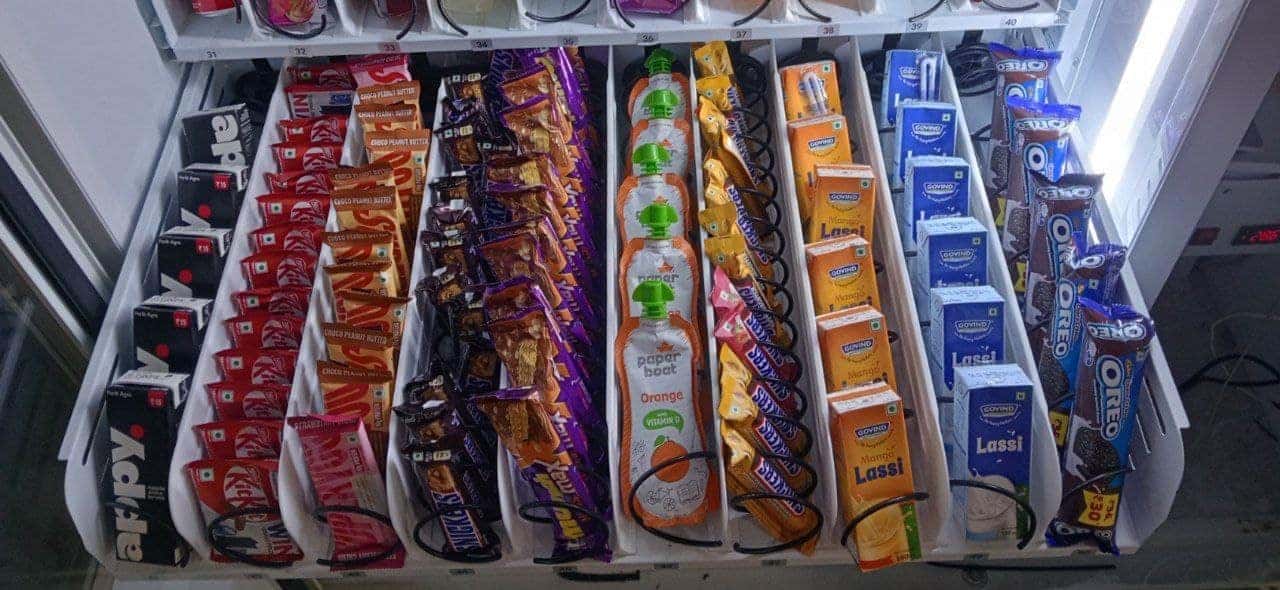
Daily-life range
Drinks, snacks, hygiene and household basics.
-
.CsfrWOW2.jpeg)
Service visibility
Refill and upkeep data for shared spaces.
-
.GsGjKlBz.jpeg)
Efficient operation
Far lower overhead than a staffed shop.

Deployments
Community vending in action.
Lobby, clubhouse and tower placements that support real daily use.
.ohjR7NRH.jpeg)
.BdYjoulN.jpeg)
.2Go2l0Re.jpeg)
Reliable in-building access to daily needs and late-night basics, with cashless buying and no staffed shop to run.
Vending in Oman
Running vending machines in Oman
Oman is a growing cashless market built on the OmanNet debit network. Operators register commercially, get municipality licences for placements and charge 5% VAT, introduced in 2021.
How people pay in Oman
Cards and contactless payments are common in Muscat; cash is still used elsewhere.
- OmanNet
- The national debit network.
- Visa and Mastercard
- Tap-to-pay cards.
- Phone wallets
- Depending on the payment provider.
Licences and rules
- Commercial registration
- Register with the Ministry of Commerce, Industry and Investment Promotion.
- Municipality licence
- Municipal licences cover placements and signage.
- Food safety
- Food products follow Oman’s food safety and quality rules and GCC labelling standards.
- VAT
- VAT is 5%.
Pricing and tax
Omani projects are budgeted in OMR by machine format, cooling and payment features.
- Landed cost includes freight, customs duty and 5% VAT.
- Arabic and English on-screen text is recommended.
- Muscat offices, hospitals and malls are typical first sites.
On the ground
- Power
- 240 V, 50 Hz with UK-style plugs.
- Heat
- Keep chilled machines indoors or shaded.
- Sales and support from Dubai
- Gulf projects are handled by our Dubai sales team (WhatsApp +971 52 2674620). Machines report stock, sales and faults in real time, so most issues are diagnosed remotely before anyone is sent to site.
Where first machines usually go
- OfficesMuscat business districts.
- HospitalsStaff and visitors.
- MallsHigh footfall.
- UniversitiesStudents and staff.
This is a planning guide, not legal or tax advice. Rules and rates change, so confirm current requirements with the authority named before you launch. Which payment methods a machine accepts depends on the payment terminal and gateway chosen for your sites.
FAQ
Vending machines for residential buildings: common questions
Questions from property managers, owners’ associations and developers.
