
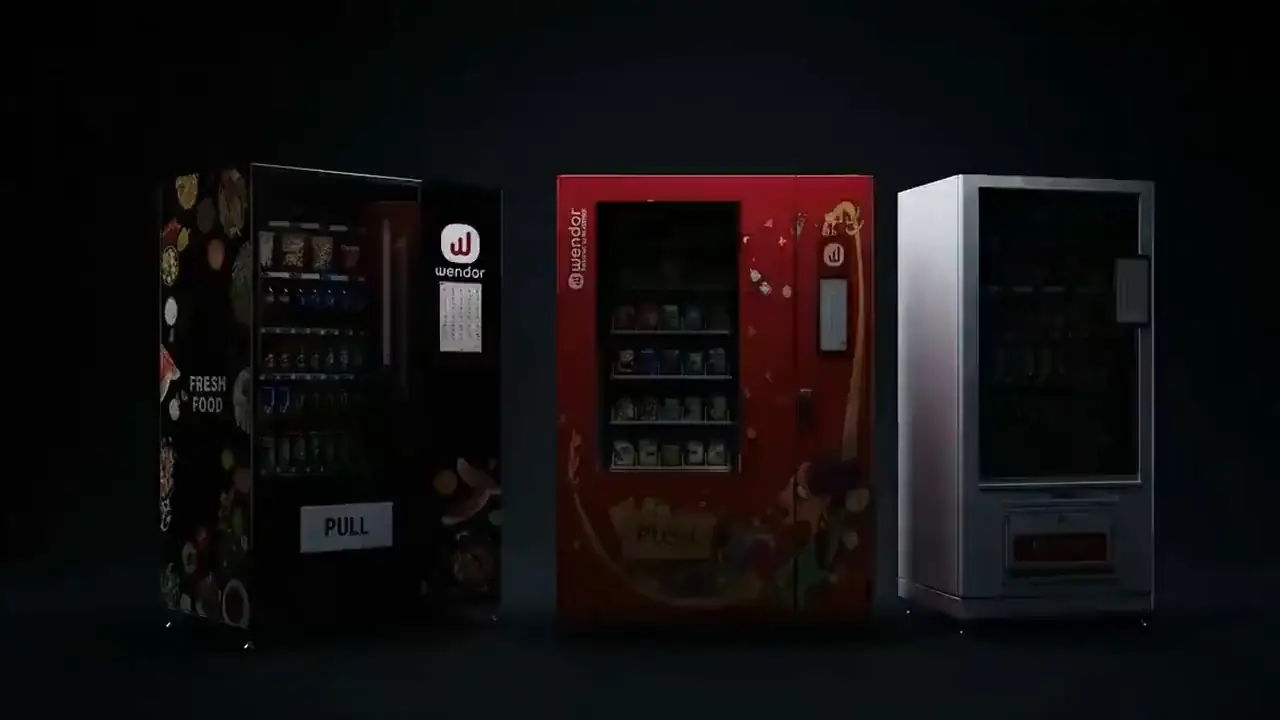
Smart Campus
Smart vending solutions built for real-world operations.
Our clients
Organisations whose sites host Wendor machines










Campus challenge
Why campuses are switching to smart vending.
Traditional food service can be slow, expensive and hard to scale. Smart vending gives schools and universities a faster, cleaner and more controllable option.
Traditional campus cafeteria
- Long queues eat into short breaks between classes.
- Limited opening hours leave evening and weekend demand unserved.
- Staffing and running costs add management overhead.
Wendor smart vending layer
- Instant self-service with little or no queueing.
- 24/7 access that supports student life beyond cafeteria hours.
- Lean operations with clear data and dependable revenue.
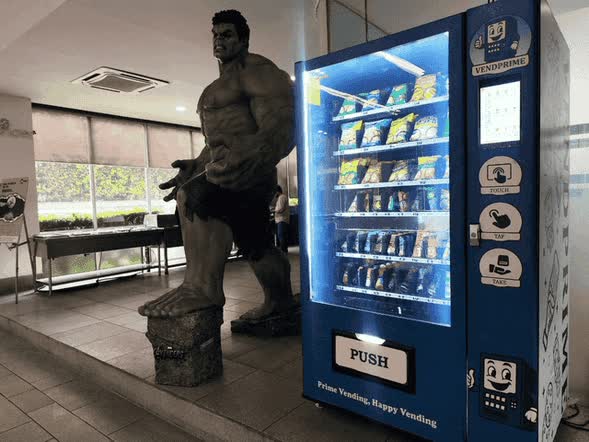
Business outcomes
Why campuses choose Wendor.
Wendor helps campuses improve convenience, keep service quality high and run food retail with better consistency and control.
-
A revenue stream that runs itself
Machines capture demand that already exists on campus, from early lectures to late study sessions, and the income can support student programmes.
-
A modern campus hub
Self-service retail upgrades the student experience without the upkeep of a staffed outlet.
- 24/7 access during late-night study and exam weeks.
- Minimal upkeep compared with a cafeteria counter.
-
Instant access, zero friction
Easy access to snacks and drinks keeps students focused and improves day-to-day campus life.
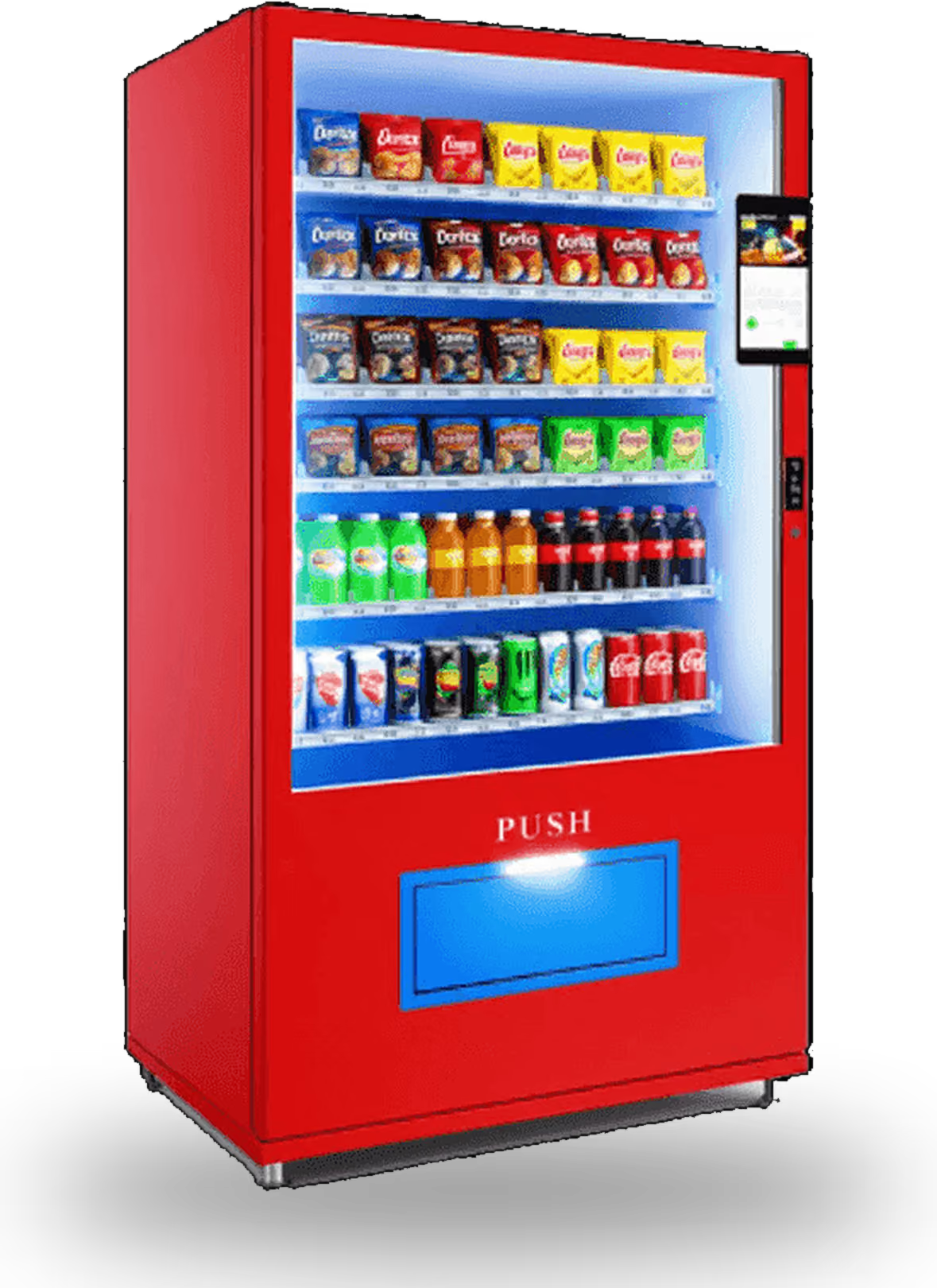
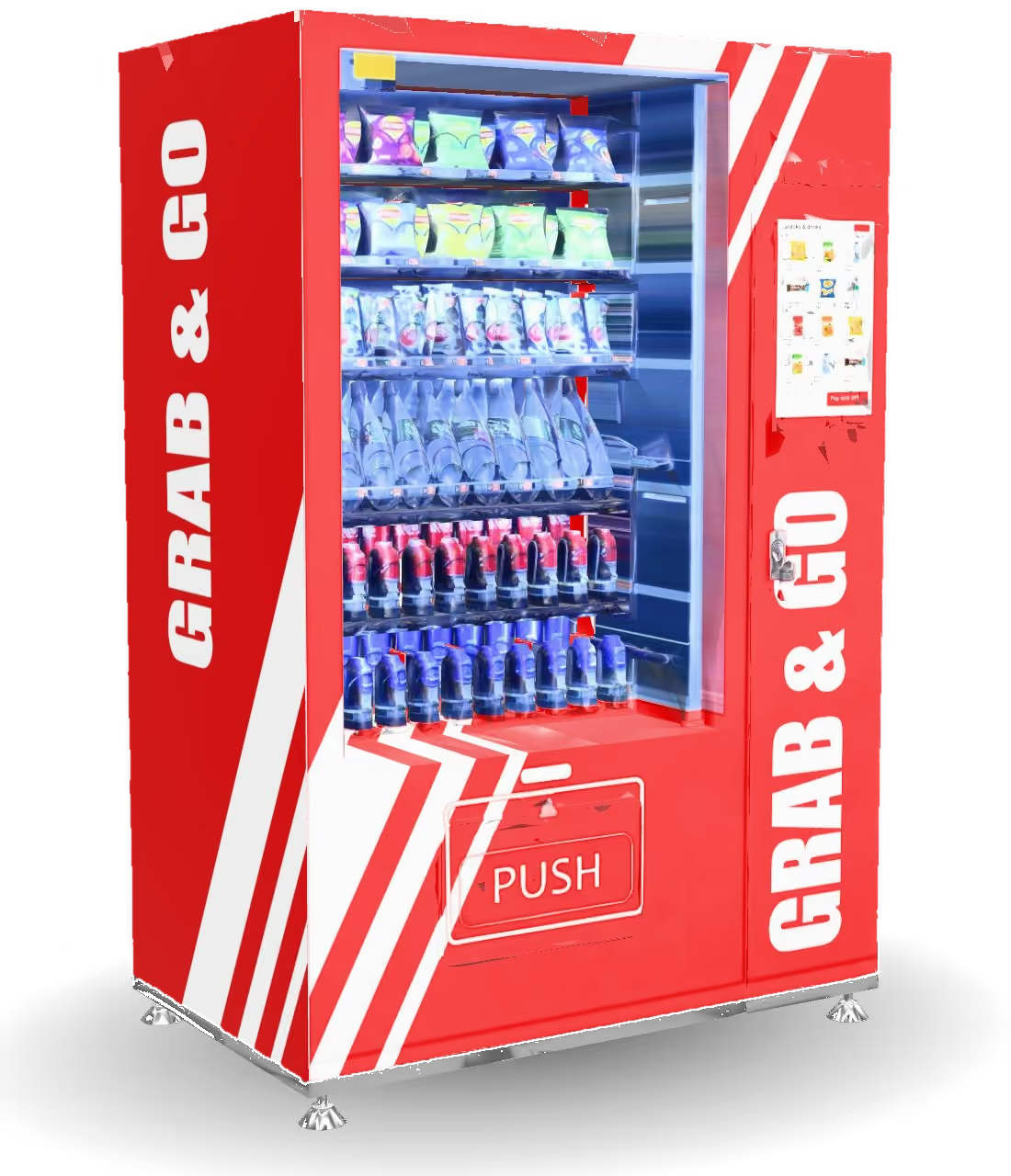
Smart capabilities
Features for better campus operations.
-
Cashless payments
Cards, mobile wallets and QR codes.
-
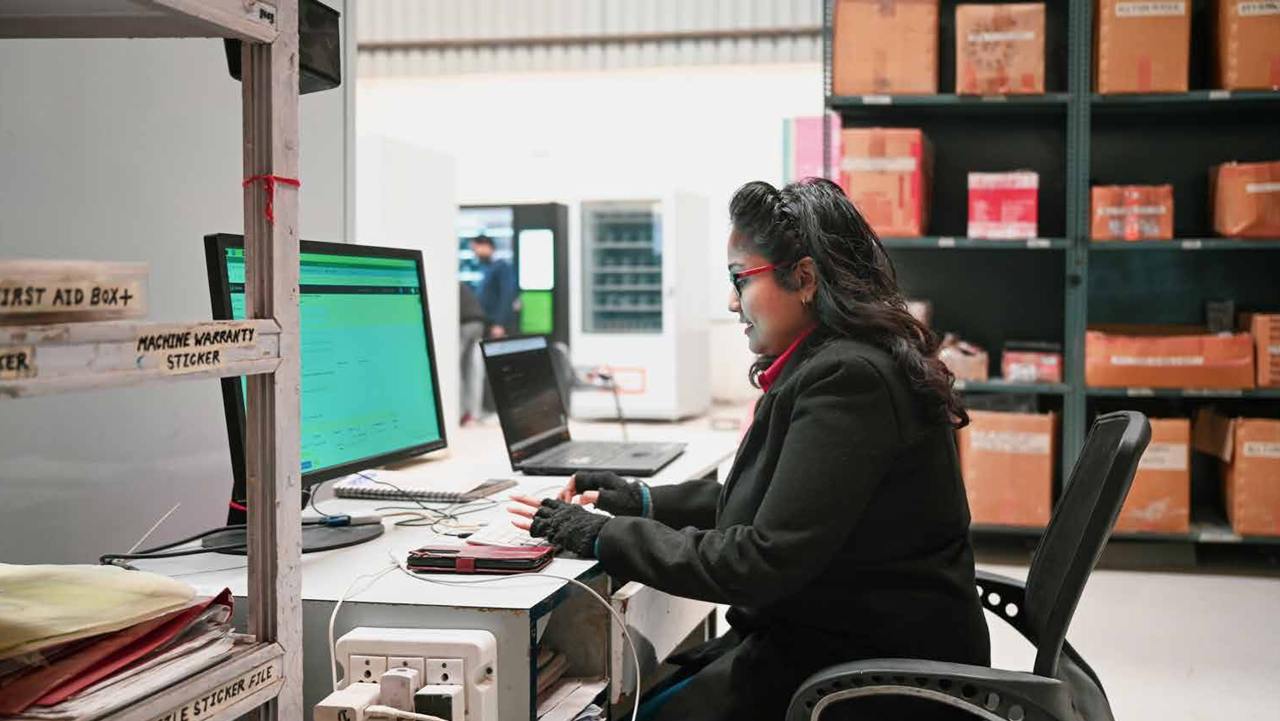
Live inventory tracking
Always stocked, rarely sold out.
-
.B9NxL8Yx.jpeg)
Smart recommendations
Promote the products students buy most.
-
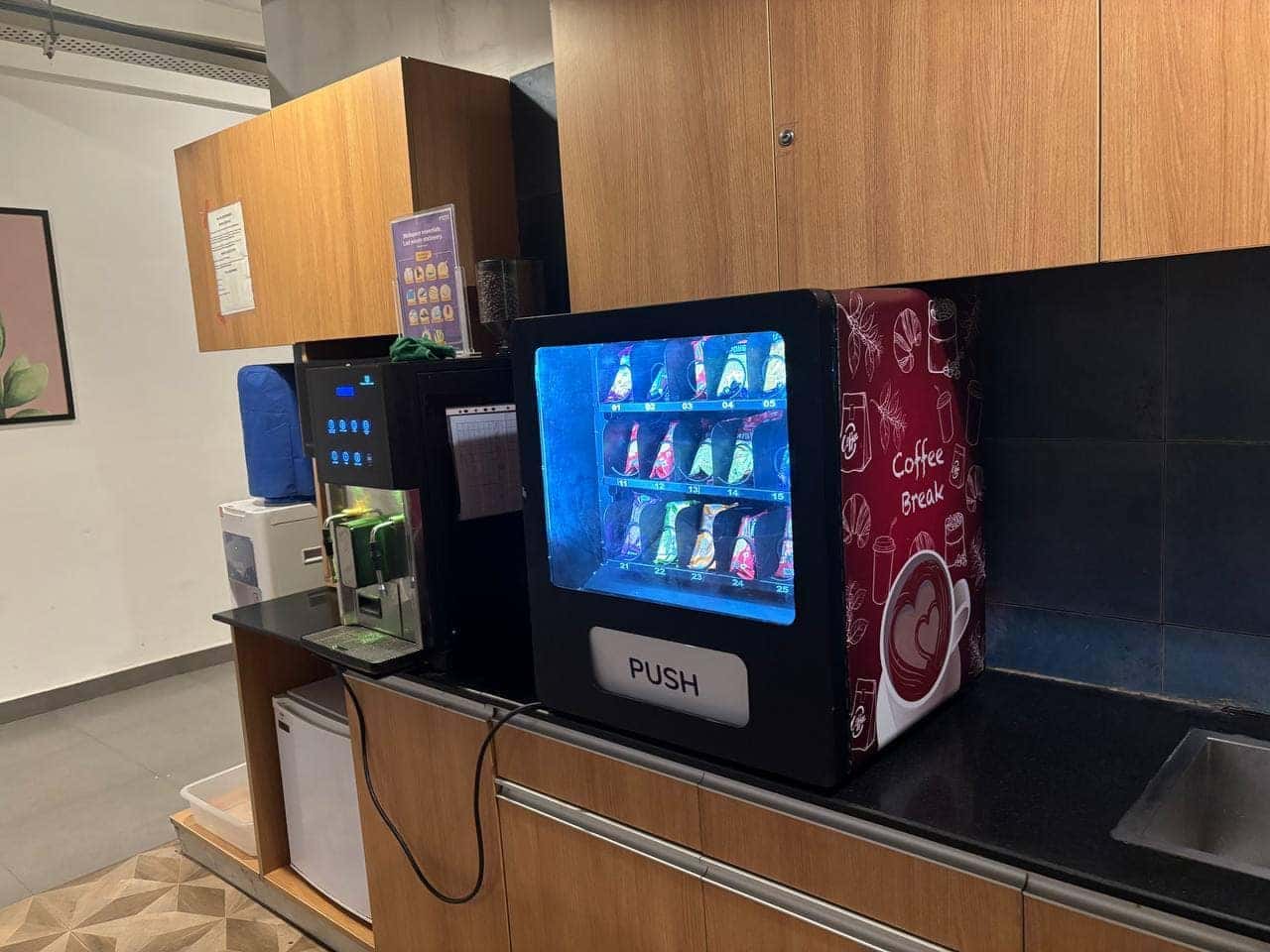
Energy-efficient machines
Lower electricity costs.
Campus deployments
Campus vending in action.
Real campus deployments showing faster service and student-first retail access.
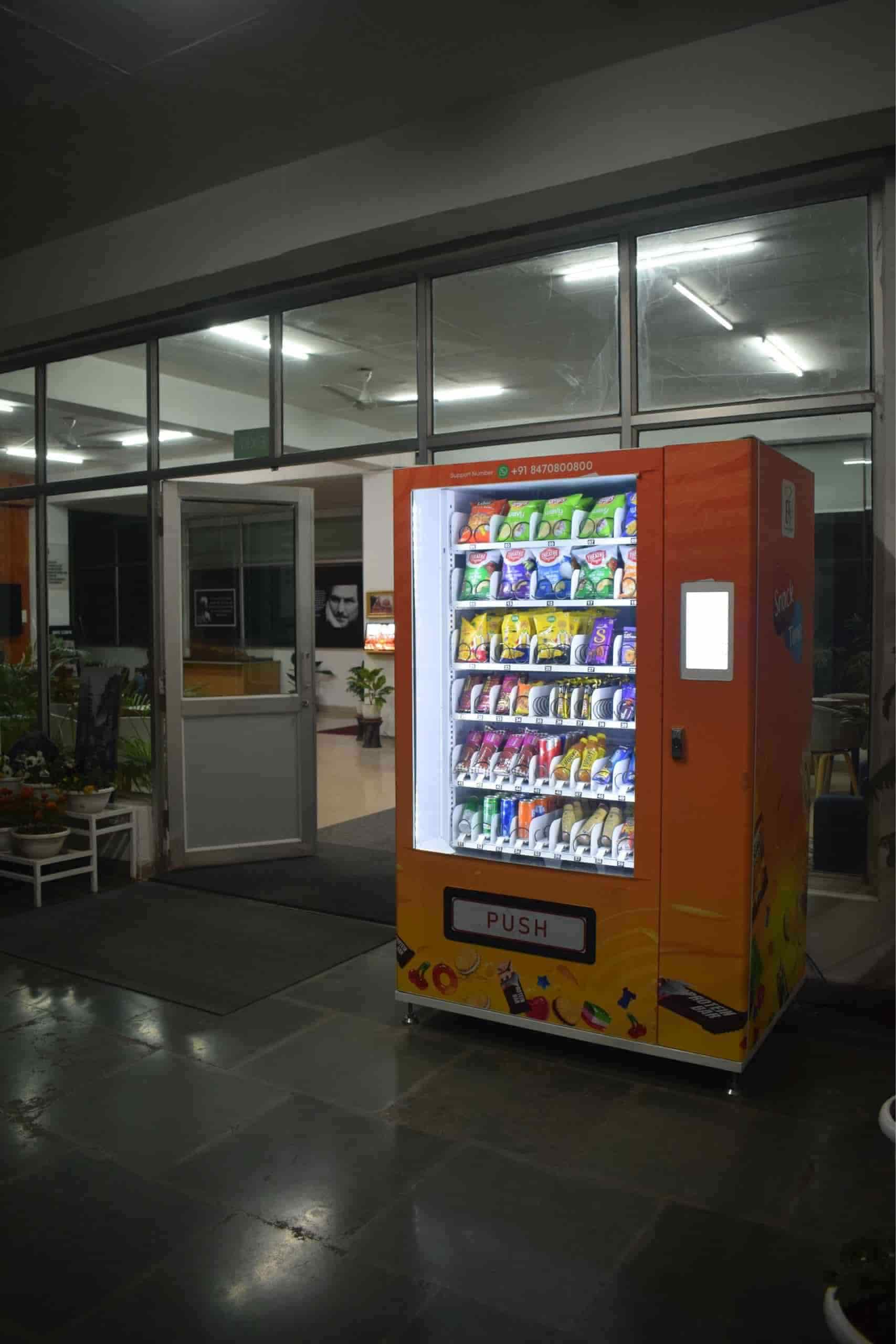
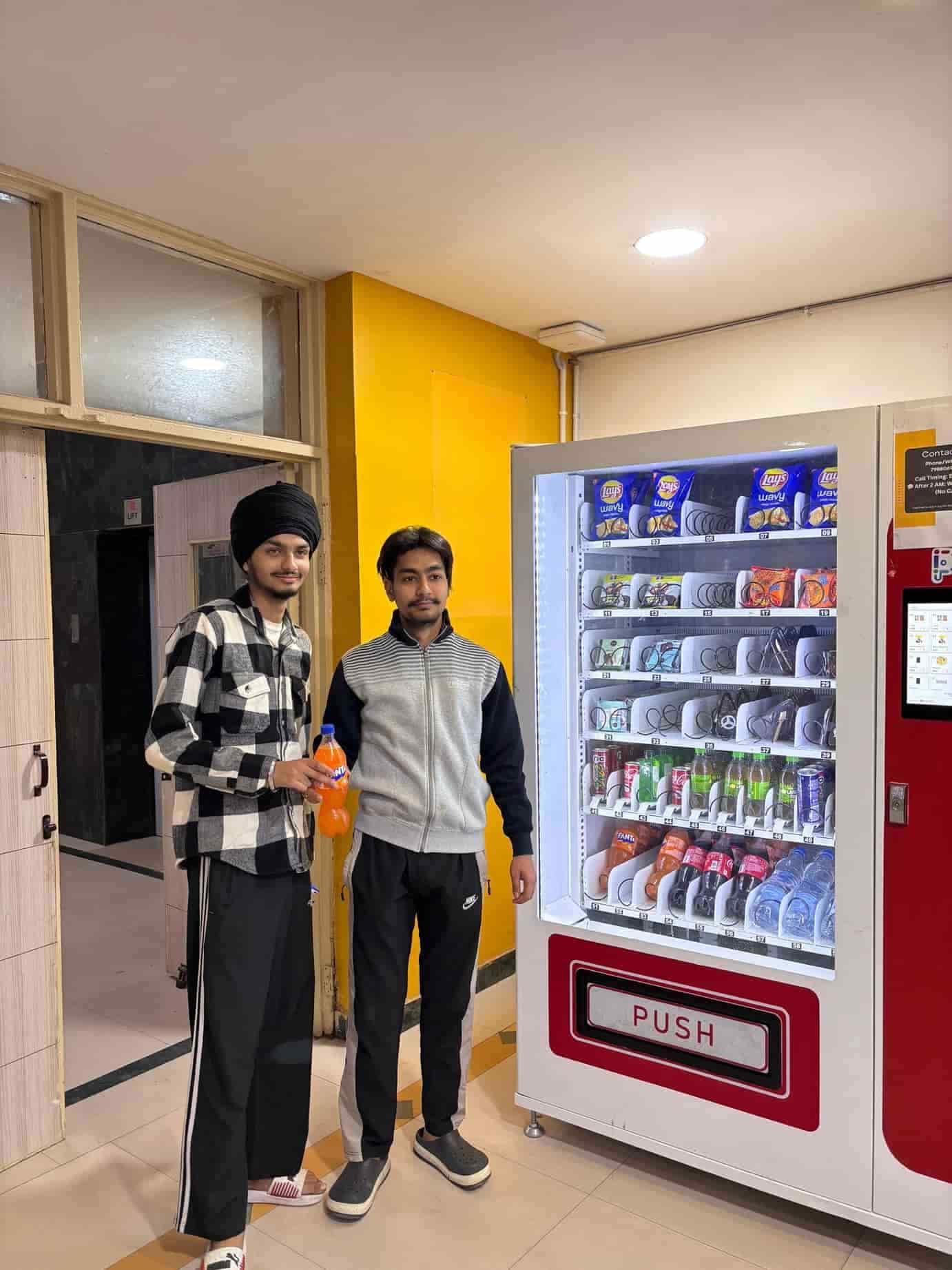
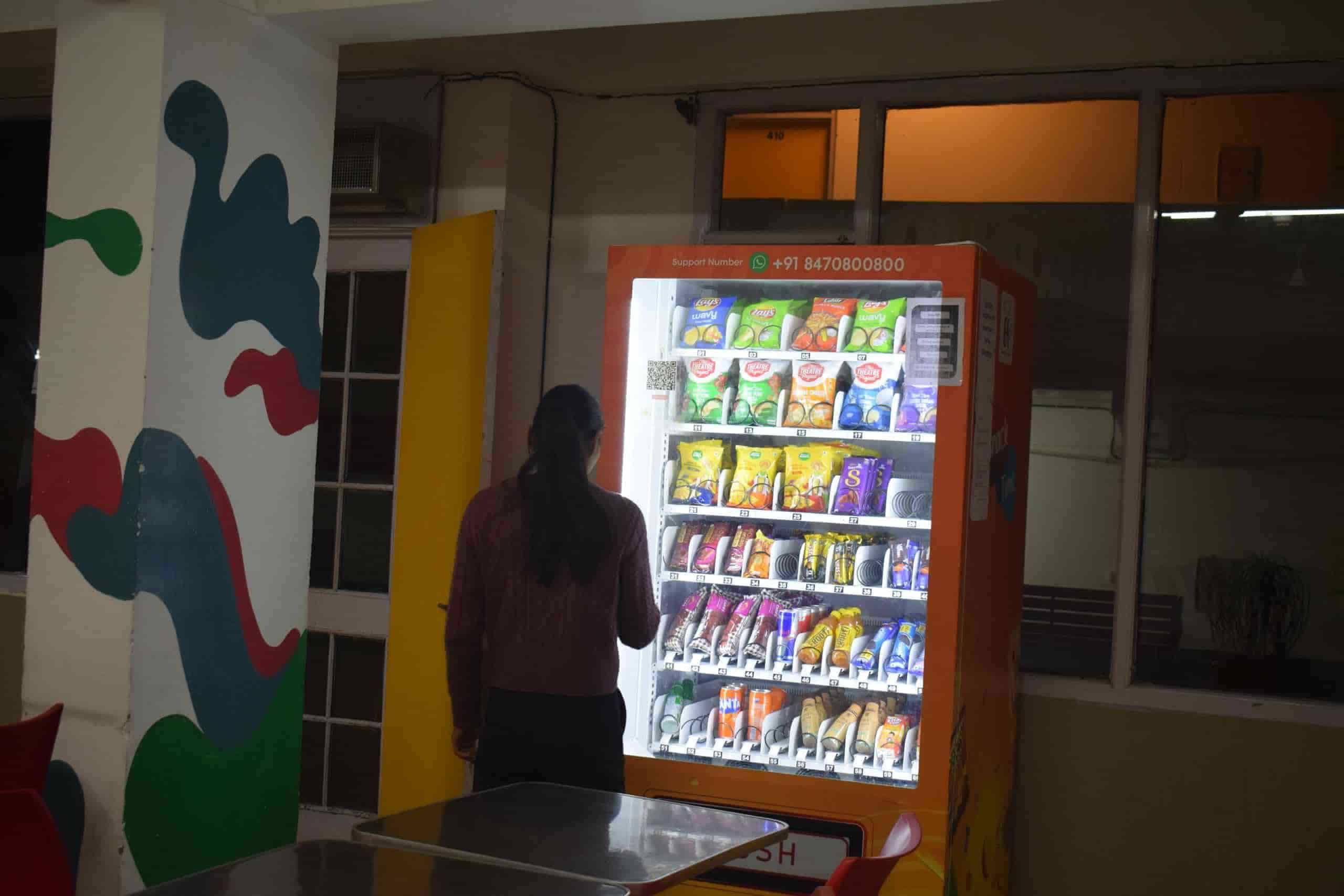
Give students and staff 24/7 access to trusted snacks and drinks while your institution gains control and cleaner operations.
Vending in Qatar
Running vending machines in Qatar
Qatar is a small, high-income, card-first market. Payments run through the national NAPS network and international cards, and food sales follow Ministry of Public Health rules. There is currently no VAT.
How people pay in Qatar
Contactless card and phone payments are the norm in Doha.
- NAPS
- The national debit network.
- Visa and Mastercard
- Tap-to-pay credit and debit cards.
- Apple Pay and Google Pay
- Common with residents and visitors.
Licences and rules
- Commercial registration
- Register with the Ministry of Commerce and Industry with a suitable activity.
- Food safety
- The Ministry of Public Health regulates food safety, labelling and imports.
- Municipal permits
- Placements and signage may need municipality approval.
- Tax
- Qatar has not introduced VAT.
Pricing and tax
Qatari projects are budgeted in QAR by machine class, payment integration and deployment scope.
- Landed cost includes freight and customs duty; no VAT is added.
- Premium sites often choose branded, white-label machines.
- Arabic and English on-screen text is recommended.
On the ground
- Power
- 240 V, 50 Hz with UK-style plugs.
- Heat
- Keep chilled machines indoors or in shaded, ventilated areas.
- Sales and support from Dubai
- Gulf projects are handled by our Dubai sales team (WhatsApp +971 52 2674620). Machines report stock, sales and faults in real time, so most issues are diagnosed remotely before anyone is sent to site.
Where first machines usually go
- Offices and towersWest Bay and Lusail business districts.
- HospitalsStaff and visitors.
- Metro stationsDoha Metro commuters.
- Universities and Education CityStudents and staff.
This is a planning guide, not legal or tax advice. Rules and rates change, so confirm current requirements with the authority named before you launch. Which payment methods a machine accepts depends on the payment terminal and gateway chosen for your sites.
FAQ
Vending machines for schools and universities: common questions
Quick answers on fit, operations and campus-ready vending.
