Wendor Swift Wallet
Swift Wallet is Wendor’s closed-loop payment layer for fast, repeatable vending journeys across campus, office, micro-market, and loyalty-heavy deployments.
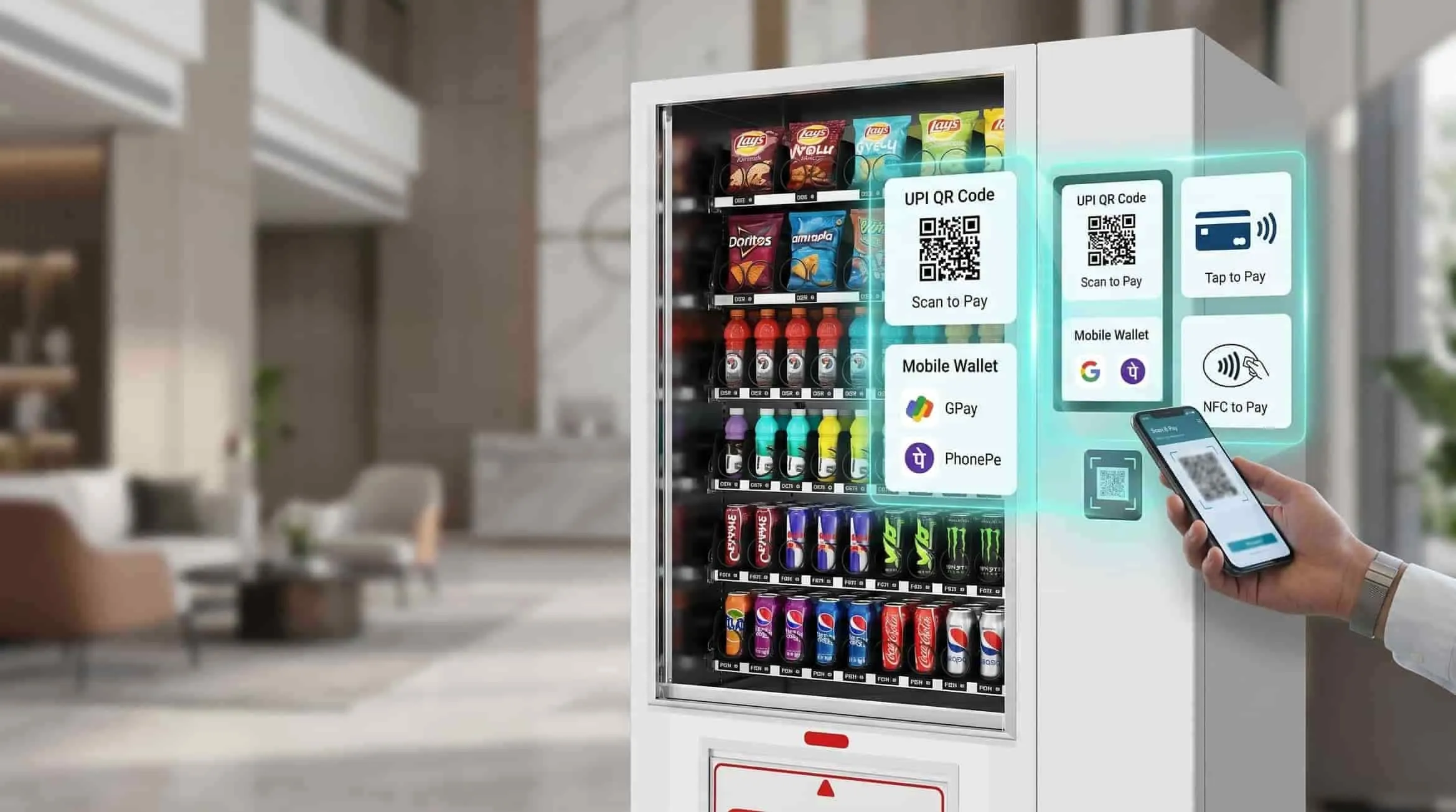

- Experience
- tap, pay, vend
- Supports
- RFID, stored balance, loyalty
- Best for
- repeat-use environments
In practice
Built for fast repeat purchases
A stored-value wallet is faster than one-off external payments and keeps customers coming back, especially where they buy often.
-
Closed-loop speed
Stored value and direct wallet flows reduce friction compared with repeatedly entering external payment details.
-
Repeat behavior
A wallet creates reasons to come back through balance top-ups, embedded habits, and loyalty structures.
-
Controlled environment fit
Swift Wallet works especially well in campuses, offices, and trusted access environments.
Capabilities
Wallet capabilities
The wallet connects payments, customer accounts, repeat purchases and machine-side checkout in one layer.
-
App-linked experience
Users can see balances and purchase context through the broader CX environment.
-
Faster checkout
Tap-based behavior reduces the mental and time cost of repeat transactions.
-
Retention signal
Wallet use patterns can support better understanding of repeat customers and demand behavior.
-
Machine compatibility
The wallet works alongside kiosk, QR, and broader payment orchestration in the stack.
Workflow
What the wallet changes
The wallet lifts repeat purchases and speeds up checkout, not just another payment option.
-
Add balance
Users top up through the configured paths for the deployment, building repeat purchasing power into the system.
-
Tap to pay
RFID or linked identity options reduce transaction time at the point of purchase.
-
Recover and re-engage
Refunds, credits, and balance visibility keep customers inside the ecosystem even when issues occur.
What buyers get
Why it matters for operators
-
A complete wallet product with top-ups, balances and rewards.
-
Loyalty and payments in one place, tied to the shopper experience.
-
Best suited to offices, campuses and other repeat-use sites.
Next step
Where this fits in the software stack
Other linked modules
FAQ
Questions about Swift Wallet
Everything you need to know about the Wendor Swift closed-loop payment system.
What exactly is a closed-loop wallet?
A closed-loop wallet is a payment environment built for a specific vending or program ecosystem.
Wendor CX Platform
- Faster repeat-use transactions than one-off external flows
- Better fit for retained user groups like offices or campuses
Can users recharge with cash?
Yes, recharge behavior depends on how the deployment is configured.
Wendor CX Platform
- Top-up flows can be adapted to the machine and payment setup
- The key point is preserving a smooth stored-value experience
Does it support RFID cards?
Yes, RFID is one of the strongest use cases for Wendor Swift Wallet.
Wendor CX Platform
- Great fit for repeat-use environments
- Helps reduce transaction friction at the machine
Can it support biometric or identity-linked payments?
Yes, identity-linked payment behavior can be configured where the deployment model supports it.
Wendor CX Platform
- Works best in trusted or controlled access environments
- Usually part of a broader closed-loop experience strategy
Can automatic recharges be offered?
Yes, repeat-use balance management can be part of the Swift Wallet strategy.
Wendor CX Platform
- Useful when customers buy frequently in the same ecosystem
- Helps reduce payment interruption and repeat purchase friction
Confirm the scope before your software pilot
Hardware and data
Bring your machine and payment-provider list, existing exports and required workflows. Confirm connector availability, data migration and functions to test.
Access and responsibilities
Agree user roles, data ownership, export access and who handles stocking, refunds and service. Review security and privacy requirements with the team.
Commercial and support terms
Request a proposal separating software, integration and hardware charges. Confirm onboarding, support availability and pilot acceptance criteria in writing.
