
Healthcare and Clinics
Smart vending solutions built for real-world operations.
Our clients
Organisations whose sites host Wendor machines









Healthcare challenge
Why healthcare facilities are switching to smart vending.
In care environments, convenience must be fast, controlled and dependable. Smart vending gives access without adding service chaos.
Traditional hospital retail
- Limited opening hours leave night shifts and visitors without options.
- Staffed counters add cost and create queues in sensitive areas.
- Little visibility on stock makes refills reactive instead of planned.
Wendor healthcare layer
- 24/7 access for visitors, families and shift teams.
- Cashless checkout by card, wallet or QR.
- A controlled product range for care environments.
- Service and stock visibility to avoid surprises.
Operational outcomes
Better access without adding service chaos
Healthcare teams judge vending as an operations decision, not just a convenience add-on. Wendor keeps it disciplined, visible and reliable.
-
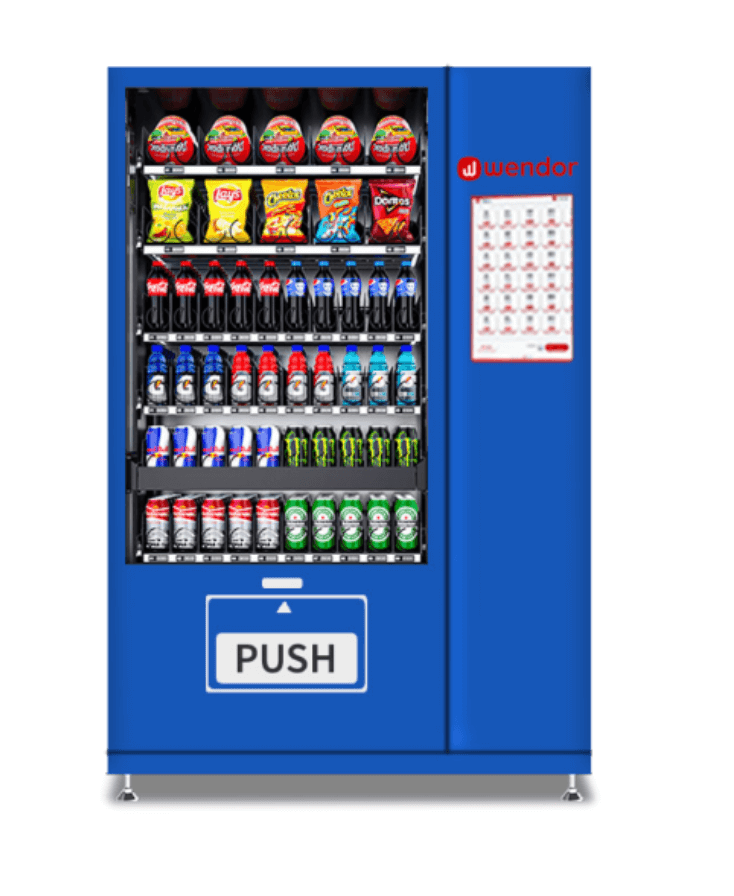
A healthcare-appropriate range
Water, snacks, drinks and approved essentials in a disciplined format for patient-facing areas.
-
Cashless in high-stress moments
Quick checkout matters when people are waiting, changing shifts or dealing with an emergency.
- Contactless cards, wallets and QR payments.
- Less friction for visitors and staff under time pressure.
-
Predictable refills
Live data shows stock gaps and service needs before they become complaints in busy corridors.
Smart capabilities
Features for healthcare vending.
-
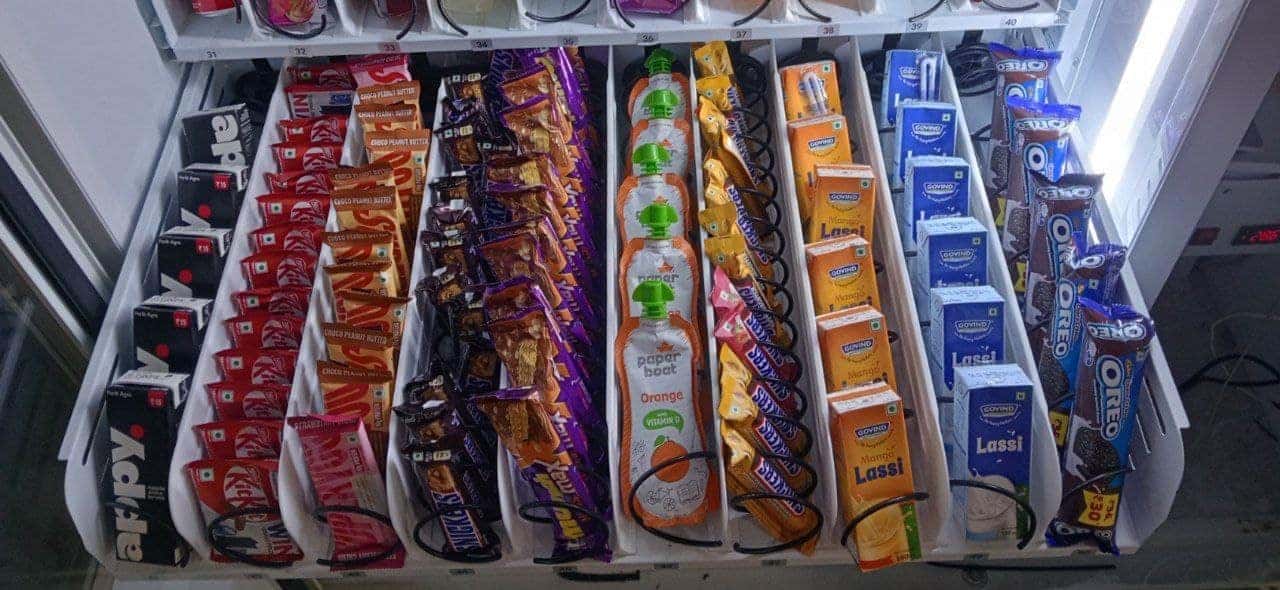
Curated range
Healthcare-friendly products for staff, patients and visitors.
-
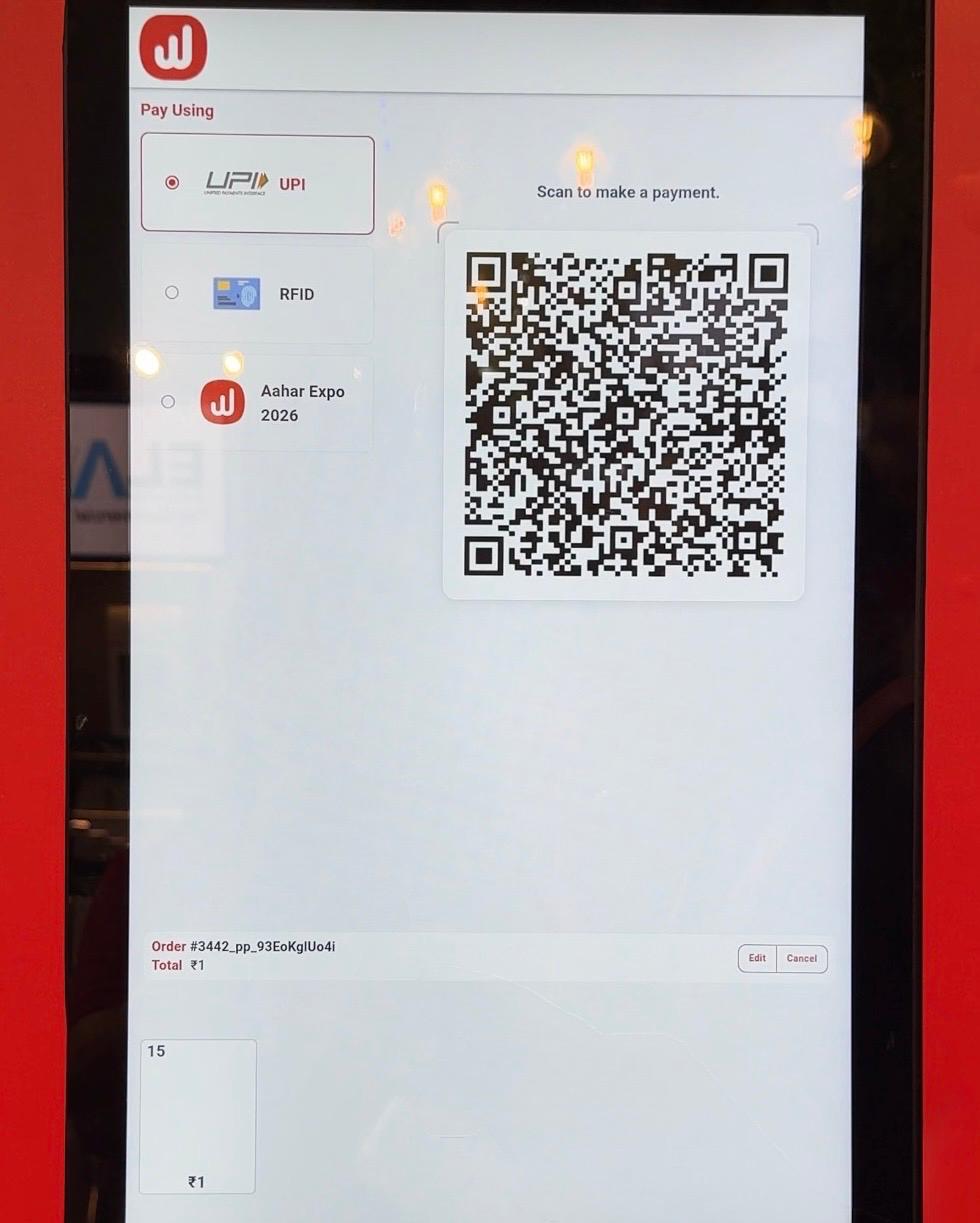
Cashless checkout
Quick digital payment in high-footfall care areas.
-
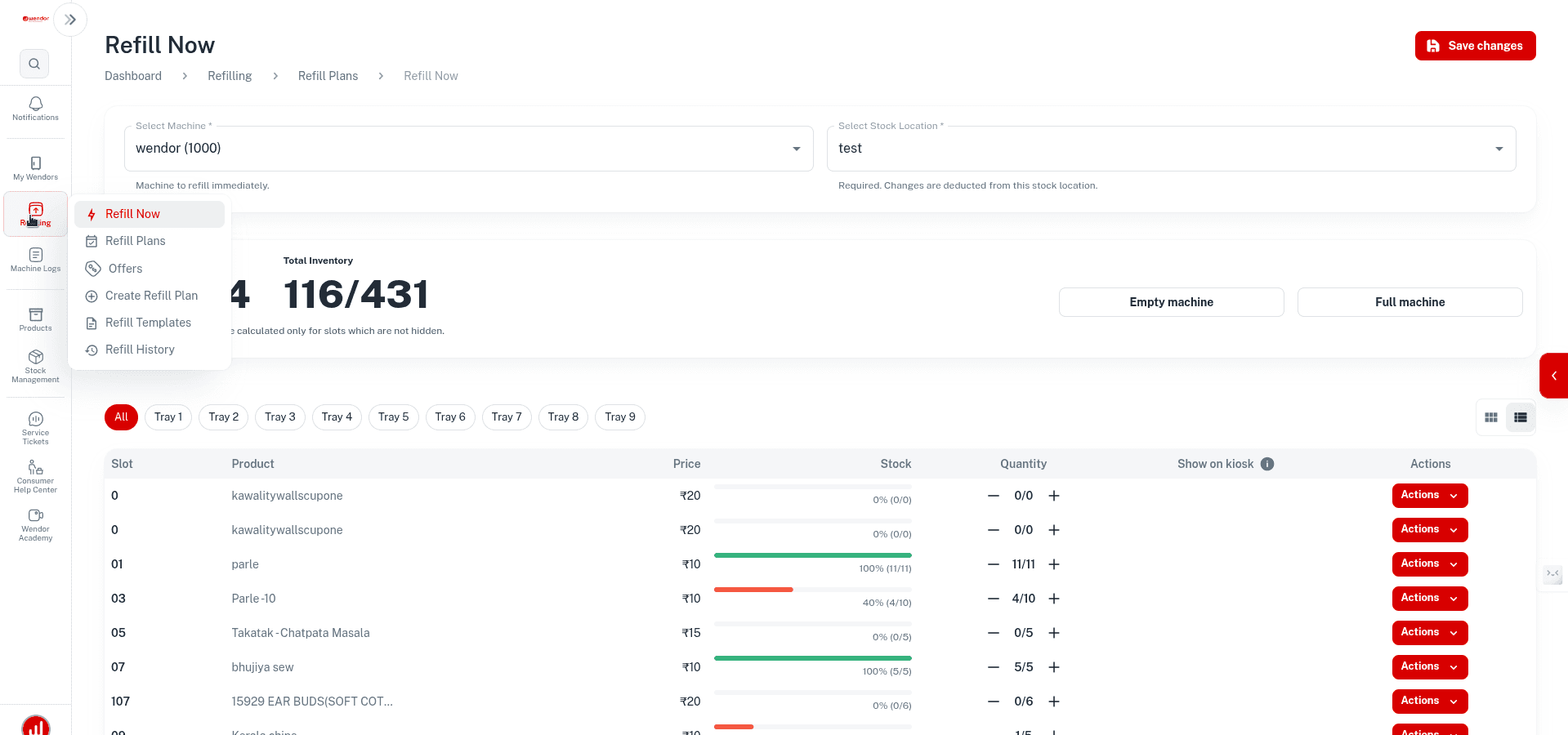
Live visibility
Track demand and refill needs from one dashboard.
-
.DXysdhIU.jpeg)
Facility-first presence
Machines and placement that suit calm patient areas.
Healthcare deployments
Healthcare vending in action.
Machines in hospitals and clinics, placed for patient-friendly, reliable access.
.D7LwzD8p.jpeg)
.DG9vnsAZ.jpeg)
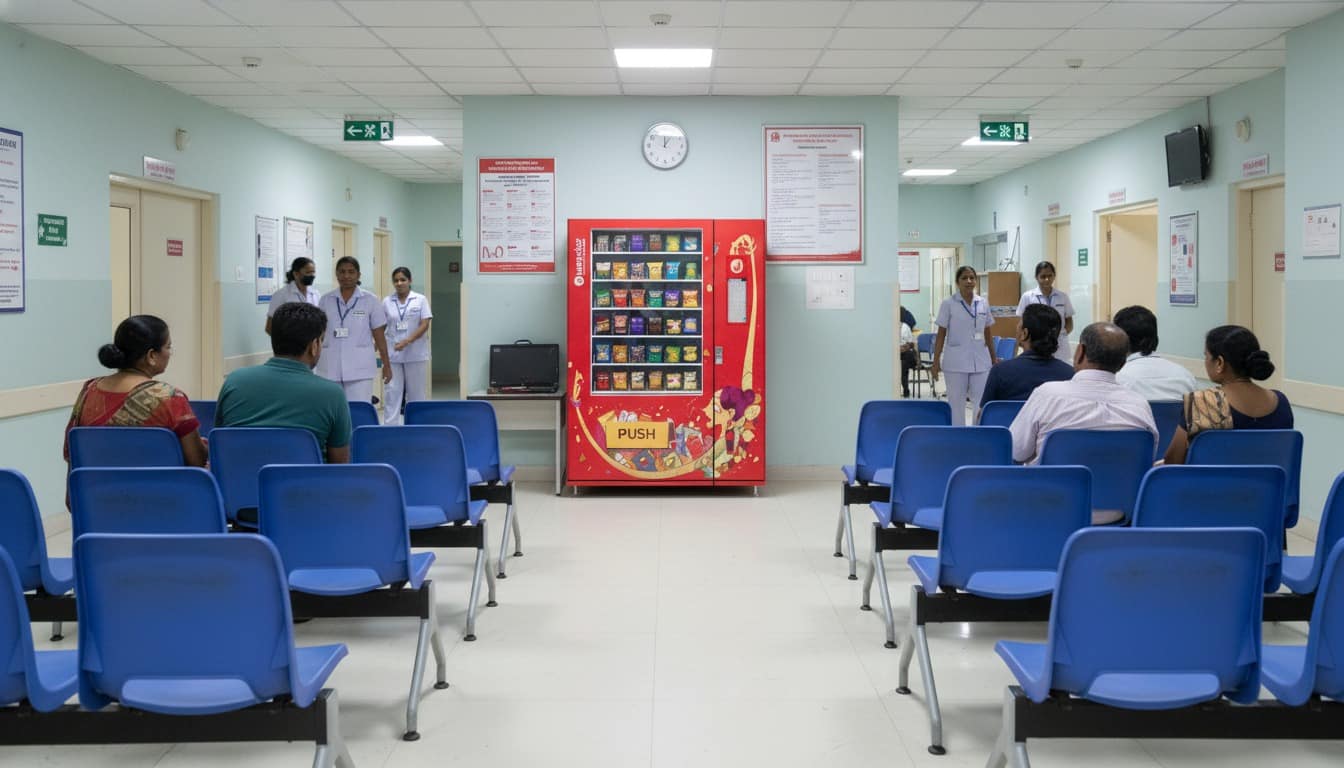
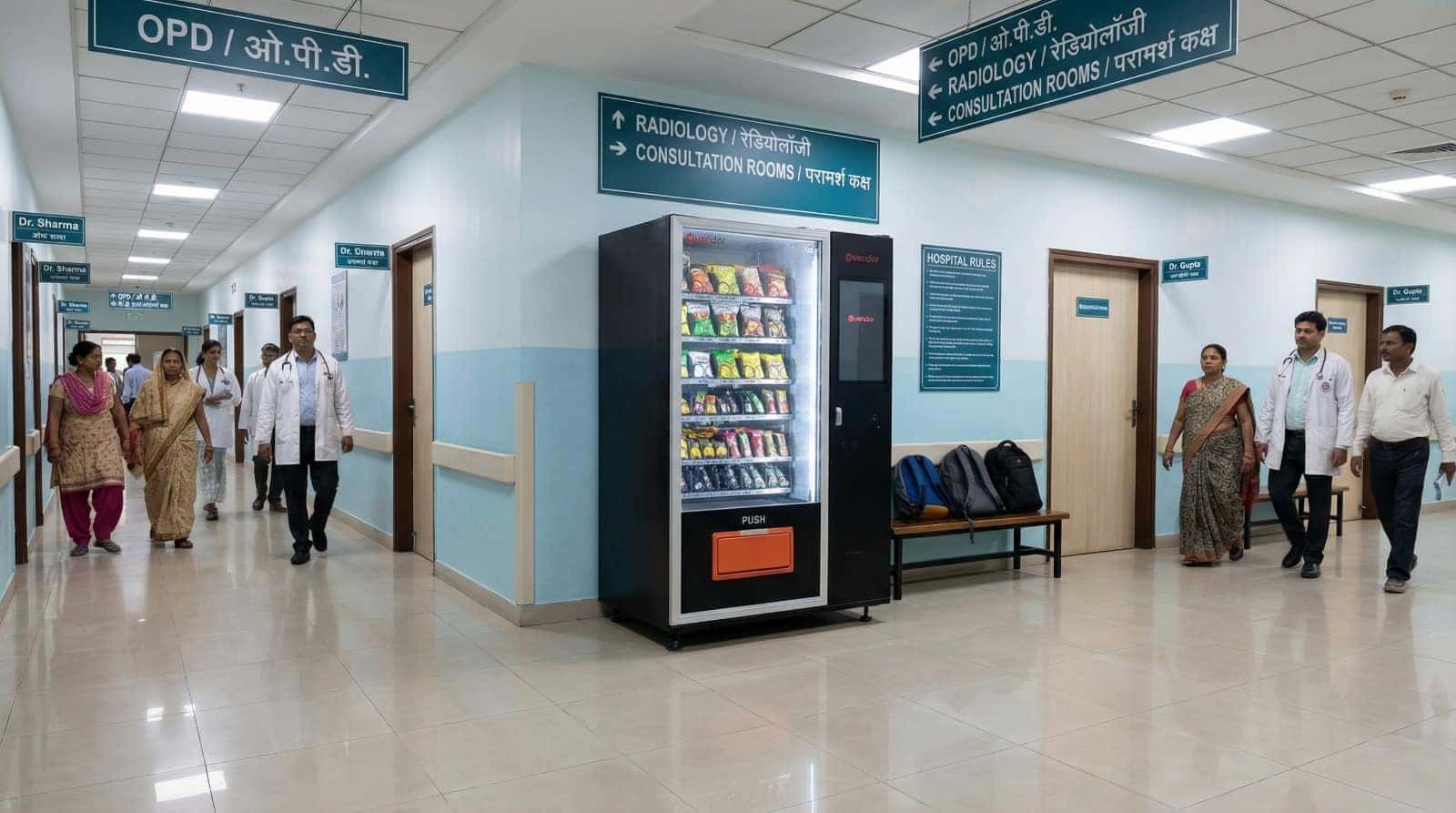
A reliable 24/7 convenience layer for visitors, patients’ families and shift staff, with cashless access, a disciplined product range and live visibility.
Vending in United Arab Emirates
Running vending machines in the United Arab Emirates
Dubai sets the pace for vending in the UAE: machines sit in office towers, free zones, malls, clinics and metro-linked sites where shoppers expect to tap a phone and go. Operators also have to pick the right licence (mainland or free zone) and meet municipality food-safety rules in each emirate, from Dubai to Abu Dhabi, Sharjah and Ajman.
How people pay in the United Arab Emirates
Cash is now the exception in UAE retail. Contactless cards and phone wallets are the default, and QR payments are growing.
- Apple Pay, Google Pay, Samsung Pay
- The most common way to pay at a machine in Dubai and Abu Dhabi.
- Visa, Mastercard and local debit
- Tap-to-pay cards from UAE banks.
- QR payments
- Useful for visitors and for campaign or sampling machines.
Licences and rules
- Trade licence
- A mainland licence from the emirate’s economic department (e.g. Dubai’s Department of Economy and Tourism) or a free-zone licence with a vending or trading activity. Annual licensing is often planned around AED 10,000–15,000.
- Municipality food safety
- Food and drink vending needs approval from the relevant municipality (Dubai Municipality, Abu Dhabi Agriculture and Food Safety Authority, and so on), including product and placement rules.
- VAT
- Standard VAT is 5%, registered with the Federal Tax Authority once you pass the threshold.
- Product conformity
- Electrical equipment imported into the UAE is subject to the Ministry of Industry and Advanced Technology’s conformity scheme.
Pricing and tax
UAE projects are typically planned from about AED 5,000 to AED 50,000 per machine.
- Branded and white-label machines (custom wraps, logo, colours) are a common request for UAE brand activations.
- Quotes include shipping to the UAE; import duty and 5% VAT are shown separately.
- Leasing and operator partnerships are options for multi-site rollouts.
On the ground
- Heat
- Outdoor and semi-outdoor sites see extreme summer heat, so most machines are placed indoors or in shaded, ventilated spots.
- Power and language
- 230 V, 50 Hz with UK-style plugs. Arabic and English on-screen text and labels are recommended.
- Sales and support from Dubai
- Gulf projects are handled by our Dubai sales team (WhatsApp +971 52 2674620). Machines report stock, sales and faults in real time, so most issues are diagnosed remotely before anyone is sent to site.
Where first machines usually go
- Malls and towersBrand activations and 24/7 convenience in residential and office towers.
- Clinics and hospitalsHealthy snacks and essentials outside cafeteria hours.
- Metro-linked and transit sitesFast tap-to-pay for commuters.
- Staff accommodation and industrial areasAffordable daily essentials close to workers.
This is a planning guide, not legal or tax advice. Rules and rates change, so confirm current requirements with the authority named before you launch. Which payment methods a machine accepts depends on the payment terminal and gateway chosen for your sites.
FAQ
Vending machines for hospitals: common questions
Questions hospital and clinic teams ask before a rollout.
