
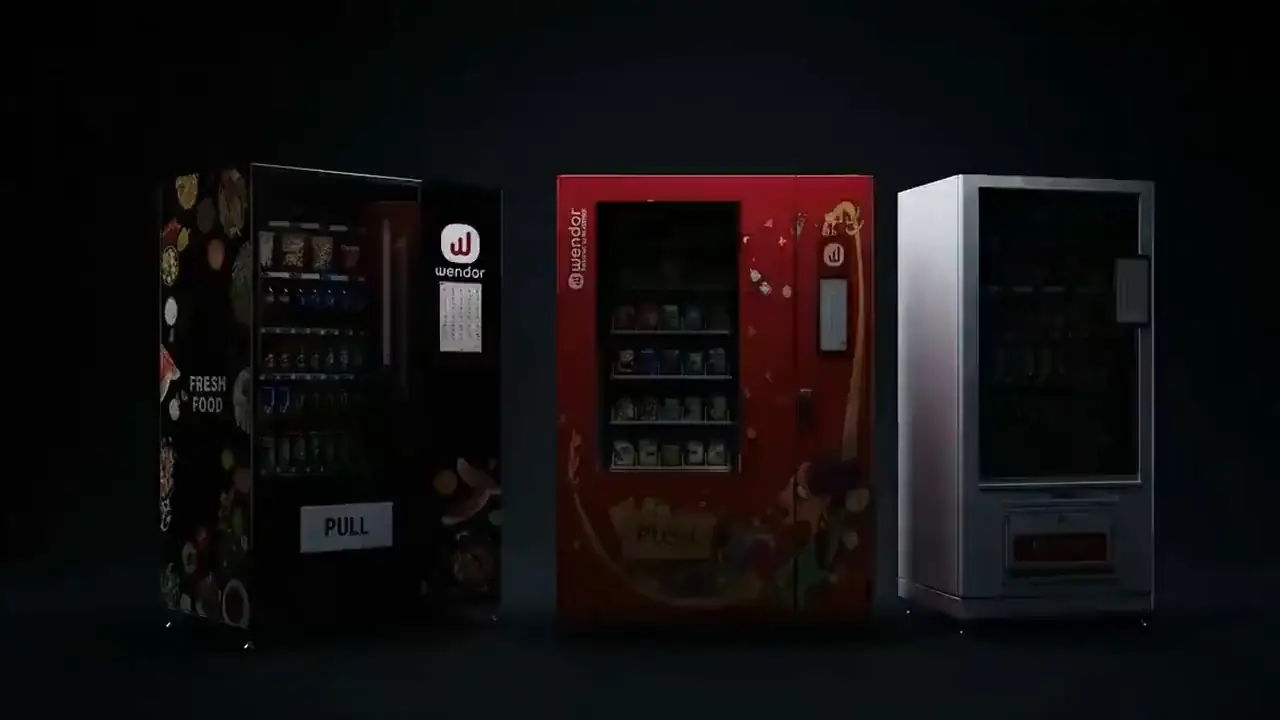
Offices and Workplaces
Smart vending solutions built for real-world operations.
Our clients
Organisations whose sites host Wendor machines










What workplace teams feel
Pantry gaps cost time and goodwill.
Staff leave the building for a drink or a snack, pantries run out mid-afternoon and facilities teams chase refills by hand. A smart machine closes those gaps.
Traditional office pantry
- Stock runs out and nobody notices until someone complains.
- Cash boxes and honesty trays are hard to reconcile.
- Late shifts and weekends have no service at all.
Wendor workplace layer
- Snacks, drinks and essentials on the floor, around the clock.
- Cashless checkout by card, wallet or QR in a few seconds.
- Live stock and sales data so refills are planned, not guessed.
Why Wendor fits offices
Built for modern workplace convenience.
Machines that look right in a lobby or breakout area, take the payments your people already use and report every sale.
-
Premium presence for workplaces
Formats that look intentional in lobbies, breakout areas, meeting floors and shared amenity spaces.
-
Cashless-first employee flow
Checkout that matches how employees already pay: fast, contactless and with no cash to handle.
- Cards, mobile wallets and QR payments on one screen.
- No petty cash or honesty boxes to reconcile.
-
Operational visibility
Sales and stock data replace pantry guesswork, so the same service rhythm works across floors and sites.
Smart capabilities
Features for workplace vending.
-
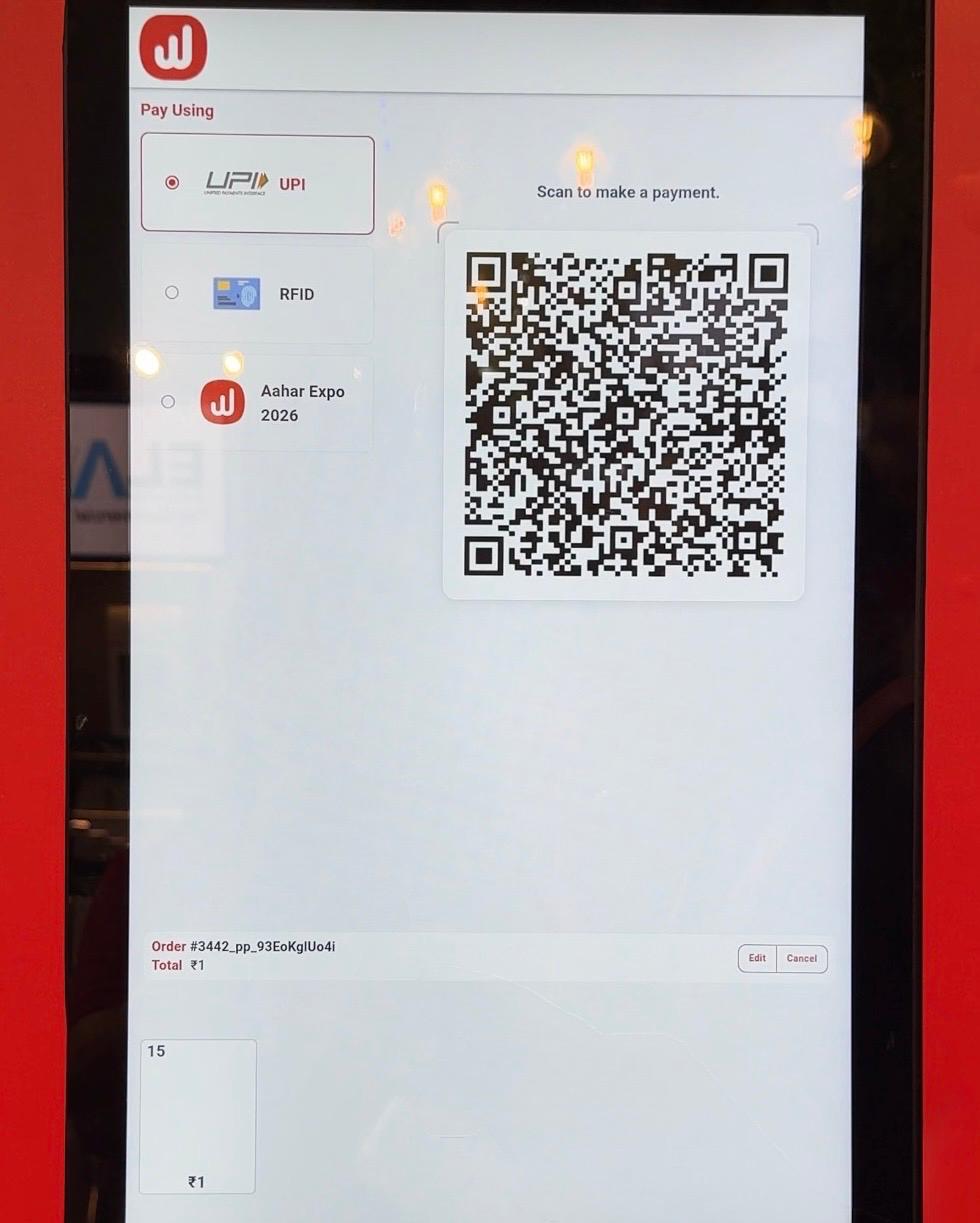
Cashless payments
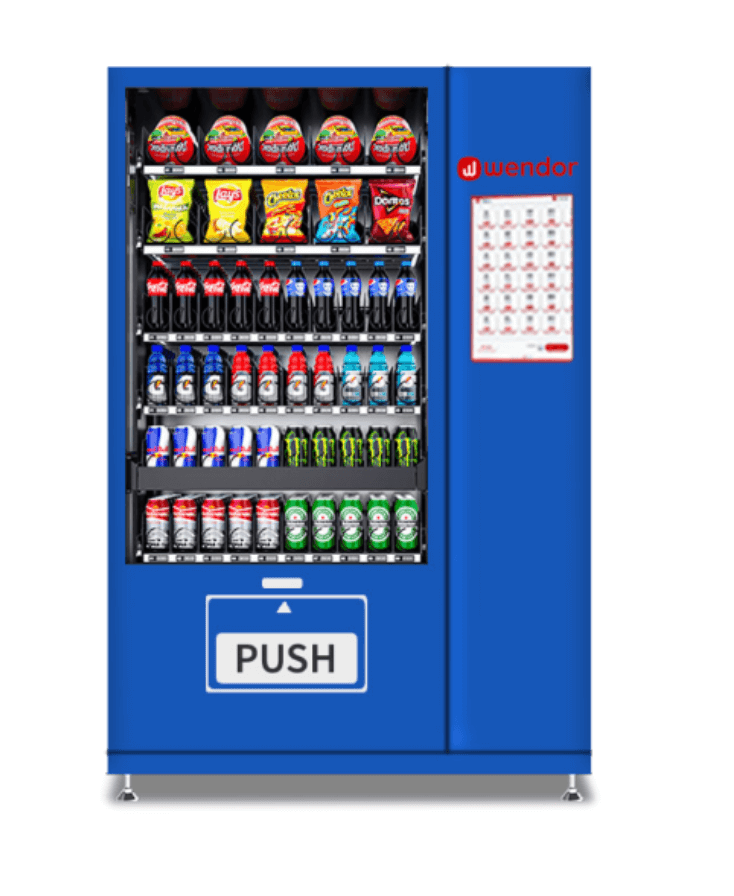
Cards, mobile wallets and QR codes for fast checkout.
-
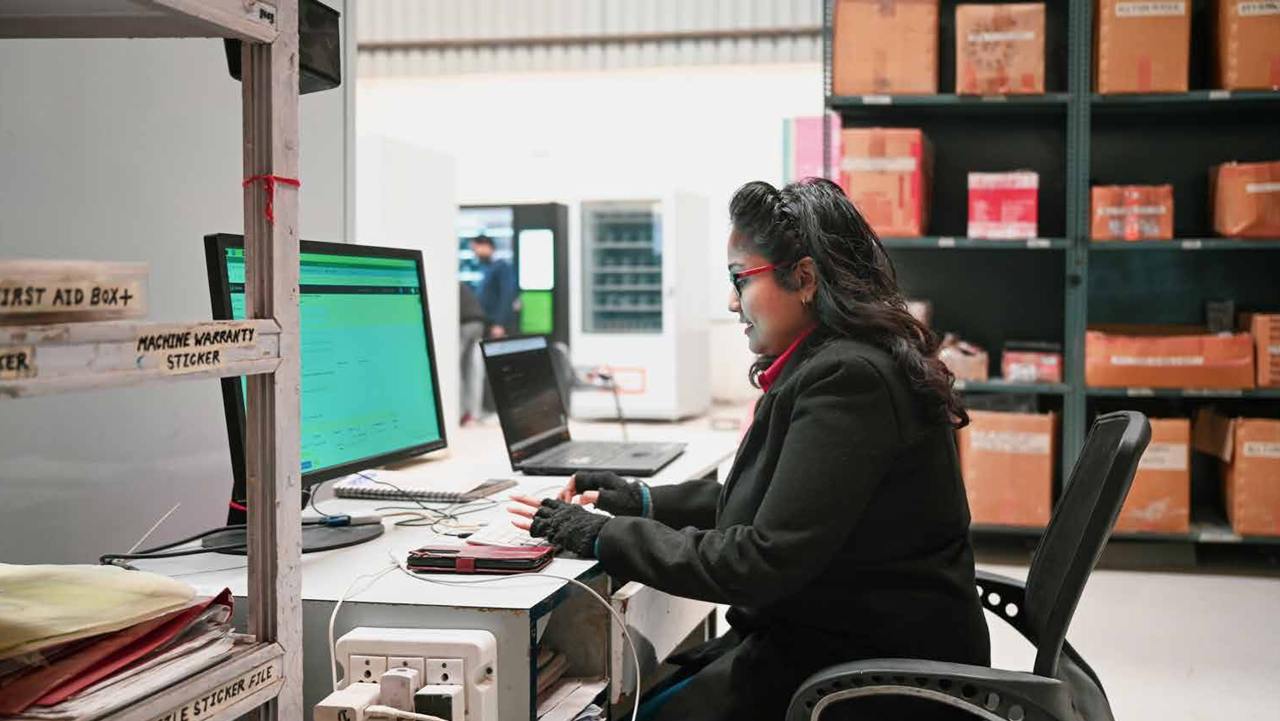
Live inventory signals
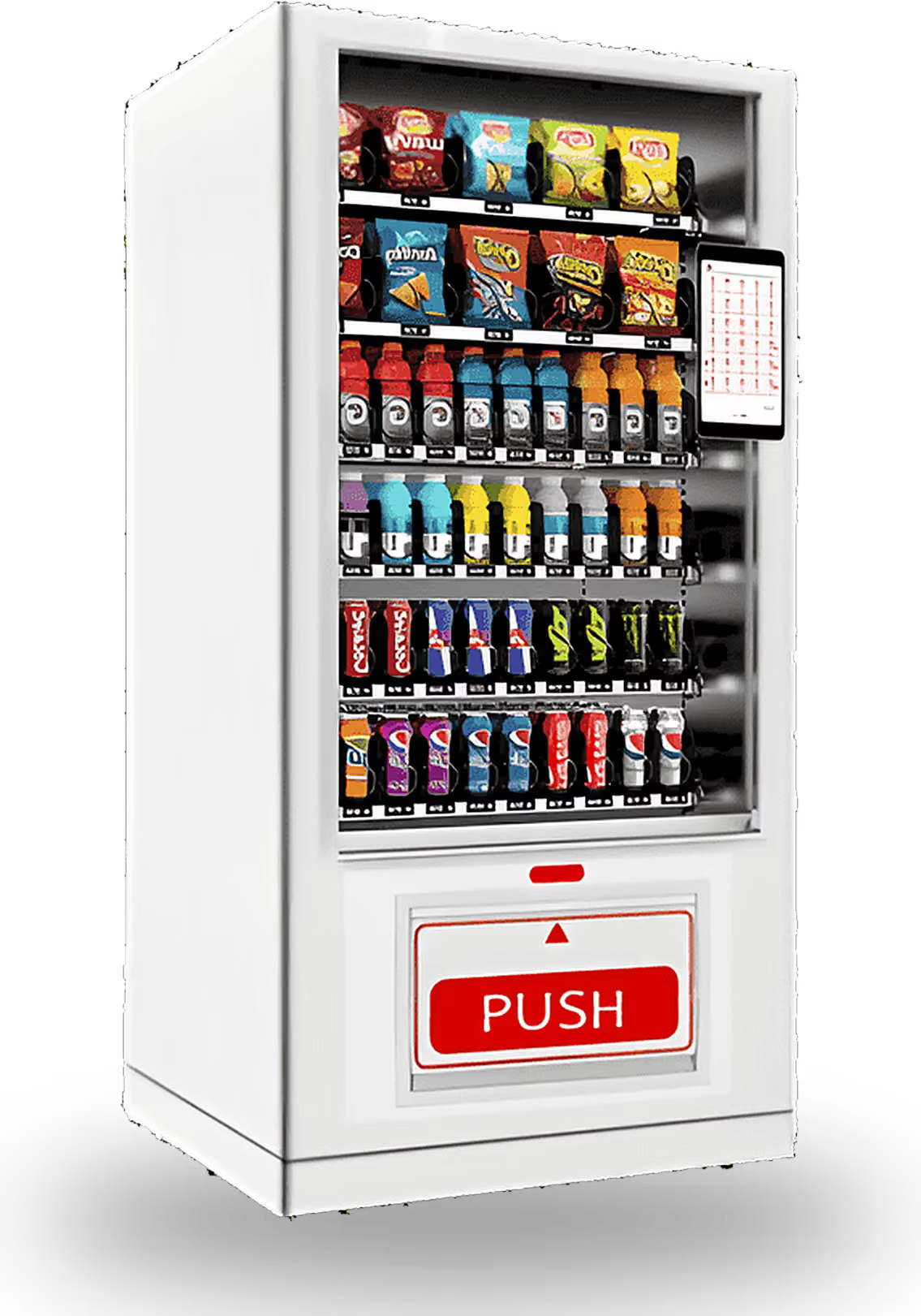
Restock with data instead of guesswork.
-
.GsGjKlBz.jpeg)
Formats for premium spaces
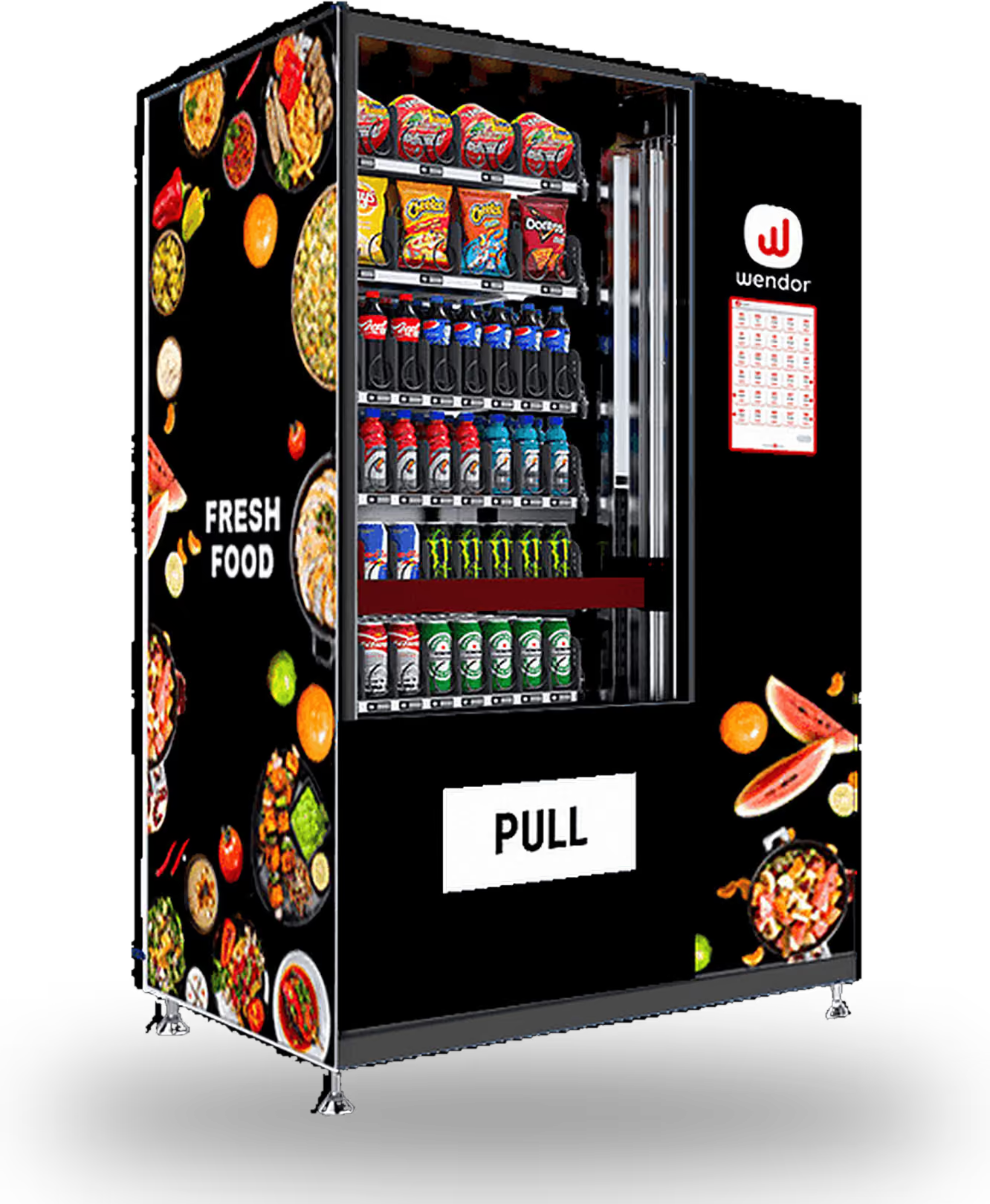
Machines that look intentional in lobbies and breakout areas.
-
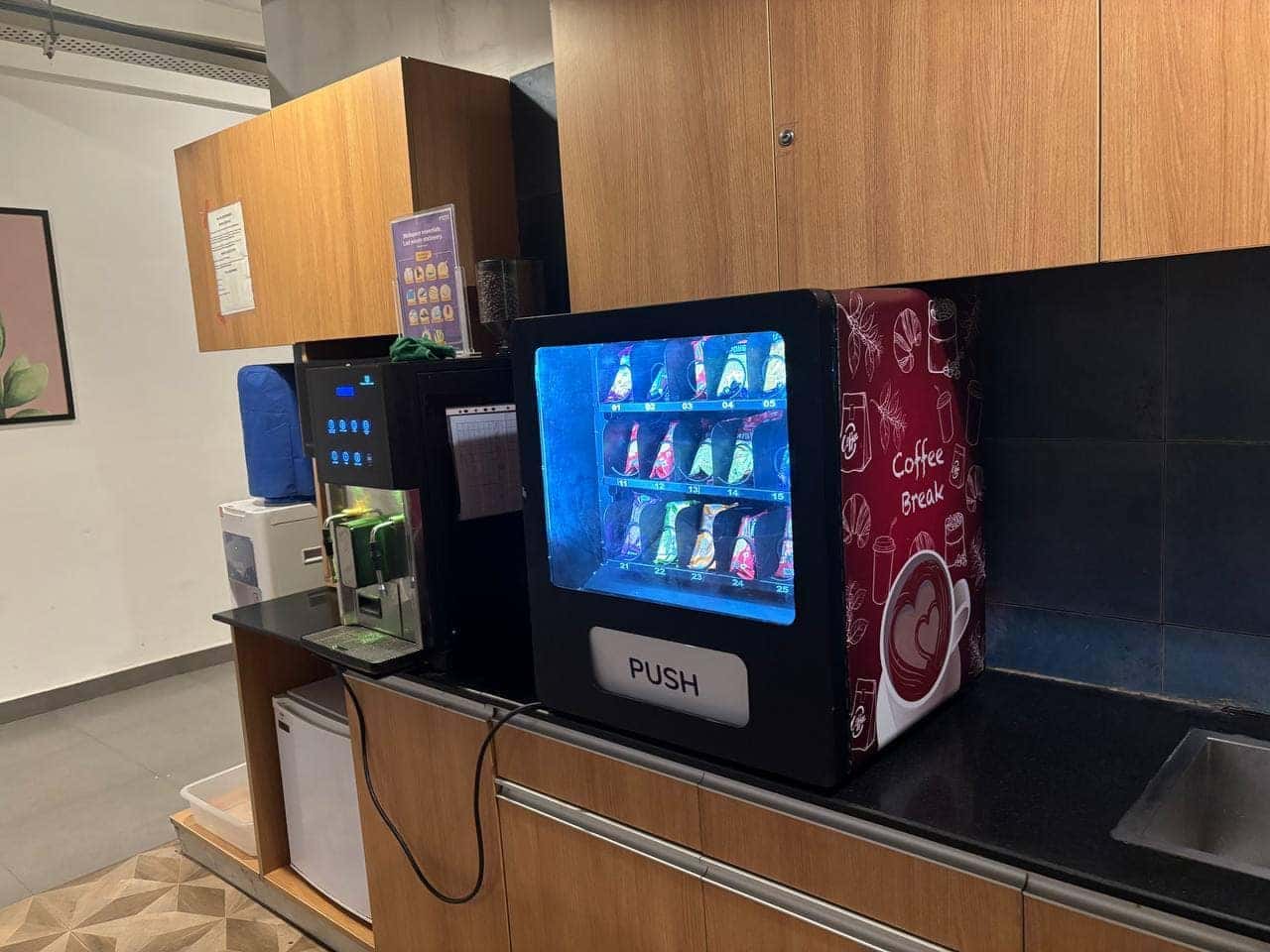
Energy-efficient operation
Lower electricity use for always-on service.
Deployments
Workplace vending in action.
Machines in busy shared spaces: lobbies, breakout areas and office floors.
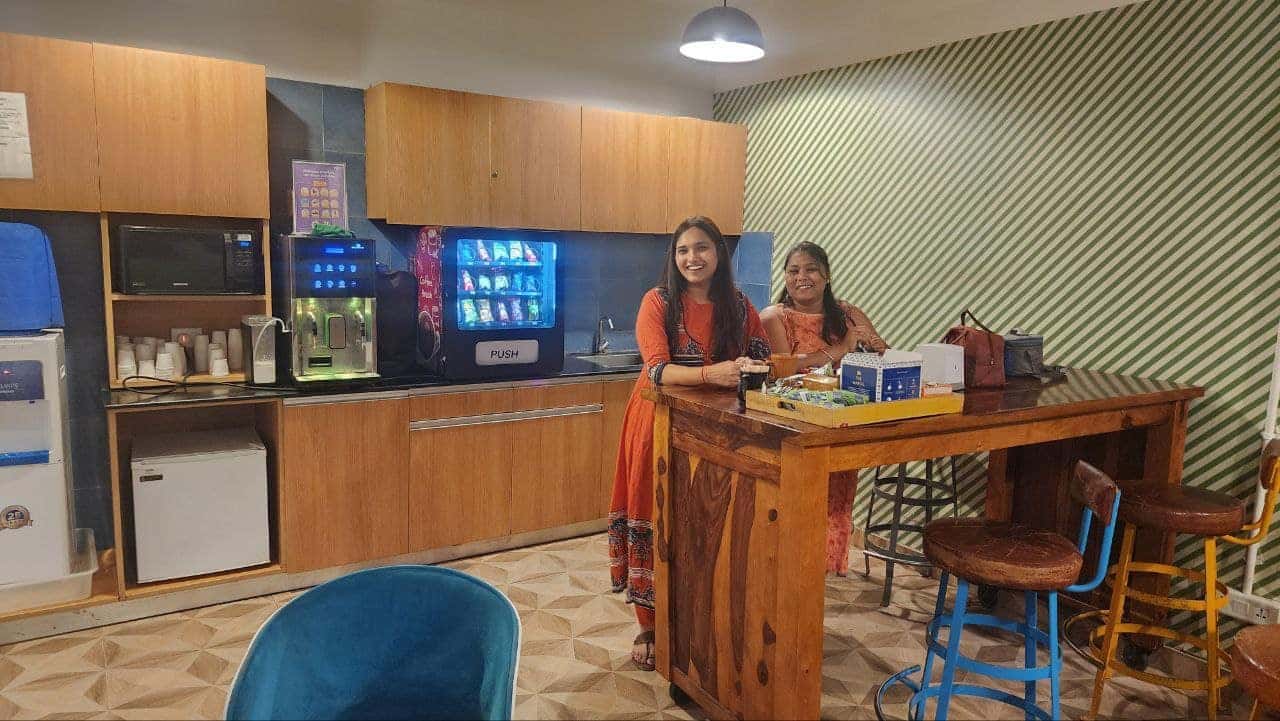
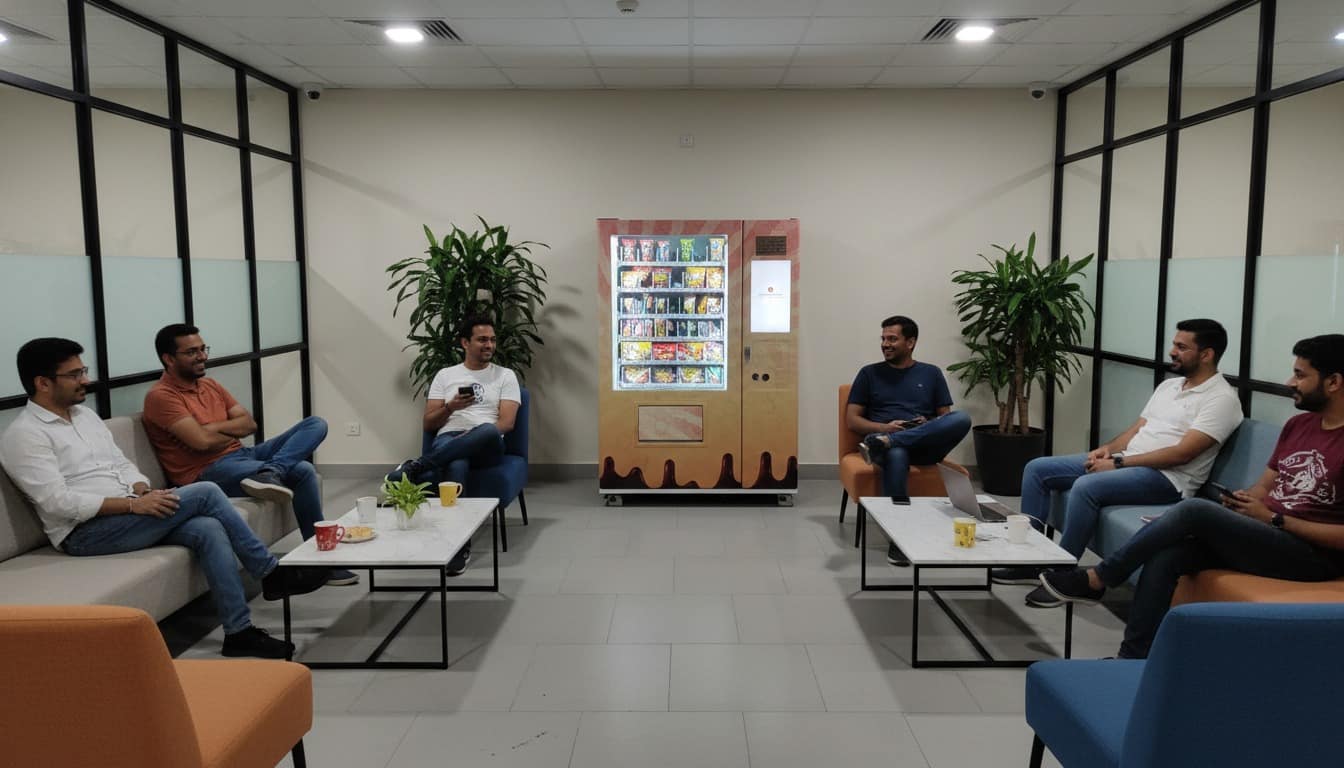
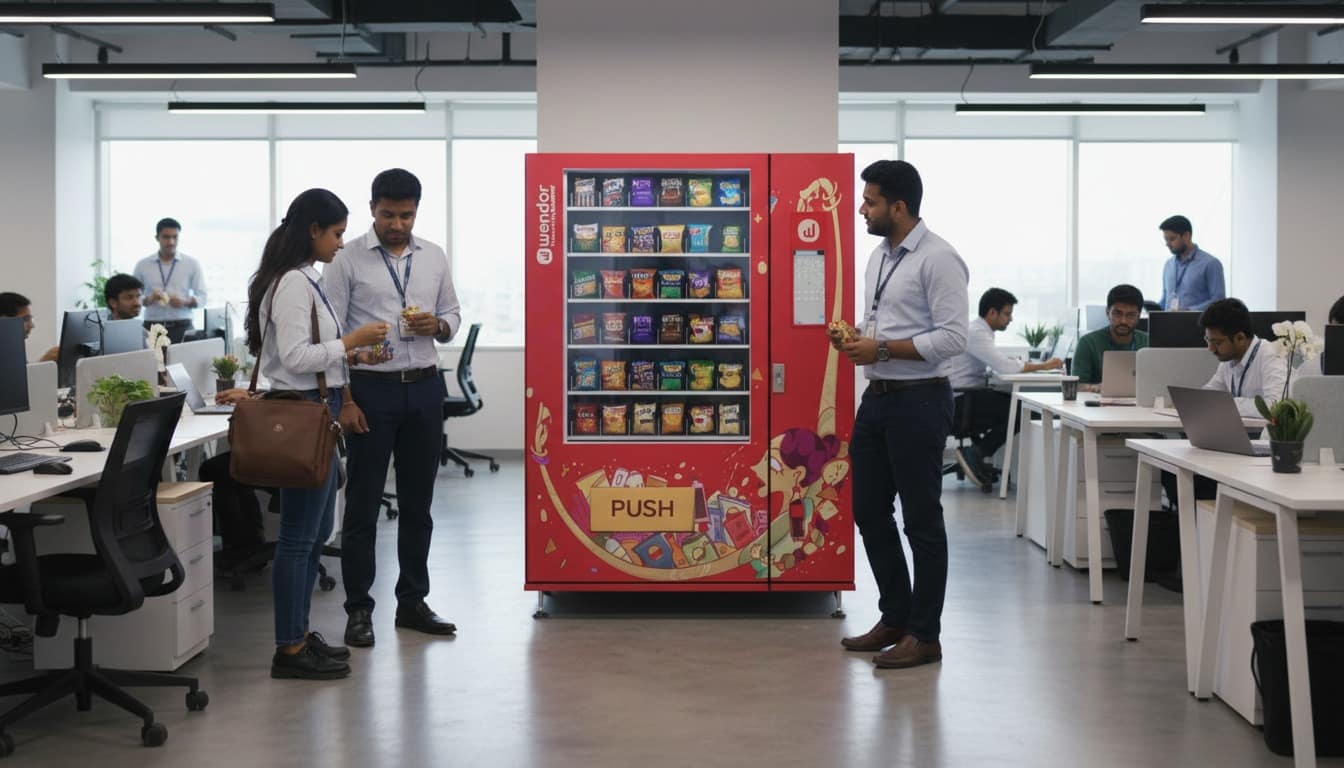
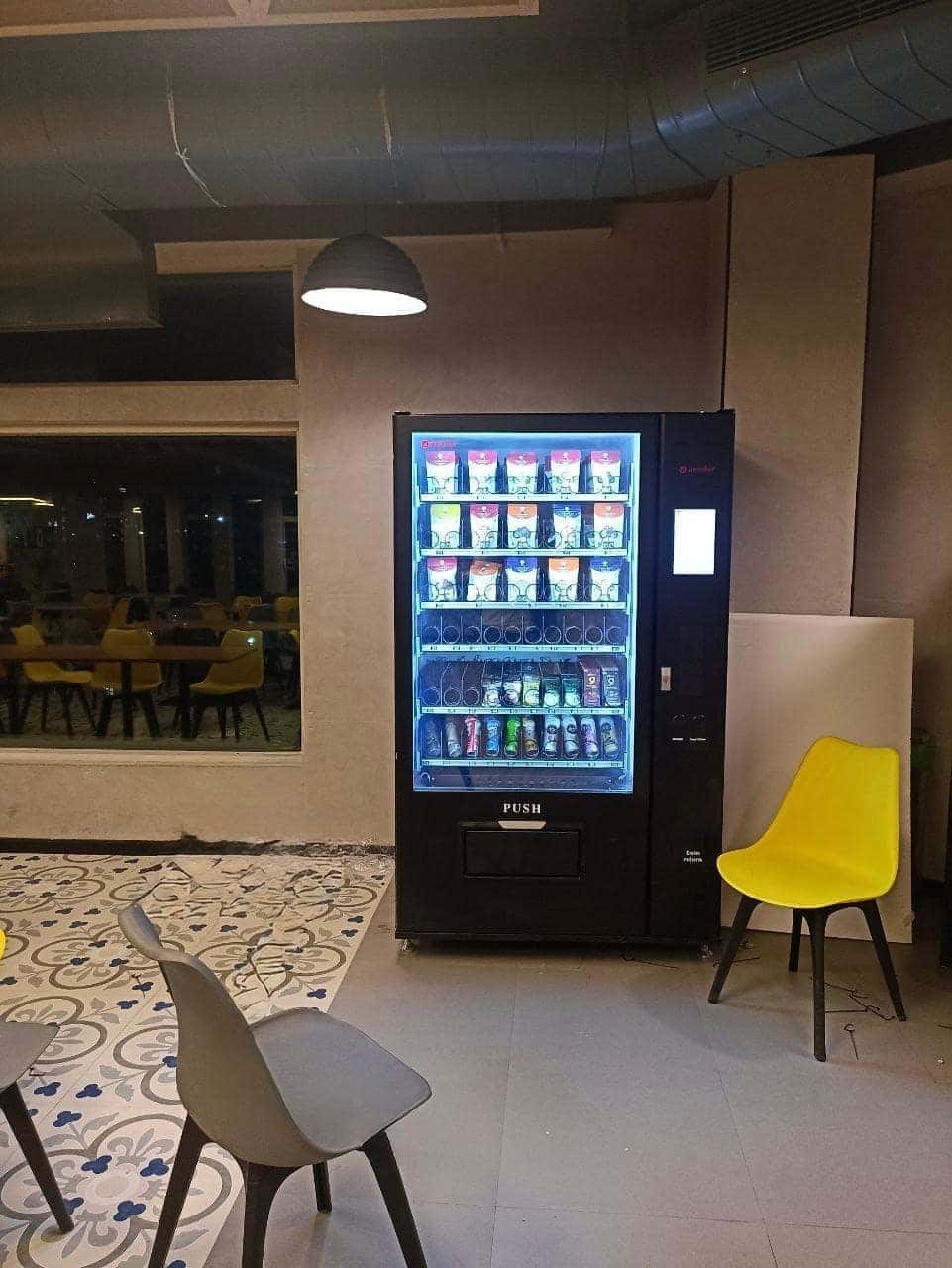
Give teams snacks, drinks and daily essentials on every floor, with cashless checkout and a service plan that keeps the machine stocked.
Vending in Vietnam
Running vending machines in Vietnam
Vietnam went from cash to QR very quickly: VietQR lets any bank app pay any merchant, and wallets like MoMo and ZaloPay are everywhere in the cities. Food businesses need a food safety certificate, and labels must be in Vietnamese.
How people pay in Vietnam
QR is the default in Hanoi and Ho Chi Minh City; a single VietQR code covers every bank app.
- VietQR
- The interoperable bank QR on the NAPAS network.
- MoMo, ZaloPay, VNPay
- The leading wallets and payment apps.
- Cards
- Contactless Visa, Mastercard and NAPAS cards.
Licences and rules
- Business registration
- Register with the provincial business registration office; foreign investors also need an investment certificate.
- Food safety
- Food businesses need a food safety certificate unless exempt, and products must meet Ministry of Health rules.
- Labelling
- Goods sold in Vietnam need Vietnamese-language labels.
- VAT
- Sales carry VAT; check the current rate, as temporary reductions have applied.
Pricing and tax
Vietnamese projects are budgeted in VND by machine type and payment integration.
- Landed cost includes freight, import duty and VAT.
- Low QR fees suit low-price snacks and drinks.
- Ho Chi Minh City and Hanoi offices and campuses are typical pilots.
On the ground
- Power
- 220 V, 50 Hz.
- Climate
- Hot and humid in the south; plan ventilation for chilled machines.
- How we support the rollout
- Our international team scopes the project with you, and every machine reports stock, sales and faults in real time. Most issues are diagnosed remotely, and you see the same dashboard we do.
Where first machines usually go
- Offices and industrial parksFactory and office workers.
- UniversitiesStudents paying by QR.
- HospitalsVisitors at all hours.
- Apartment buildingsConvenience in high-rise residential areas.
This is a planning guide, not legal or tax advice. Rules and rates change, so confirm current requirements with the authority named before you launch. Which payment methods a machine accepts depends on the payment terminal and gateway chosen for your sites.
FAQ
Office vending machines: common questions
Questions from workplace, facilities and business park teams.
