
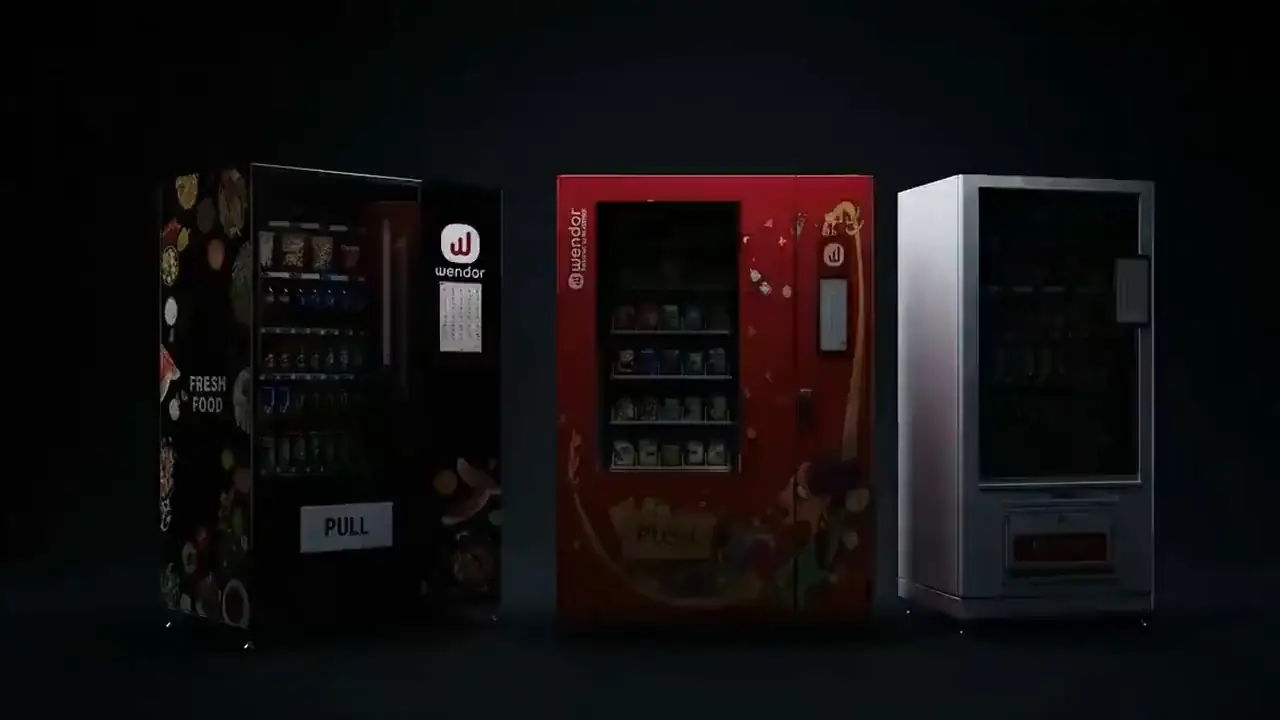
Smart Campus
Smart vending solutions built for real-world operations.
Our clients
Organisations whose sites host Wendor machines










Campus challenge
Why campuses are switching to smart vending.
Traditional food service can be slow, expensive and hard to scale. Smart vending gives schools and universities a faster, cleaner and more controllable option.
Traditional campus cafeteria
- Long queues eat into short breaks between classes.
- Limited opening hours leave evening and weekend demand unserved.
- Staffing and running costs add management overhead.
Wendor smart vending layer
- Instant self-service with little or no queueing.
- 24/7 access that supports student life beyond cafeteria hours.
- Lean operations with clear data and dependable revenue.
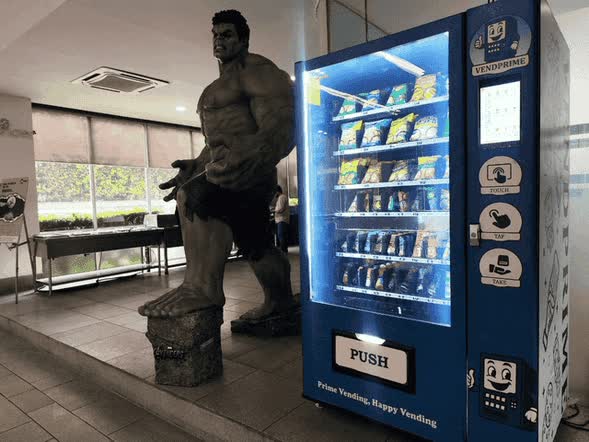
Business outcomes
Why campuses choose Wendor.
Wendor helps campuses improve convenience, keep service quality high and run food retail with better consistency and control.
-
A revenue stream that runs itself
Machines capture demand that already exists on campus, from early lectures to late study sessions, and the income can support student programmes.
-
A modern campus hub
Self-service retail upgrades the student experience without the upkeep of a staffed outlet.
- 24/7 access during late-night study and exam weeks.
- Minimal upkeep compared with a cafeteria counter.
-
Instant access, zero friction
Easy access to snacks and drinks keeps students focused and improves day-to-day campus life.
Smart capabilities
Features for better campus operations.
-
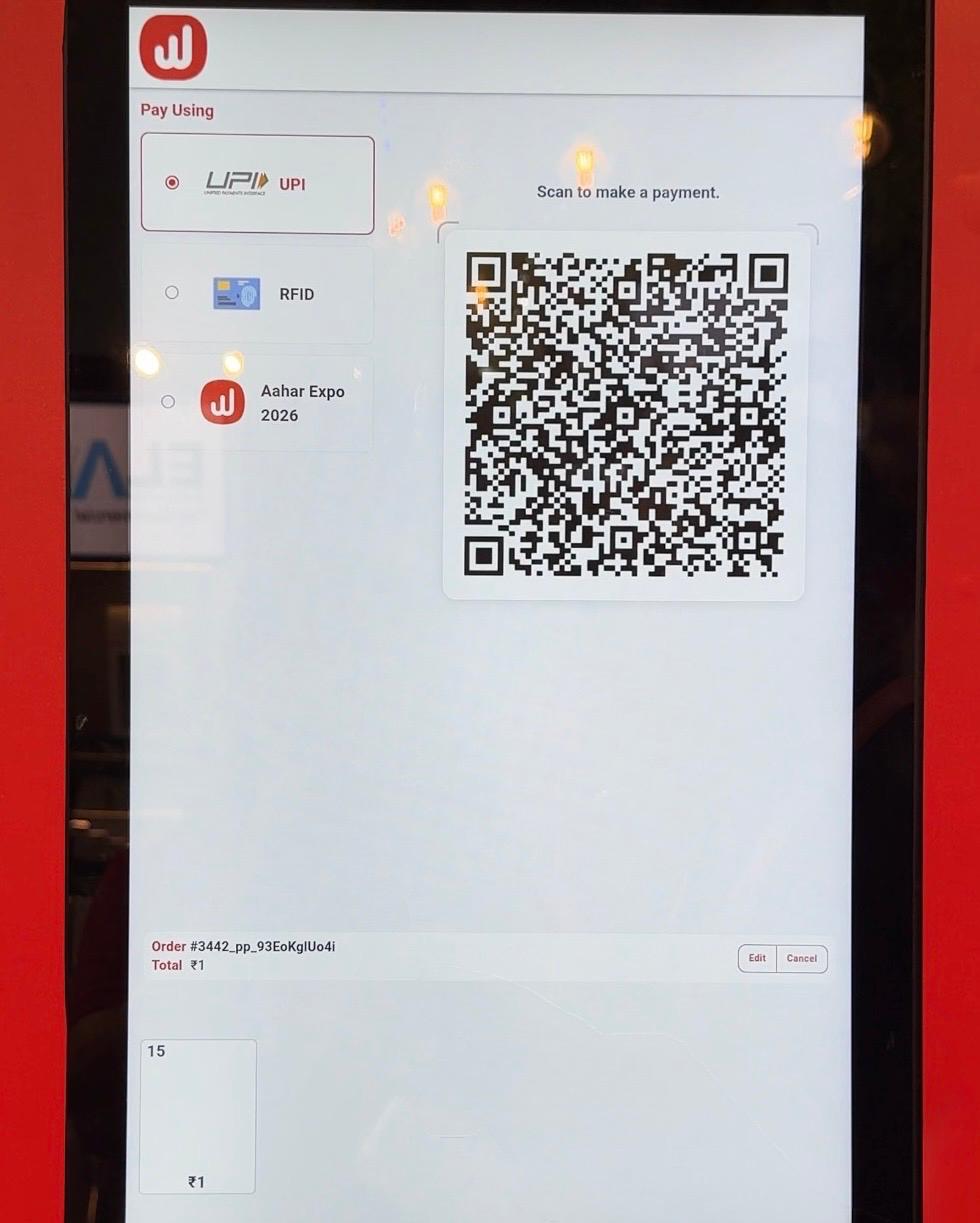
Cashless payments
Cards, mobile wallets and QR codes.
-
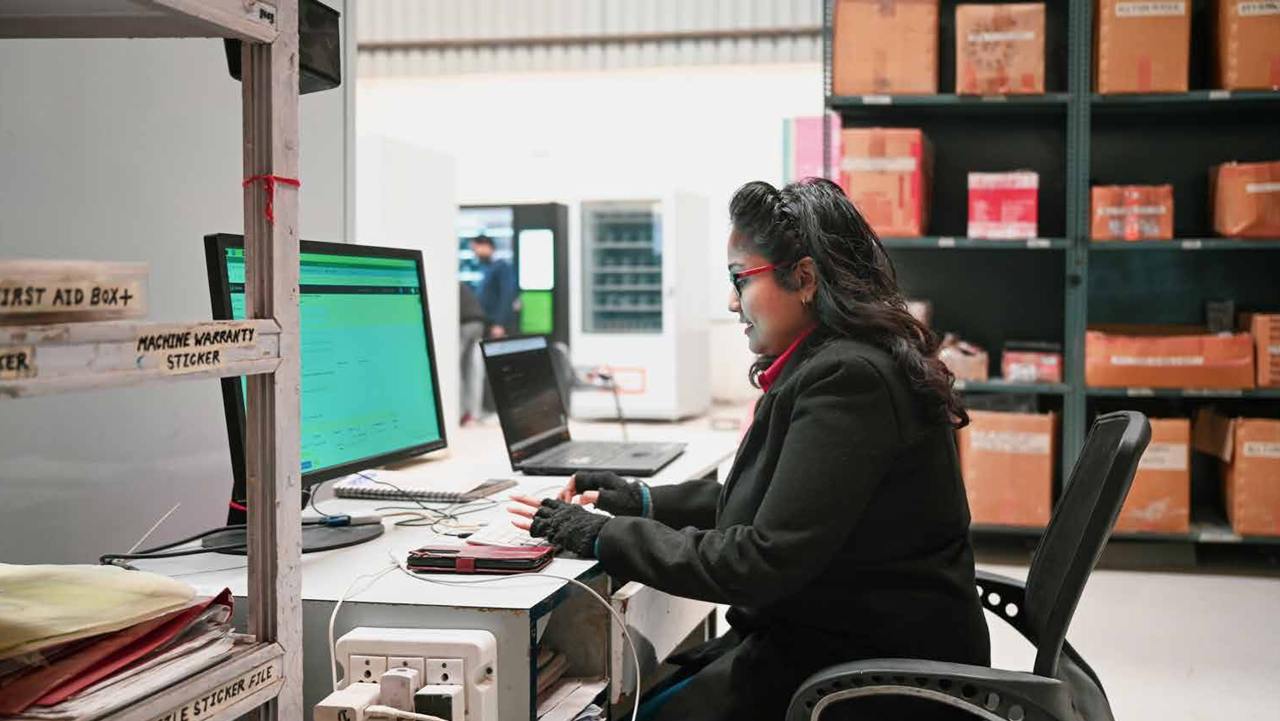
Live inventory tracking
Always stocked, rarely sold out.
-
.B9NxL8Yx.jpeg)
Smart recommendations
Promote the products students buy most.
-
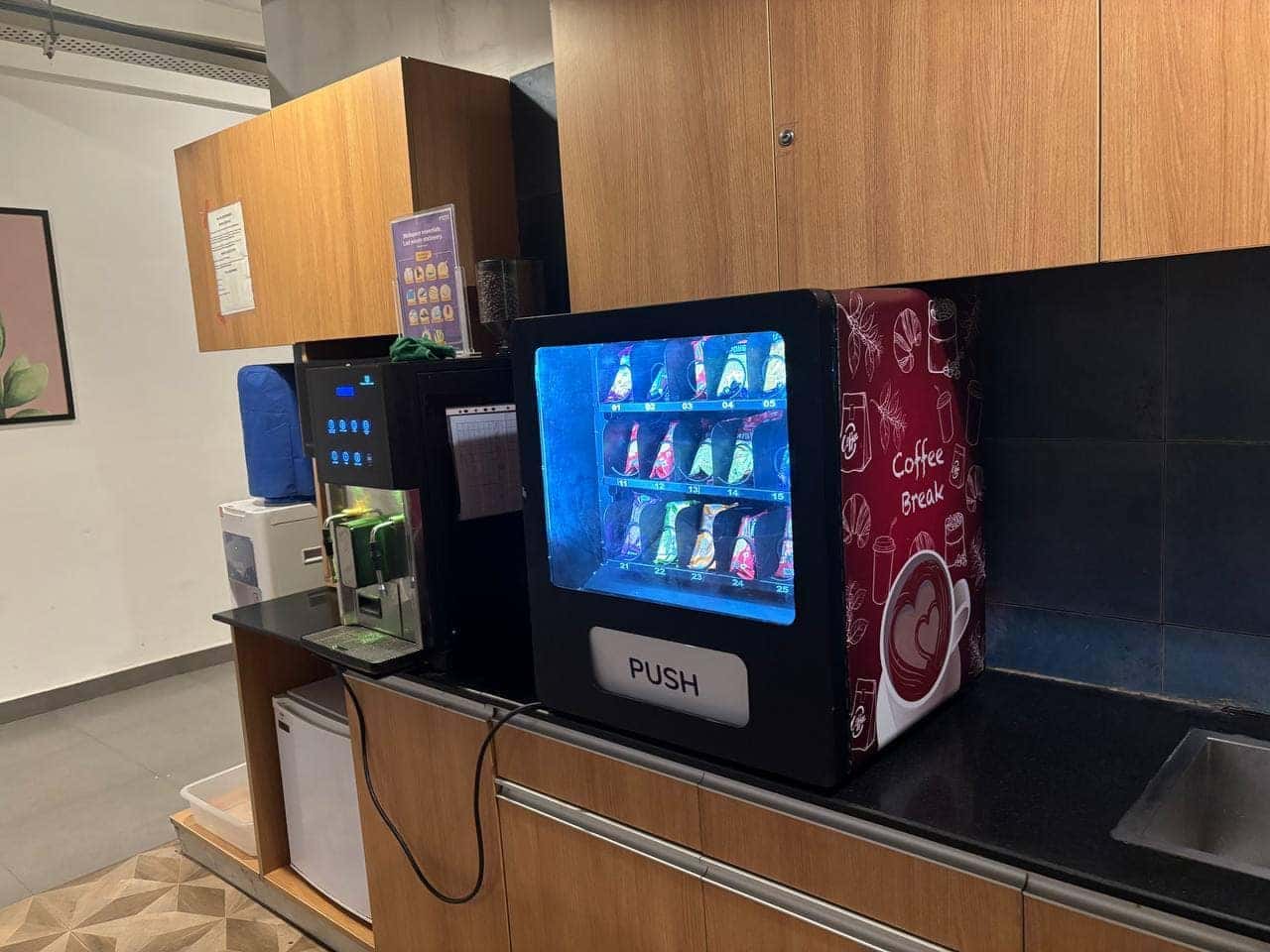
Energy-efficient machines
Lower electricity costs.
Campus deployments
Campus vending in action.
Real campus deployments showing faster service and student-first retail access.
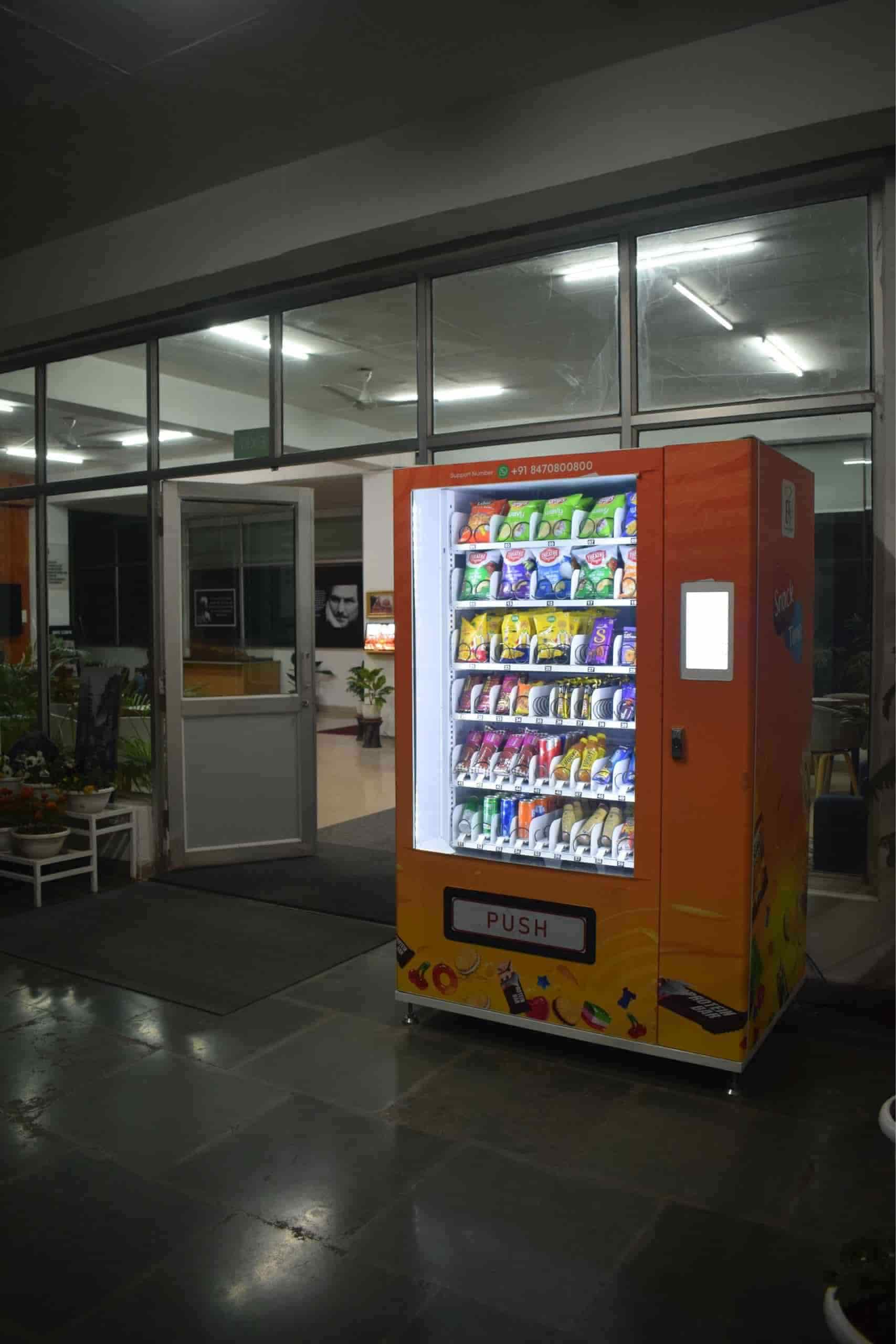
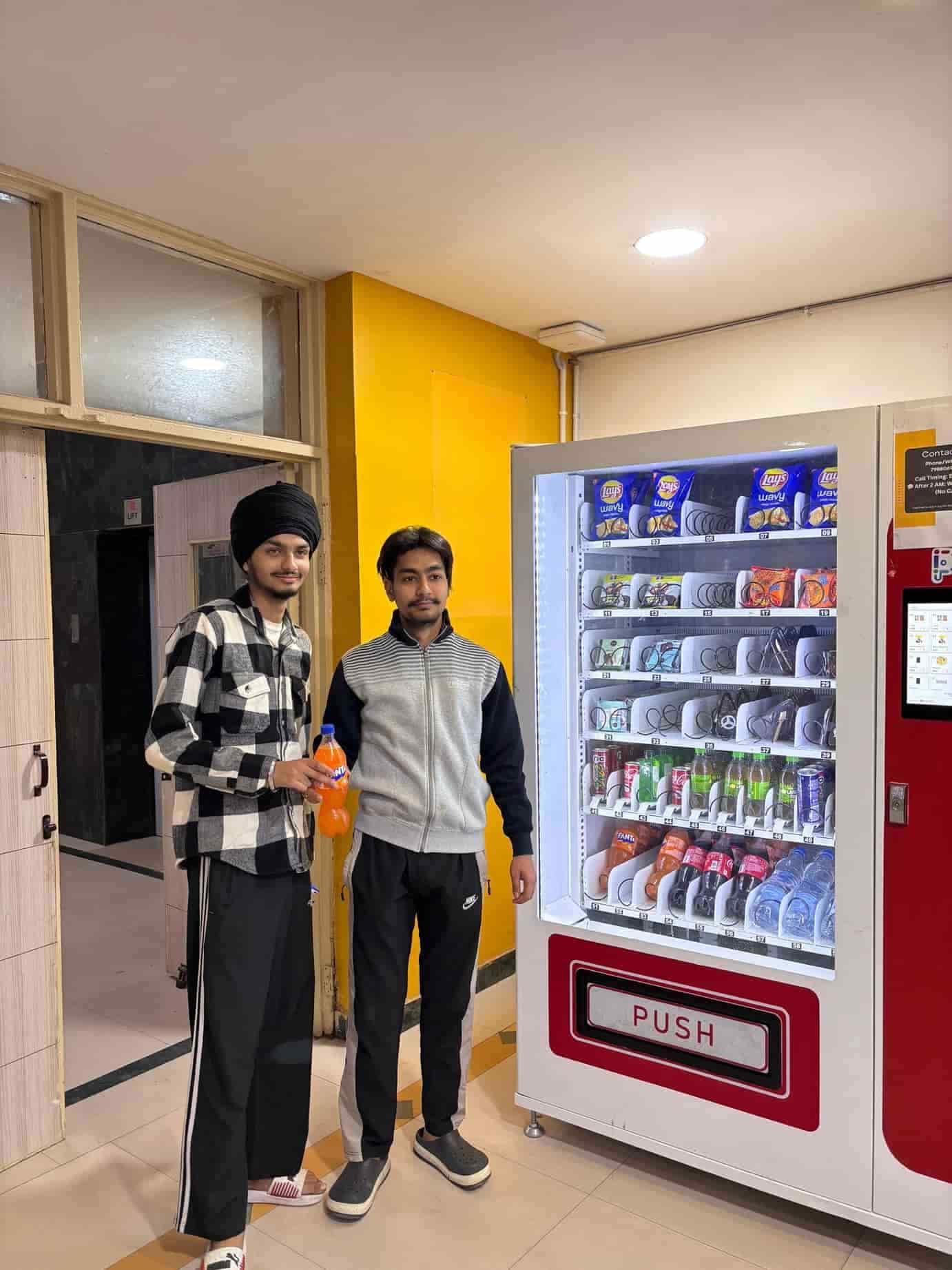
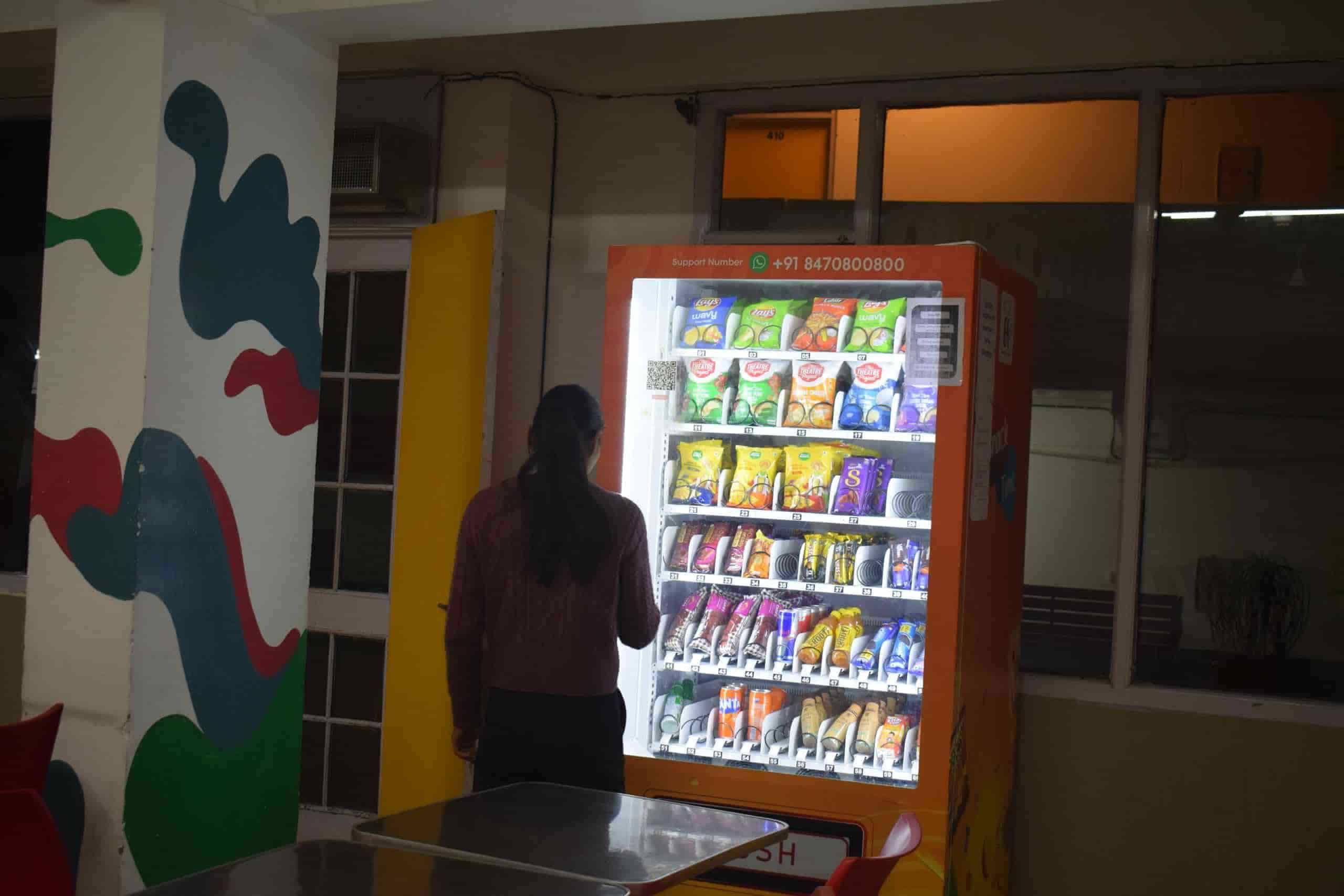
Give students and staff 24/7 access to trusted snacks and drinks while your institution gains control and cleaner operations.
Vending in Indonesia
Running vending machines in Indonesia
Indonesia runs on QR payments: one national standard, QRIS, lets any wallet or bank app pay any merchant. Food rules are just as specific, with BPOM registration and mandatory halal certification for food and drinks.
How people pay in Indonesia
A single QRIS code accepts every major wallet and bank app, which makes it the obvious default at a machine.
- QRIS
- The national QR standard, accepted by all Indonesian wallets and mobile banking apps.
- GoPay, OVO, DANA, ShopeePay
- The most used e-wallets, all payable through QRIS.
- Debit and credit cards
- Tap-to-pay for offices, hotels and airports.
Licences and rules
- Business licence (OSS)
- Register through the OSS system to get a business identification number (NIB) and the right business classification.
- BPOM
- Processed food sold in Indonesia needs BPOM registration (ML or MD numbers on the pack).
- Halal certification
- Halal certification from BPJPH is mandatory for food and drinks, phased in by product category.
- Tax
- Sales are subject to PPN (VAT); check the current rate for your product categories.
Pricing and tax
Many Indonesian projects are planned around IDR 20,000,000 to IDR 35,000,000 per machine.
- Landed cost includes freight, import duty and PPN on top of the machine price.
- Payment gateway fees for QRIS are low, which helps small-ticket snacks.
- Jakarta and Surabaya office parks are the usual first sites.
On the ground
- Power
- 230 V, 50 Hz. Surge protection is recommended.
- Humidity and heat
- Chilled machines need good ventilation in tropical conditions.
- How we support the rollout
- Our international team scopes the project with you, and every machine reports stock, sales and faults in real time. Most issues are diagnosed remotely, and you see the same dashboard we do.
Where first machines usually go
- Office towersStaff snacks and drinks paid by QRIS.
- CampusesStudents paying by wallet.
- Hospitals24/7 convenience.
- Transit (KRL, MRT)Commuters in Greater Jakarta.
This is a planning guide, not legal or tax advice. Rules and rates change, so confirm current requirements with the authority named before you launch. Which payment methods a machine accepts depends on the payment terminal and gateway chosen for your sites.
FAQ
Vending machines for schools and universities: common questions
Quick answers on fit, operations and campus-ready vending.
