
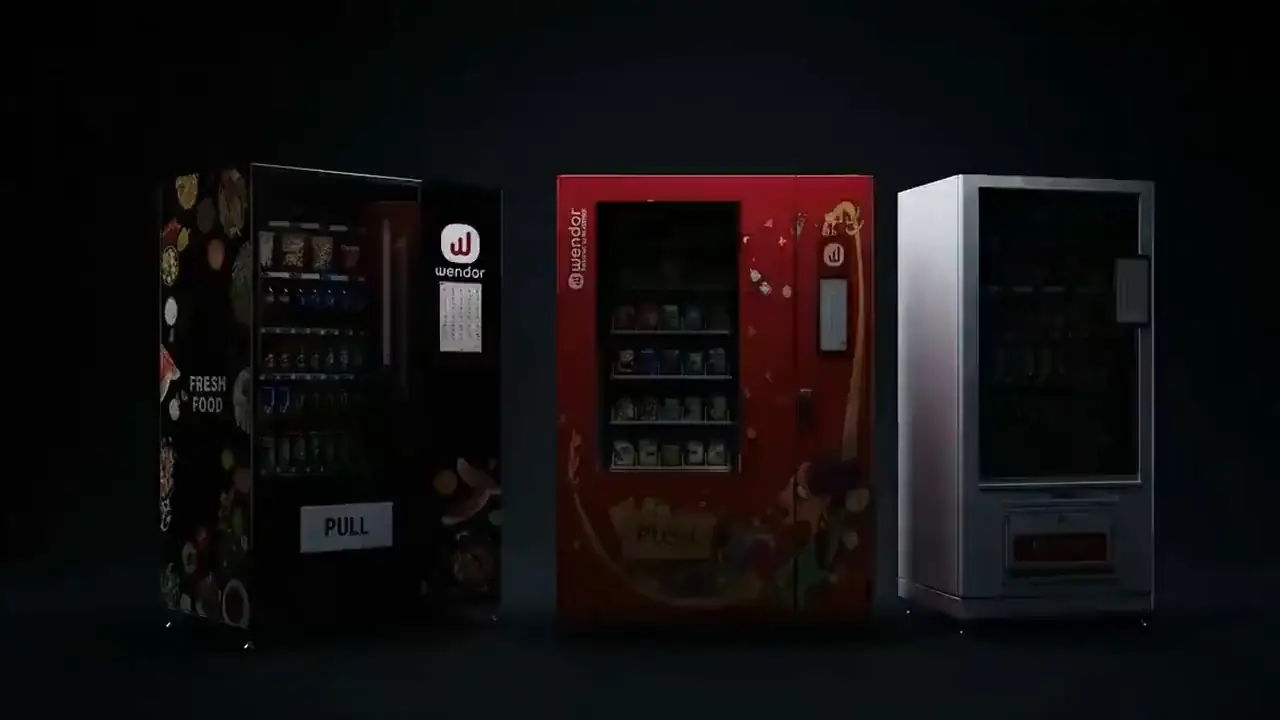
Residential Communities
Smart vending solutions built for real-world operations.
Our clients
Organisations whose sites host Wendor machines










Resident needs
Daily needs are small and urgent.
Water, a snack, tissues, a charger: residents would rather buy them in the building than make a trip to the shop.
Trips outside the building
- Late-night needs when shops are shut or delivery is too slow.
- Short trips for basics are a chore in large compounds.
- Property teams do not want another unmanaged refill job.
Wendor residential layer
- A trusted common-area amenity residents can rely on.
- Cashless buying that stays simple for families and guests.
- Stock and service visibility so the machine stays useful.
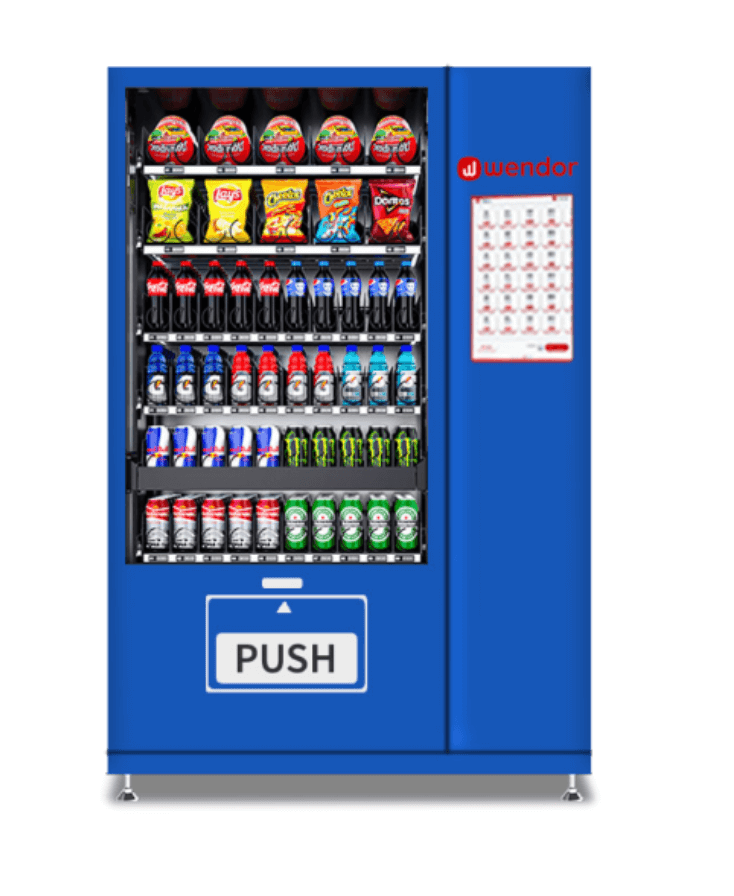
Why Wendor fits residential communities
A reliable community amenity.
Everyday practicality, simple cashless buying and predictable service for property managers and owners’ associations.
-
Products for daily life
Drinks, snacks, hygiene items and quick basics chosen around what residents need in small urgent moments.
-
Resident-friendly buying
Cashless checkout keeps everyday use easy for residents, families and guests.
- Cards, wallets and QR payments in the lobby.
- No cash to collect or reconcile.
-
Visibility for service and stock
Property managers can see refills, usage and upkeep instead of guessing.
Smart capabilities
Features for residential communities.
-
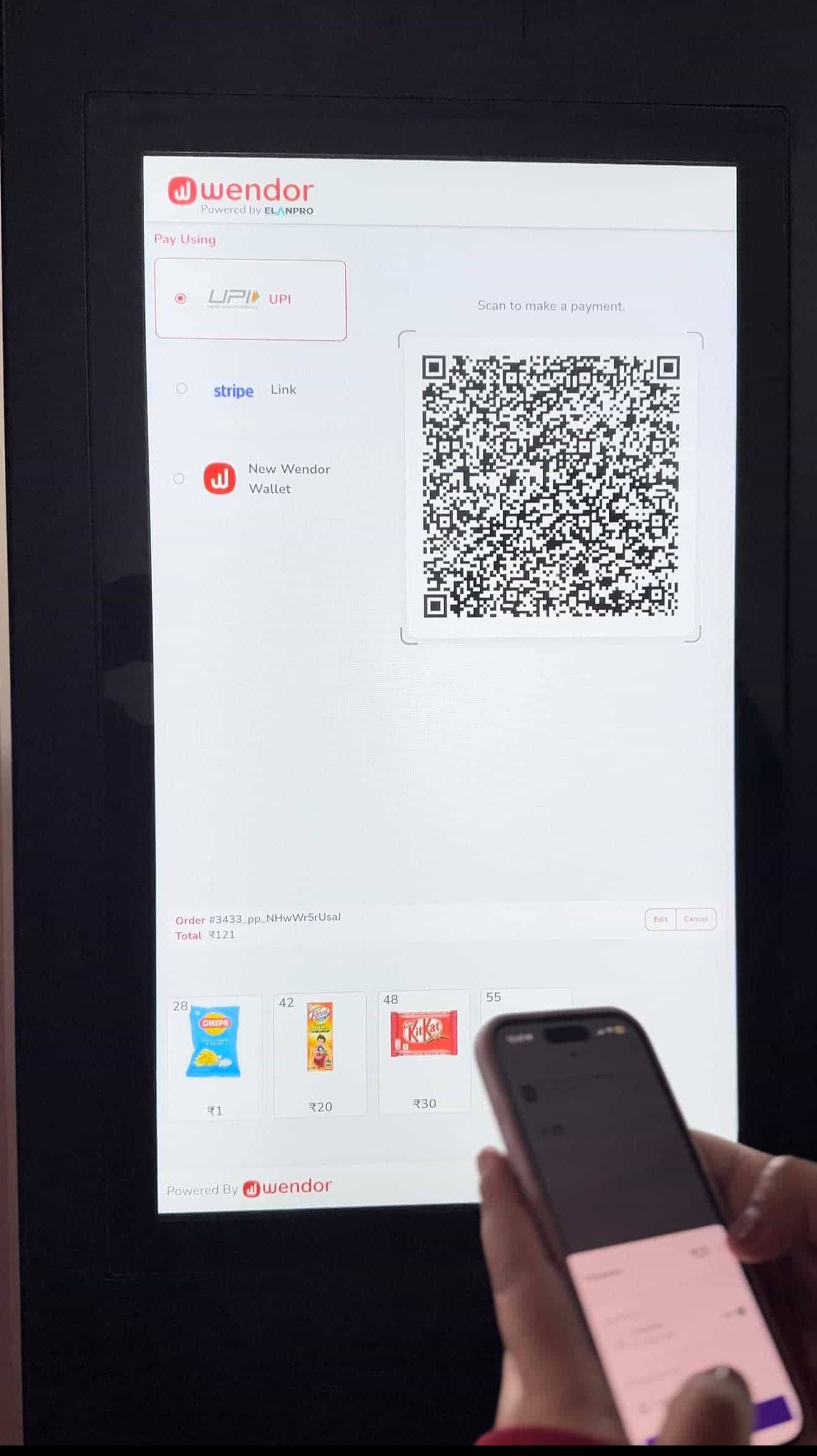
Cashless payments
Simple digital buying for residents and guests.
-
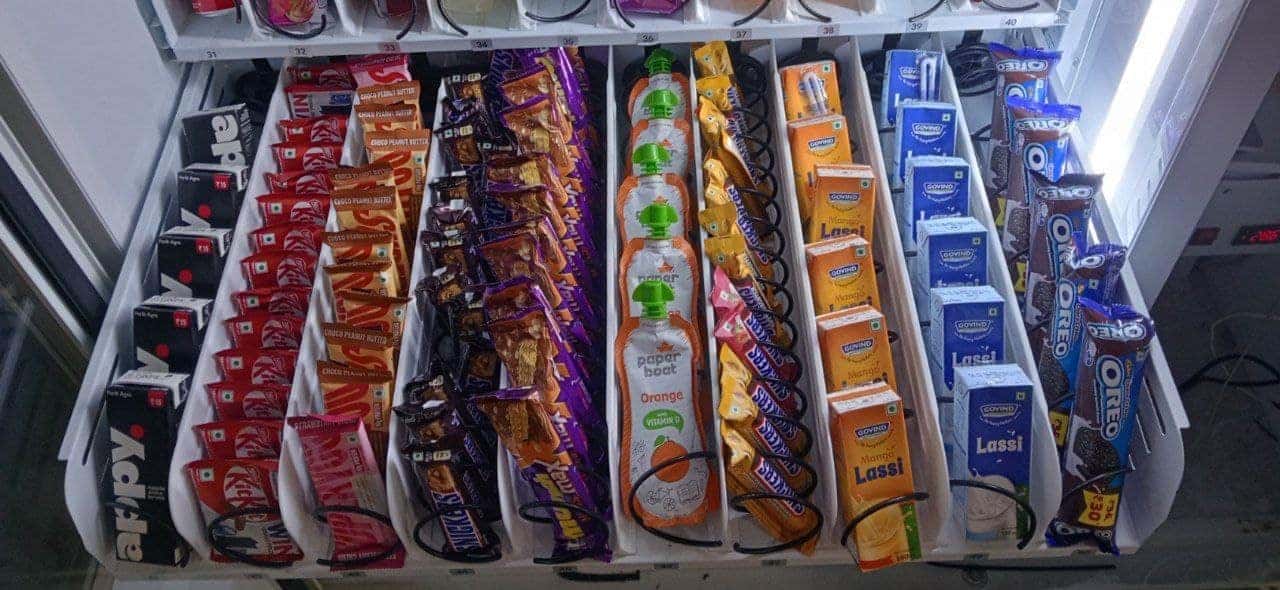
Daily-life range
Drinks, snacks, hygiene and household basics.
-
.CsfrWOW2.jpeg)
Service visibility
Refill and upkeep data for shared spaces.
-
.GsGjKlBz.jpeg)
Efficient operation
Far lower overhead than a staffed shop.

Deployments
Community vending in action.
Lobby, clubhouse and tower placements that support real daily use.
.ohjR7NRH.jpeg)
.BdYjoulN.jpeg)
.2Go2l0Re.jpeg)
Reliable in-building access to daily needs and late-night basics, with cashless buying and no staffed shop to run.
Vending in Mexico
Running vending machines in Mexico
Mexico mixes cash habits with fast-growing card and QR payments. Front-of-pack warning labels (NOM-051) and the ban on junk food in schools shape what machines can sell, and taxes include IEPS on sugary drinks and high-calorie foods.
How people pay in Mexico
Cash remains common, so many operators combine a coin or note module with contactless cards and QR.
- Debit and credit cards
- Contactless Visa and Mastercard.
- QR wallets
- Mercado Pago and bank QR payments, depending on the gateway.
- Cash
- Coins and notes are still expected in many public sites.
Licences and rules
- Tax registration
- Register with the SAT (RFC) and issue CFDI electronic invoices when requested.
- Municipal licence
- A local operating licence (licencia de funcionamiento) and the site owner’s permission.
- Labelling and health
- Packaged food must follow NOM-051 warning labels; COFEPRIS oversees health regulation.
- Schools
- Selling junk food and sugary drinks in schools is prohibited.
Pricing and tax
Mexican projects are budgeted in pesos by machine, stock and service setup.
- Taxes include 16% IVA and IEPS on sugary drinks and high-calorie foods.
- Landed cost adds freight, import duty and customs broker fees.
- Machines need the 127 V, 60 Hz configuration.
On the ground
- Power
- 127 V, 60 Hz with North American plugs.
- Language
- Spanish on-screen text and labels.
- How we support the rollout
- Our international team scopes the project with you, and every machine reports stock, sales and faults in real time. Most issues are diagnosed remotely, and you see the same dashboard we do.
Where first machines usually go
- Factories and industrial parksShift workers in manufacturing hubs.
- OfficesMexico City, Monterrey and Guadalajara business districts.
- HospitalsStaff and visitors around the clock.
- UniversitiesHealthy options for students.
This is a planning guide, not legal or tax advice. Rules and rates change, so confirm current requirements with the authority named before you launch. Which payment methods a machine accepts depends on the payment terminal and gateway chosen for your sites.
FAQ
Vending machines for residential buildings: common questions
Questions from property managers, owners’ associations and developers.
