
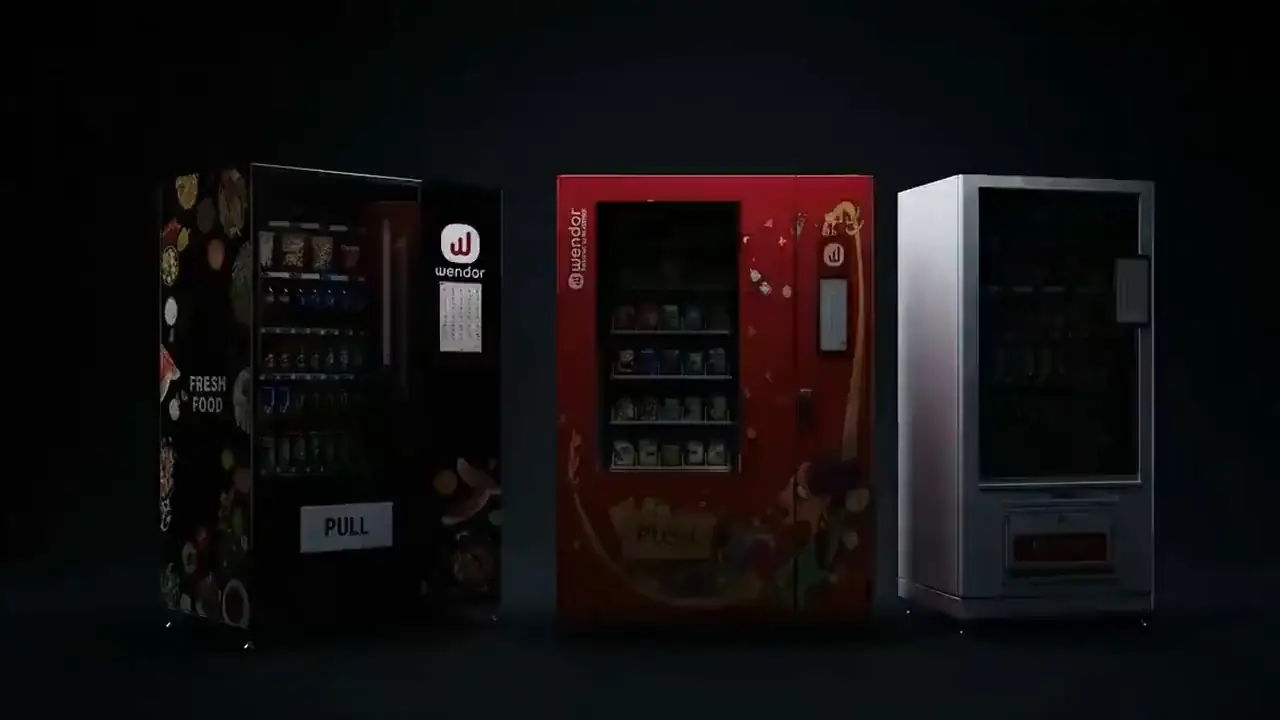
Healthcare and Clinics
Smart vending solutions built for real-world operations.
Our clients
Organisations whose sites host Wendor machines









Healthcare challenge
Why healthcare facilities are switching to smart vending.
In care environments, convenience must be fast, controlled and dependable. Smart vending gives access without adding service chaos.
Traditional hospital retail
- Limited opening hours leave night shifts and visitors without options.
- Staffed counters add cost and create queues in sensitive areas.
- Little visibility on stock makes refills reactive instead of planned.
Wendor healthcare layer
- 24/7 access for visitors, families and shift teams.
- Cashless checkout by card, wallet or QR.
- A controlled product range for care environments.
- Service and stock visibility to avoid surprises.
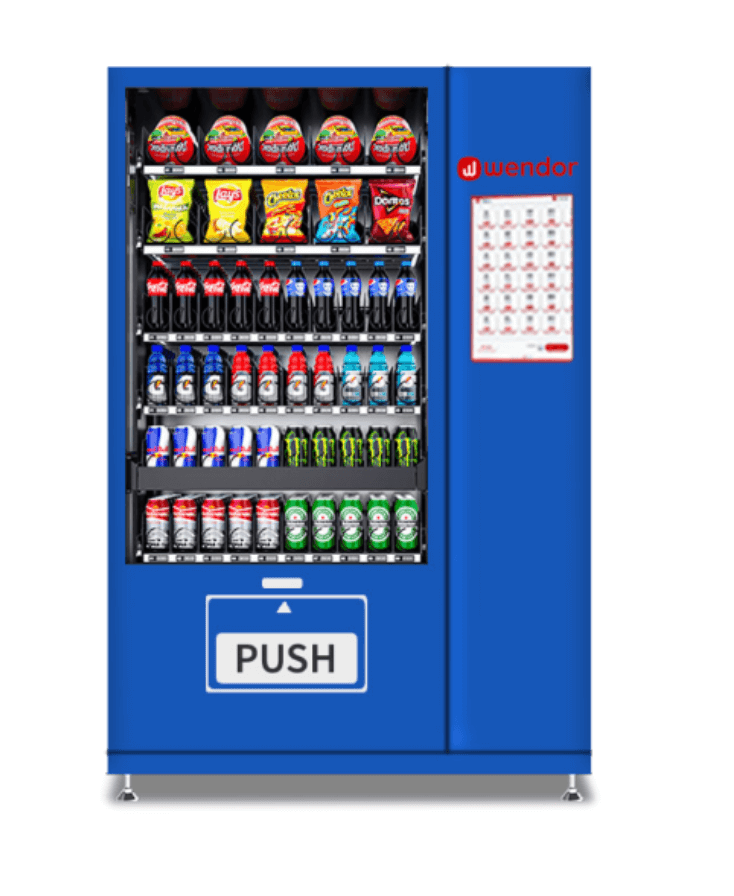
Operational outcomes
Better access without adding service chaos
Healthcare teams judge vending as an operations decision, not just a convenience add-on. Wendor keeps it disciplined, visible and reliable.
-
A healthcare-appropriate range
Water, snacks, drinks and approved essentials in a disciplined format for patient-facing areas.
-
Cashless in high-stress moments
Quick checkout matters when people are waiting, changing shifts or dealing with an emergency.
- Contactless cards, wallets and QR payments.
- Less friction for visitors and staff under time pressure.
-
Predictable refills
Live data shows stock gaps and service needs before they become complaints in busy corridors.
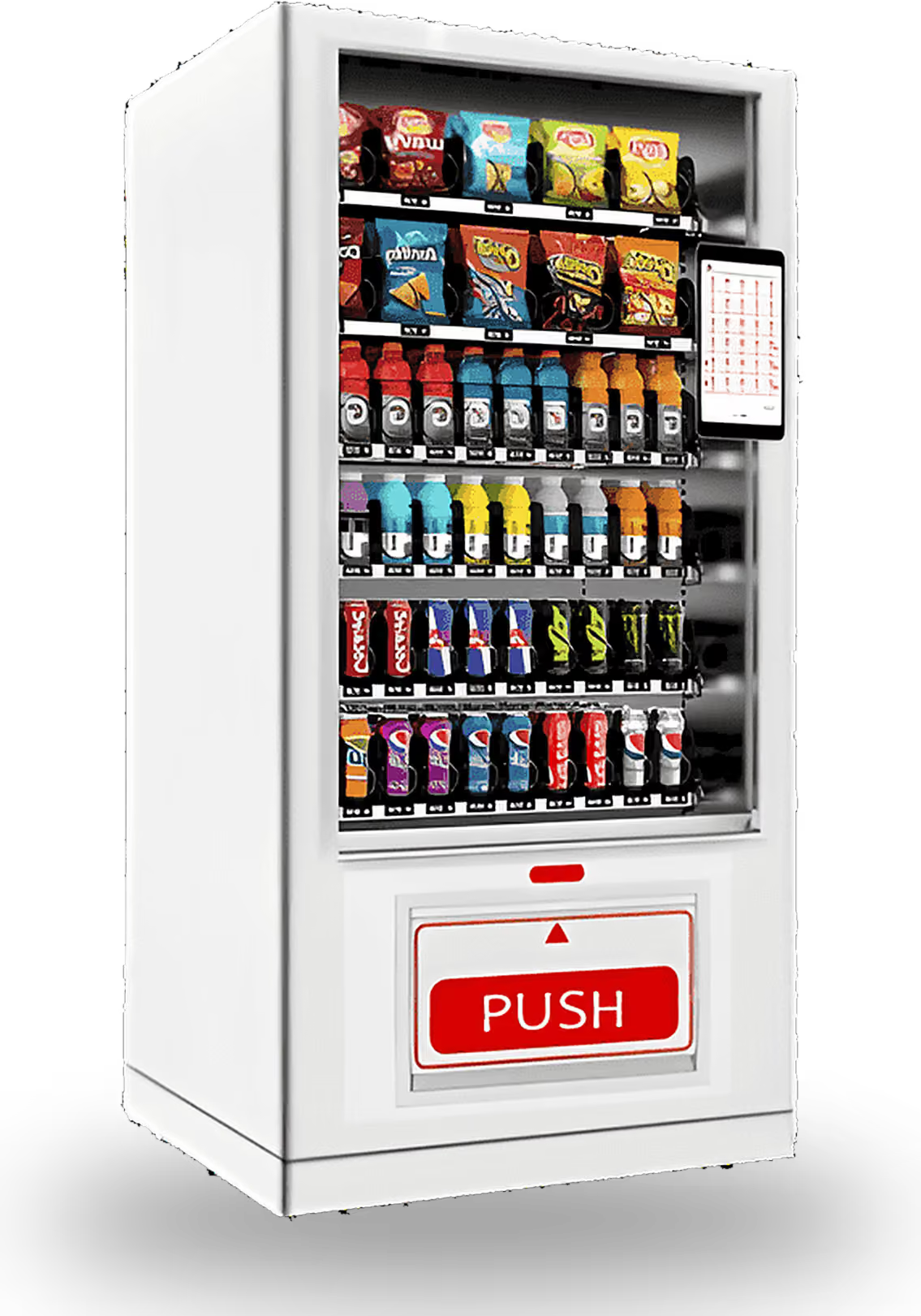
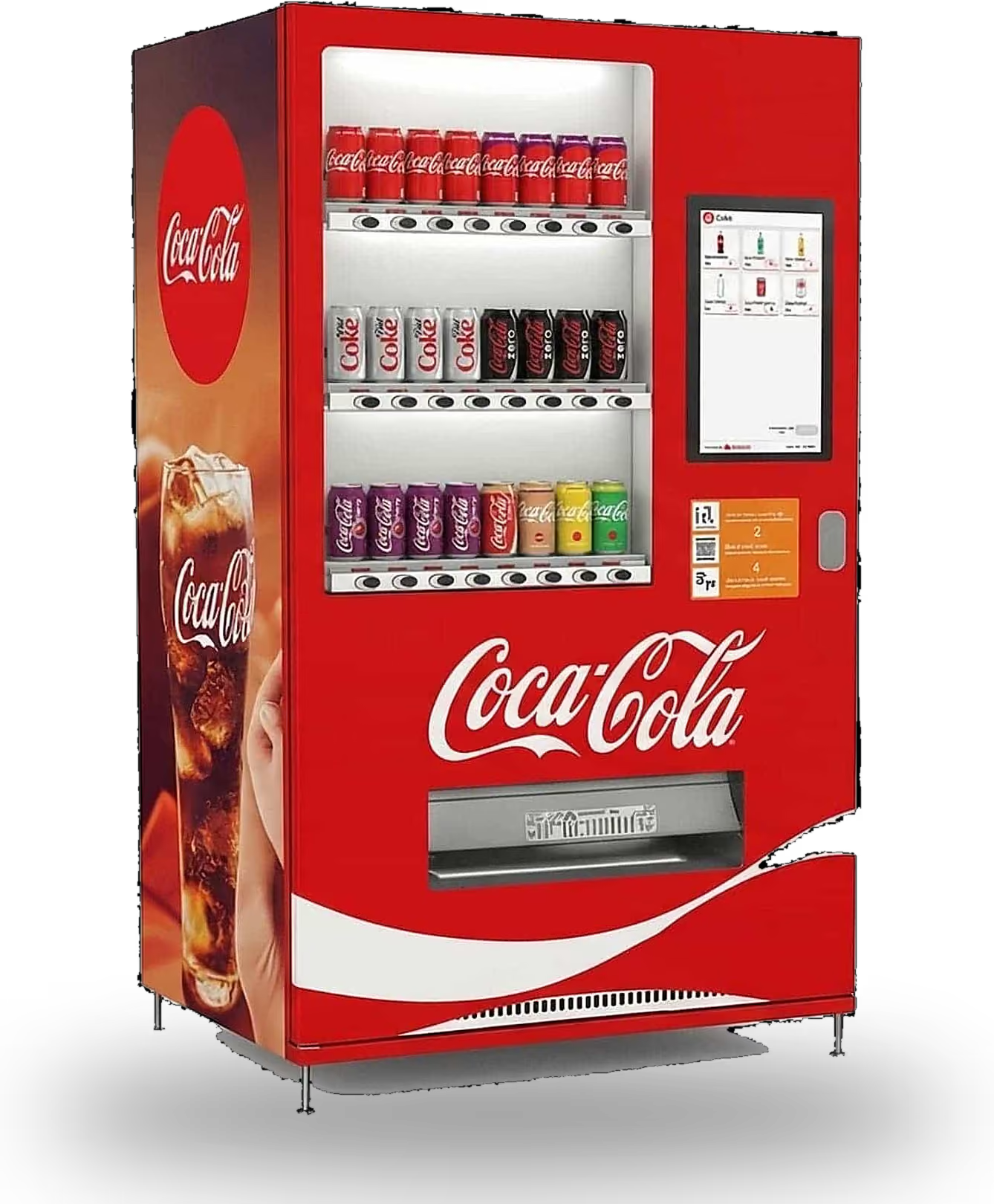
Smart capabilities
Features for healthcare vending.
-
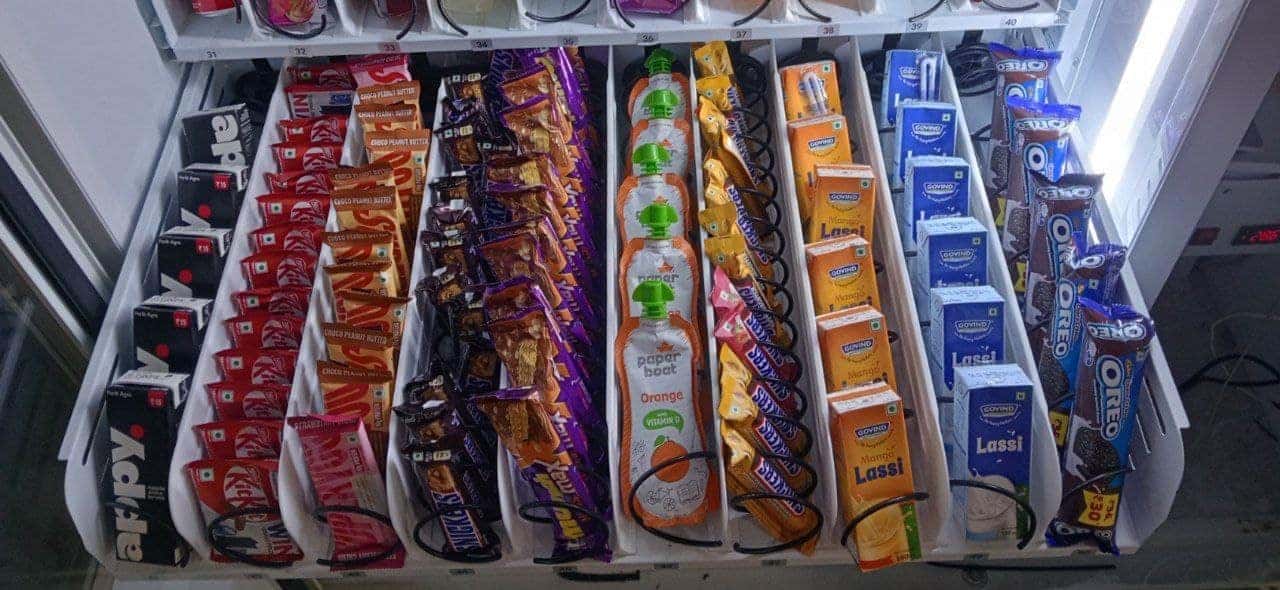
Curated range
Healthcare-friendly products for staff, patients and visitors.
-
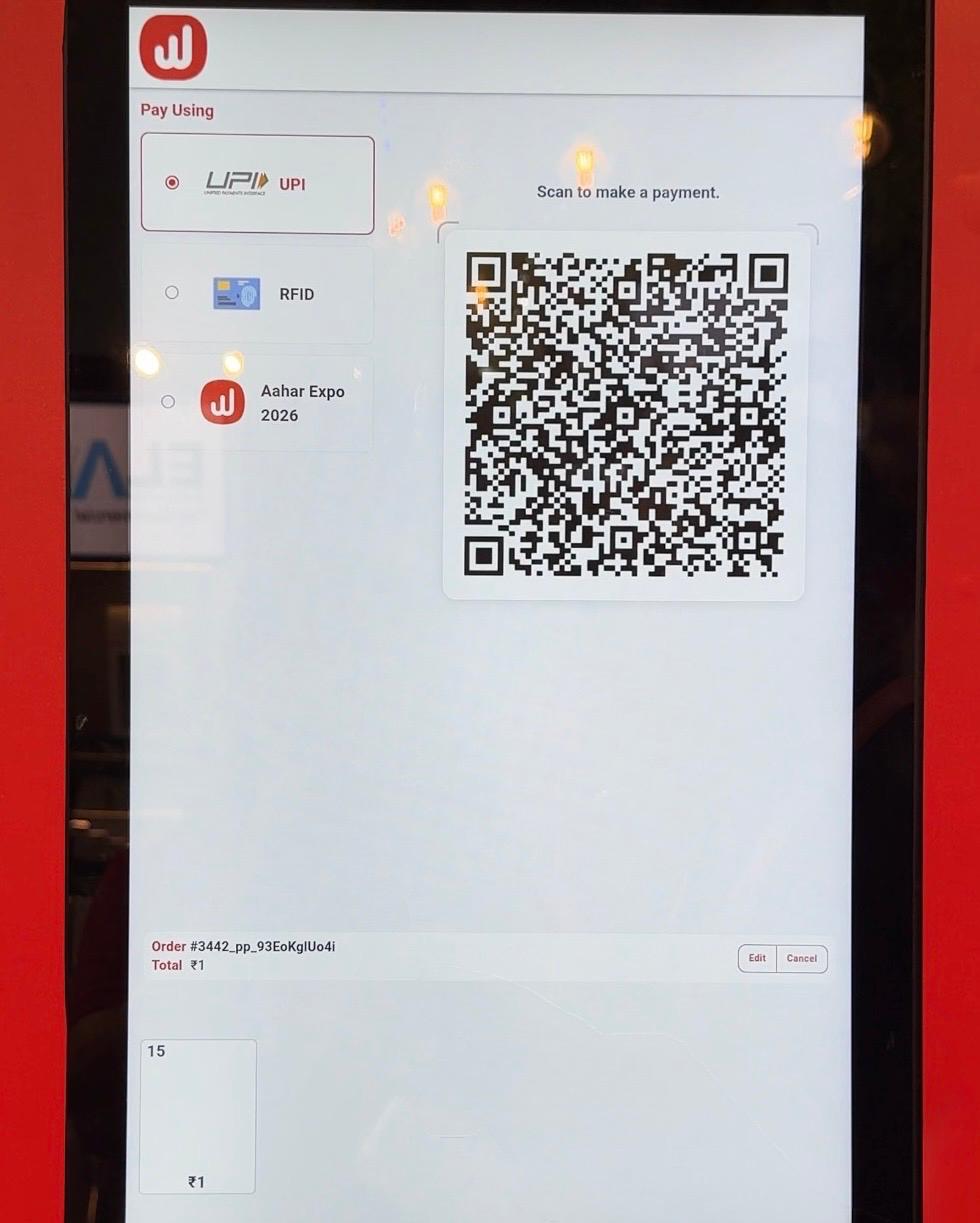
Cashless checkout
Quick digital payment in high-footfall care areas.
-
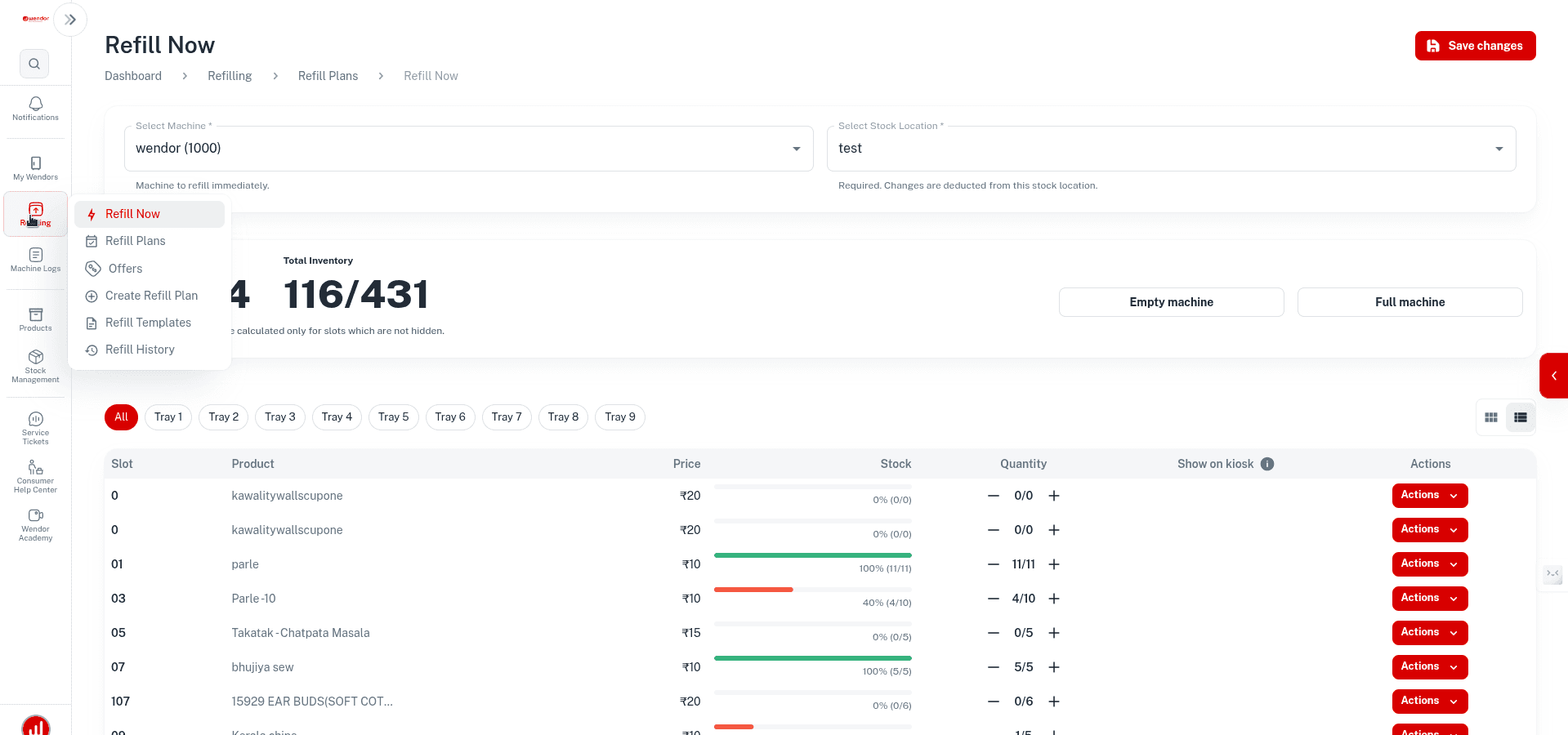
Live visibility
Track demand and refill needs from one dashboard.
-
.DXysdhIU.jpeg)
Facility-first presence
Machines and placement that suit calm patient areas.
Healthcare deployments
Healthcare vending in action.
Machines in hospitals and clinics, placed for patient-friendly, reliable access.
.D7LwzD8p.jpeg)
.DG9vnsAZ.jpeg)
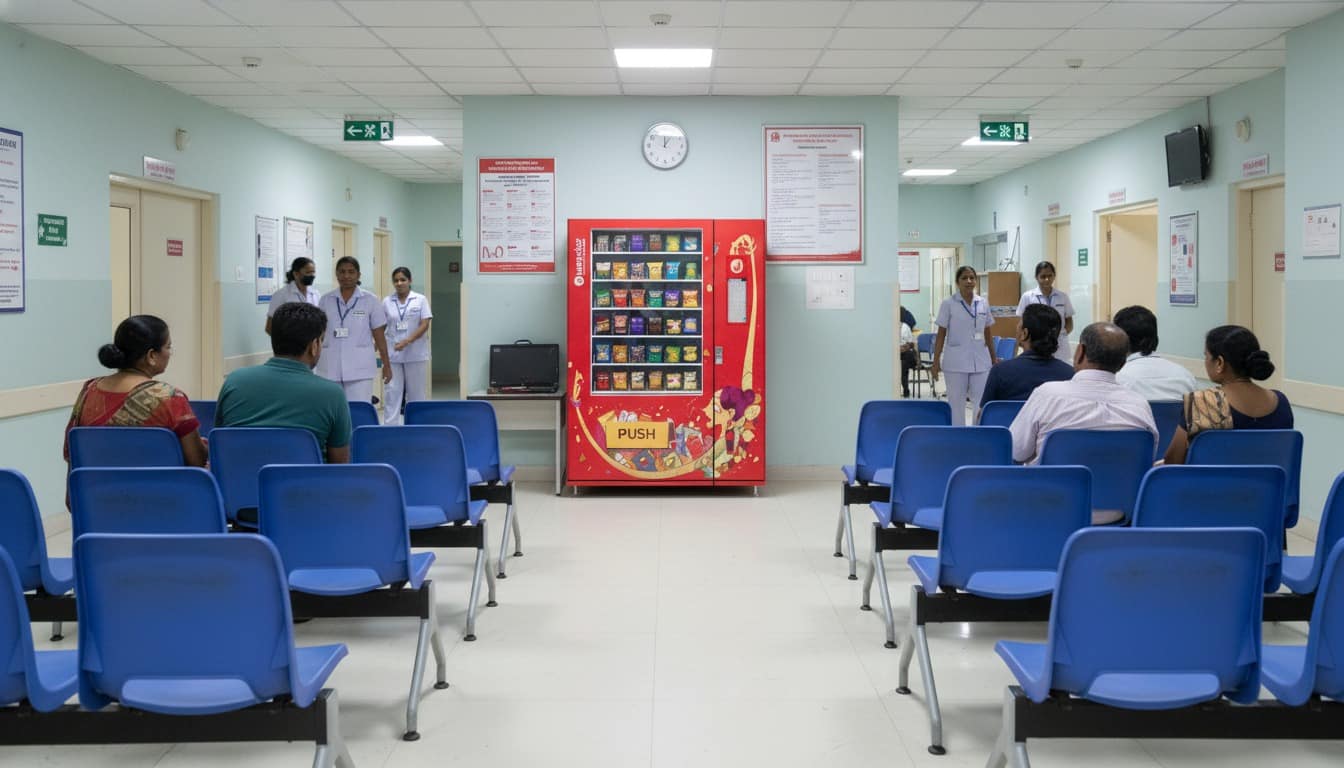
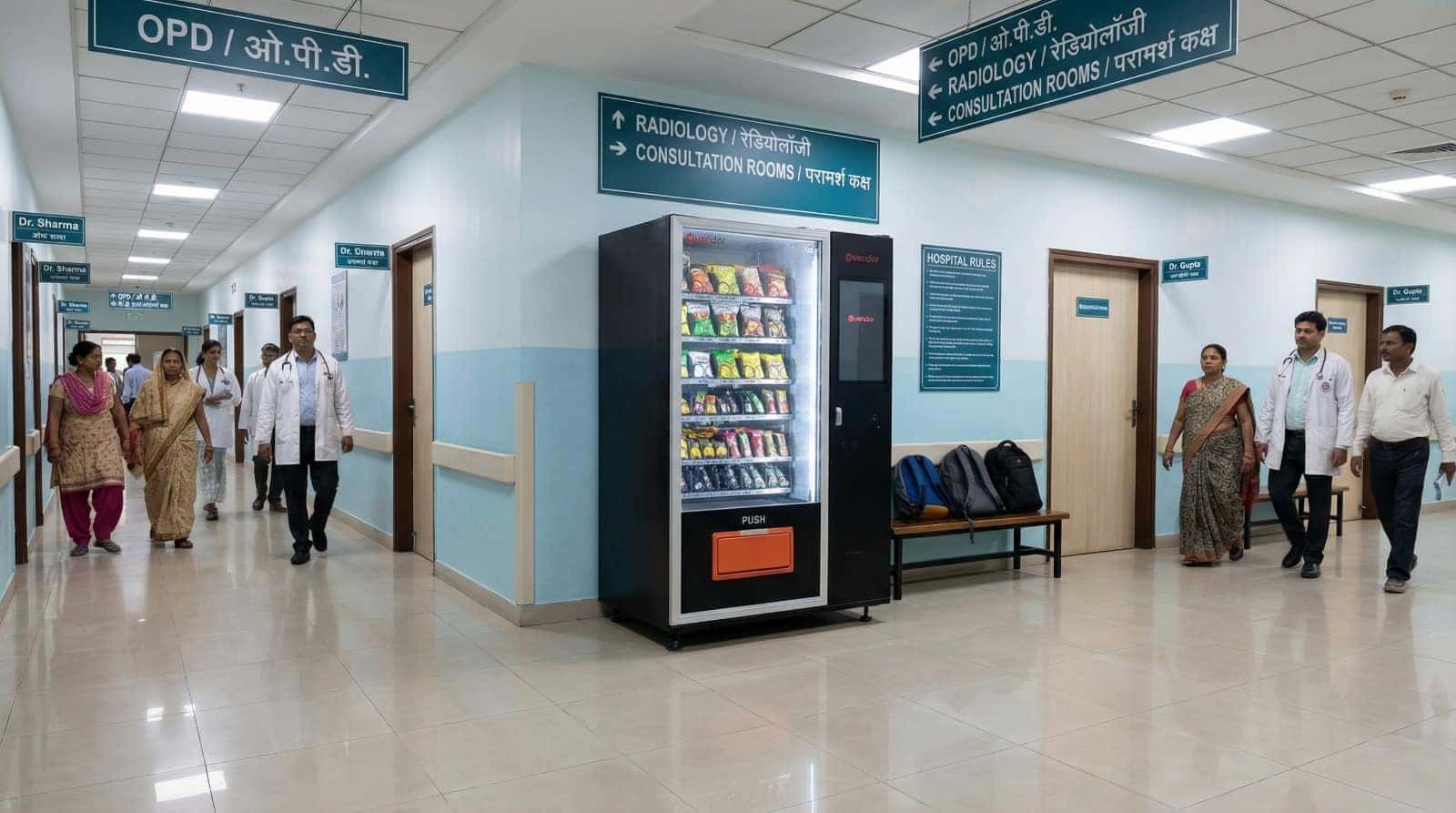
A reliable 24/7 convenience layer for visitors, patients’ families and shift staff, with cashless access, a disciplined product range and live visibility.
Vending in Philippines
Running vending machines in the Philippines
In the Philippines, GCash and Maya have made phone payments part of daily life, and QR Ph lets one code accept both. Operators need the usual trio of DTI or SEC registration, a Mayor’s permit and BIR registration.
How people pay in the Philippines
Wallet payments are now common in Metro Manila and major cities; cash is still used elsewhere.
- GCash and Maya
- The two dominant e-wallets.
- QR Ph
- The national interoperable QR standard.
- Cards
- Visa and Mastercard for offices, hotels and airports.
Licences and rules
- Business registration
- DTI (sole proprietors) or SEC (companies), plus a Mayor’s or business permit from the city or municipality.
- BIR registration
- Register with the Bureau of Internal Revenue and issue official receipts.
- FDA
- Food products sold must be FDA-registered, and some operations need an FDA licence to operate.
- VAT
- VAT is 12% for VAT-registered businesses.
Pricing and tax
Philippine projects are budgeted in pesos by machine type and payment setup.
- Landed cost includes freight, import duty and VAT.
- Wallet payments reduce cash handling and theft risk.
- Metro Manila offices and BPO sites are strong first placements.
On the ground
- Power
- 220 V at 60 Hz. Confirm the machine’s power specification for 60 Hz supply.
- Climate
- Heat, humidity and typhoon season: place machines indoors with surge protection.
- How we support the rollout
- Our international team scopes the project with you, and every machine reports stock, sales and faults in real time. Most issues are diagnosed remotely, and you see the same dashboard we do.
Where first machines usually go
- BPO and call centres24/7 shifts make vending essential.
- Offices and condosConvenience in towers.
- HospitalsStaff and visitors at all hours.
- UniversitiesStudents paying by GCash or Maya.
This is a planning guide, not legal or tax advice. Rules and rates change, so confirm current requirements with the authority named before you launch. Which payment methods a machine accepts depends on the payment terminal and gateway chosen for your sites.
FAQ
Vending machines for hospitals: common questions
Questions hospital and clinic teams ask before a rollout.
