
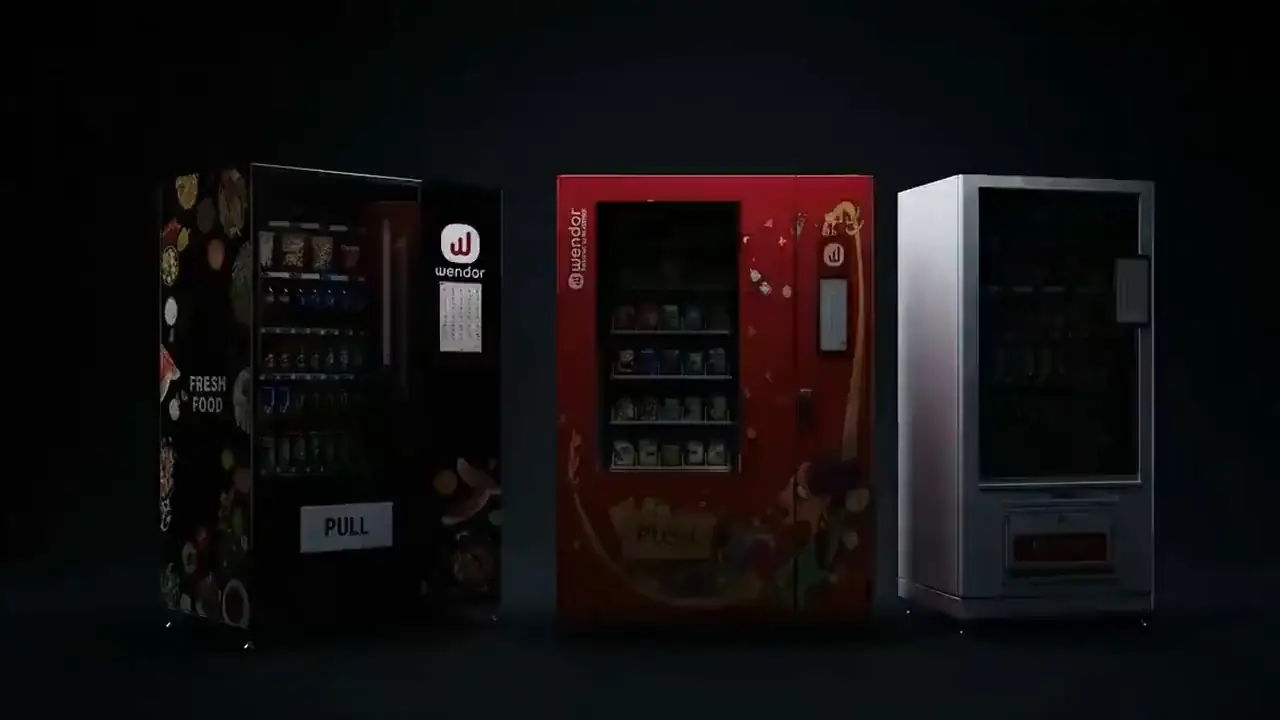
Transportation Hub
Smart vending solutions built for real-world operations.
Our clients
Organisations whose sites host Wendor machines










Transit challenge
Transit needs speed and all-hour access.
Passengers buy when they are rushed, waiting or transferring. Short decision windows need simple self-service right next to where people move.
Fragmented or slow retail
- Rushed passengers abandon slow purchases.
- Early and late hours still need service when kiosks are closed.
- Basics are scattered across a large terminal or station.
Wendor transit layer
- Fast browsing and cashless checkout at the point of need.
- Travel-relevant products in visible, credible spots.
- Stock and service visibility for rush and off-peak hours.
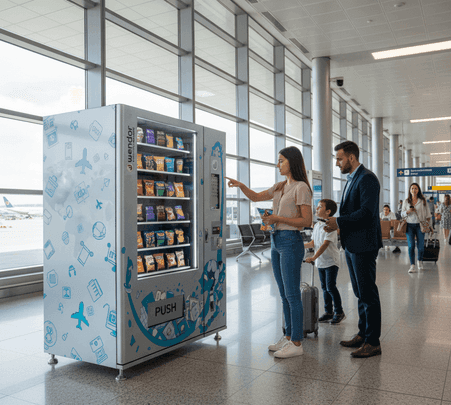
Why Wendor fits transport hubs
Built for fast transit purchases.
Quick discovery, cashless payment and merchandising tuned for busy, moving crowds.
-
Fast product discovery
Passengers see what the machine sells, find the right product and pay without friction.
-
Cashless-only readiness
Digital checkout fits airports, metro systems and stations where speed matters.
- Tap-to-pay cards, wallets and QR codes passengers already use.
- Shorter queues at the machine.
-
Operator visibility
High-footfall sites need control over stock and service so machines stay ready in rush and off-peak hours.
Smart capabilities
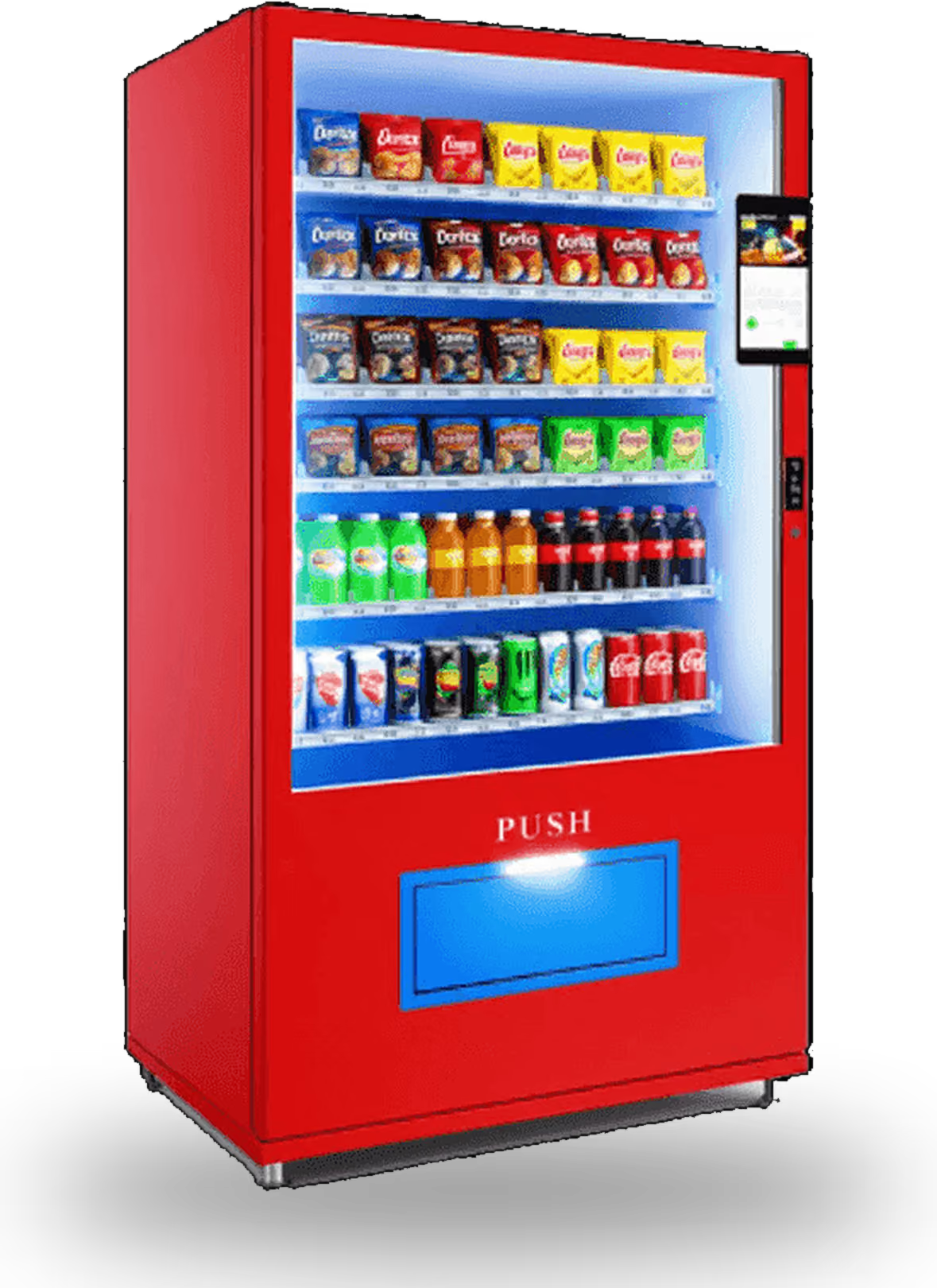
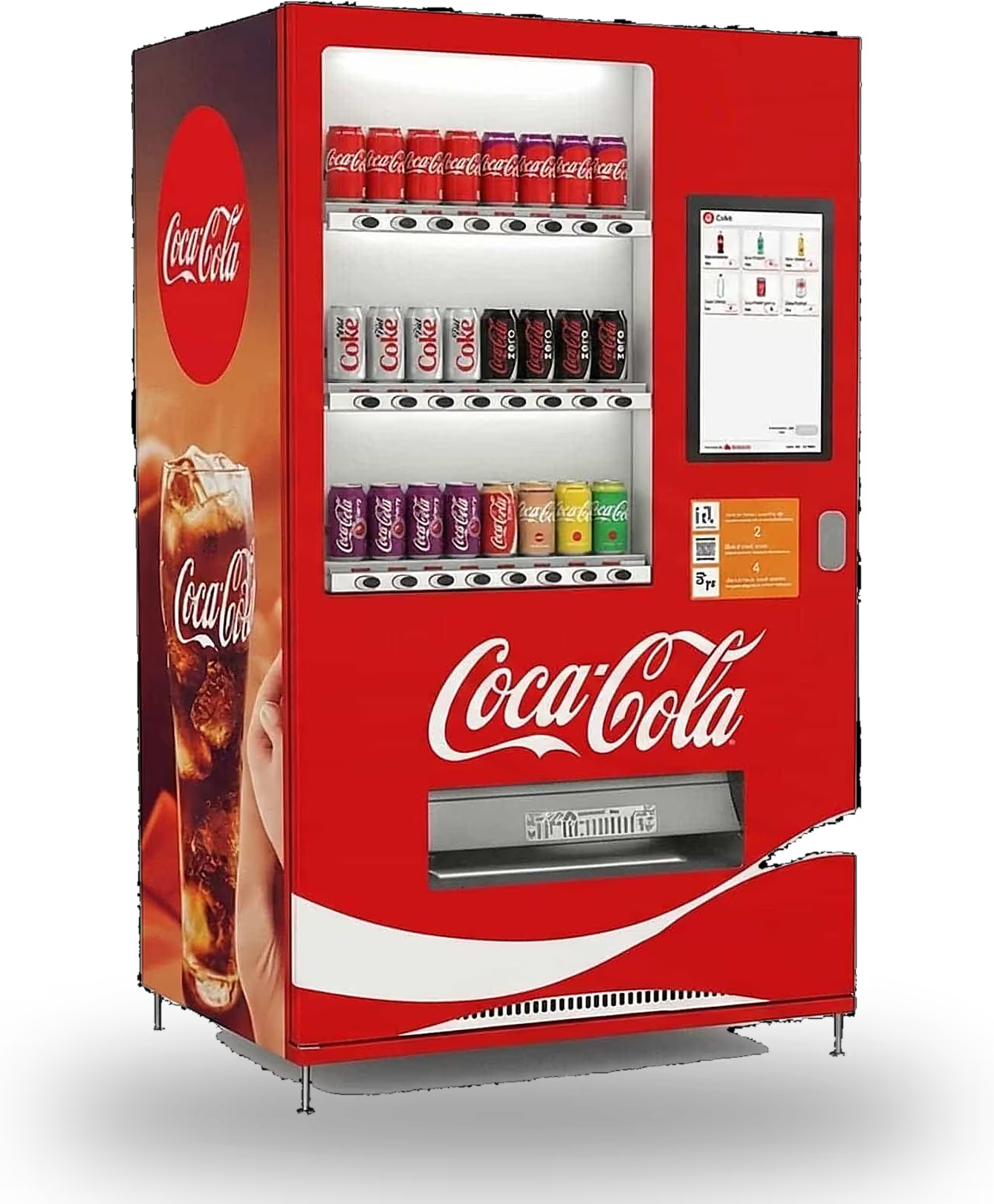
Features for transit environments.
-
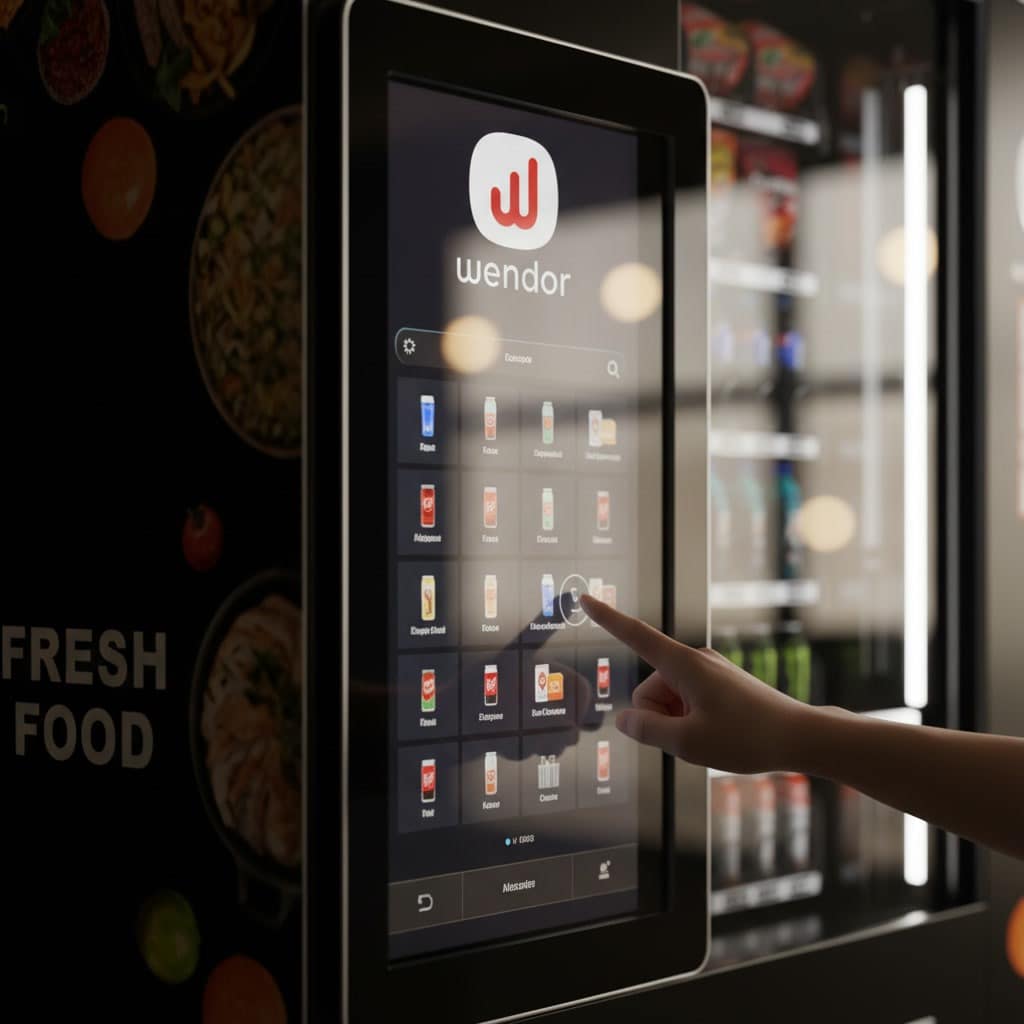
Fast discovery
Clear categories for passengers in a hurry.
-
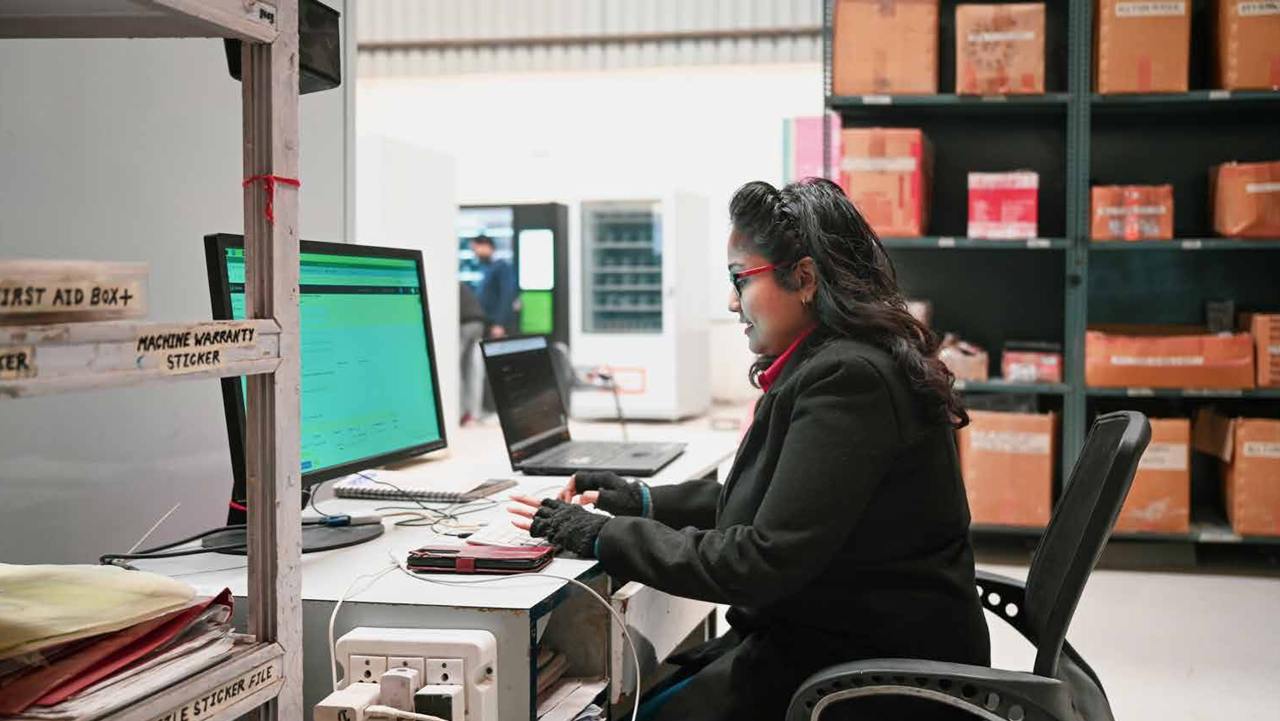
Cashless throughput
Tap, wallet and QR checkout.
-
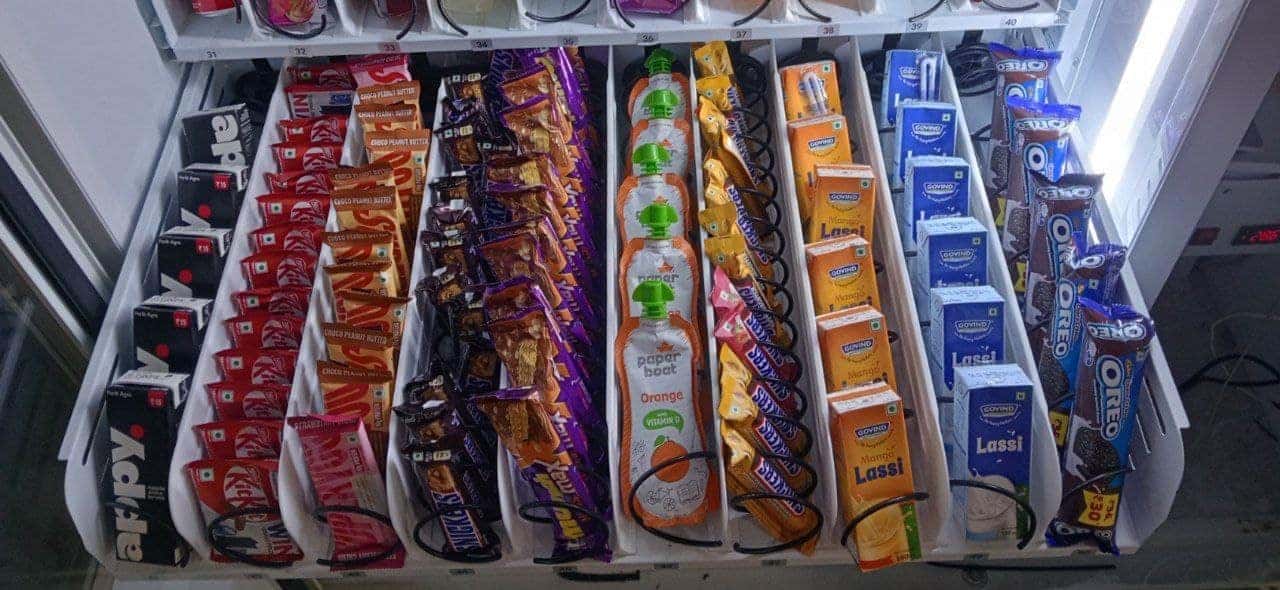
Travel-relevant range
Water, snacks, accessories and compact essentials.
-
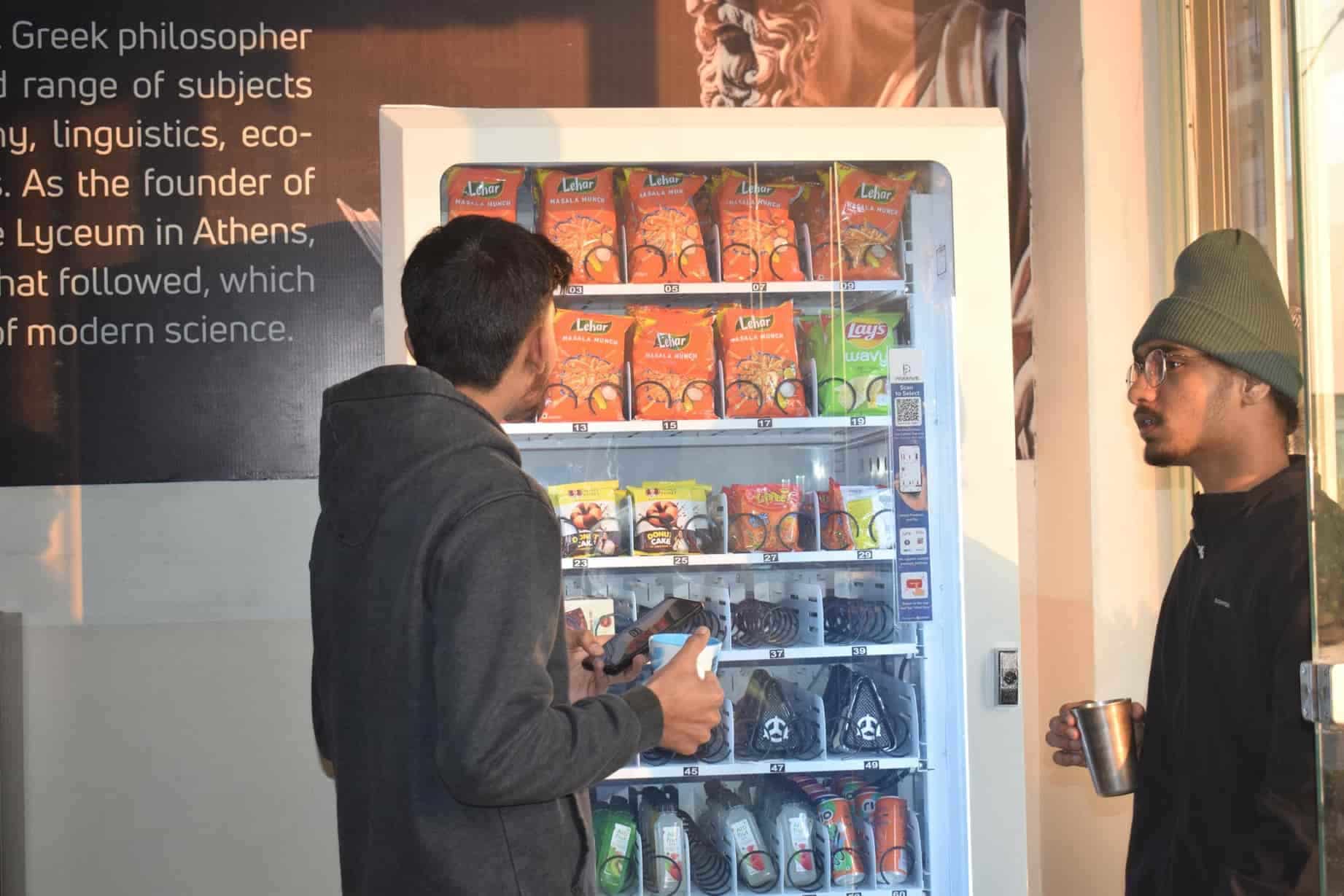
Built for repeat use
Presentable machines for high-footfall public areas.
Deployments
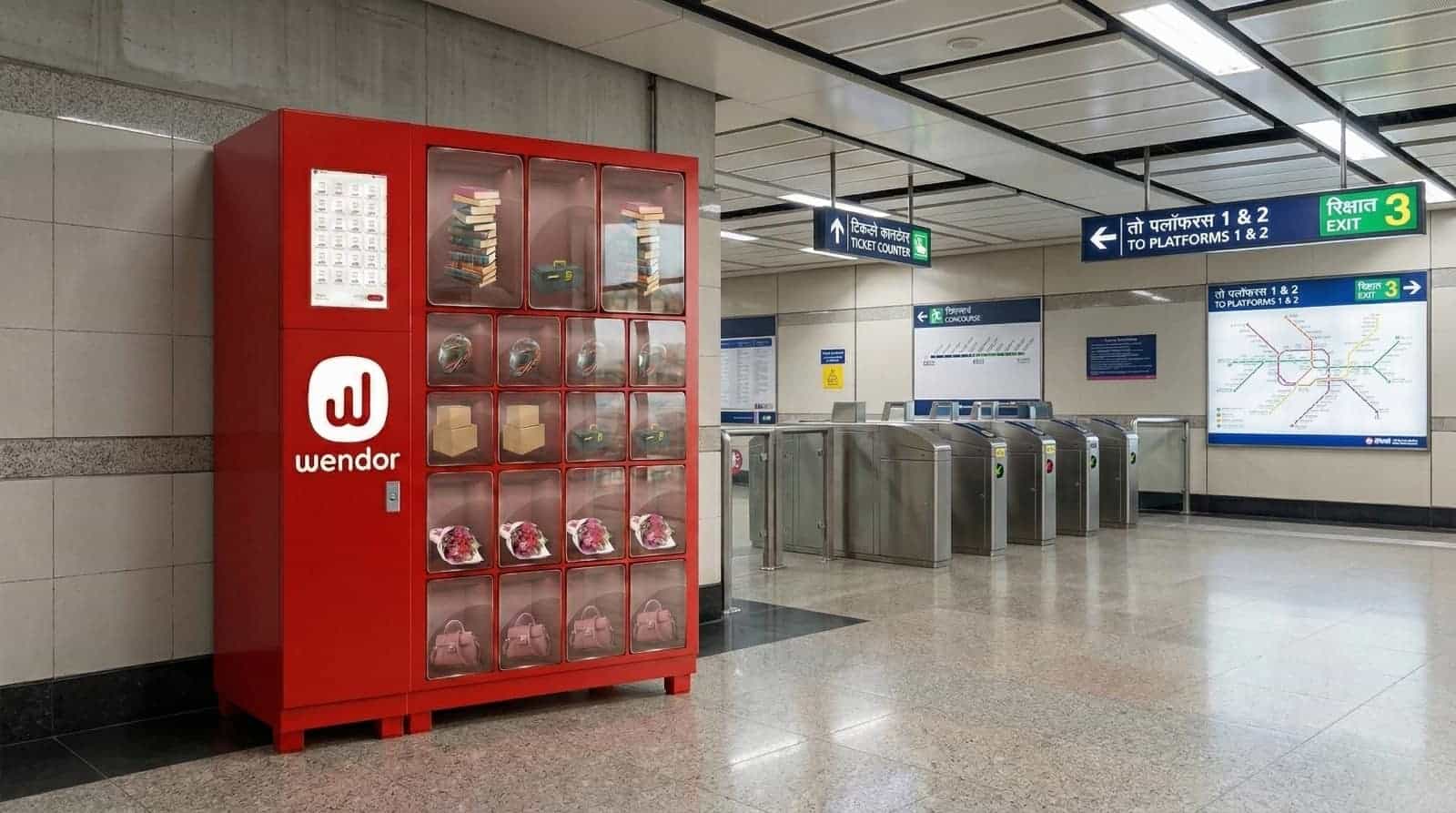
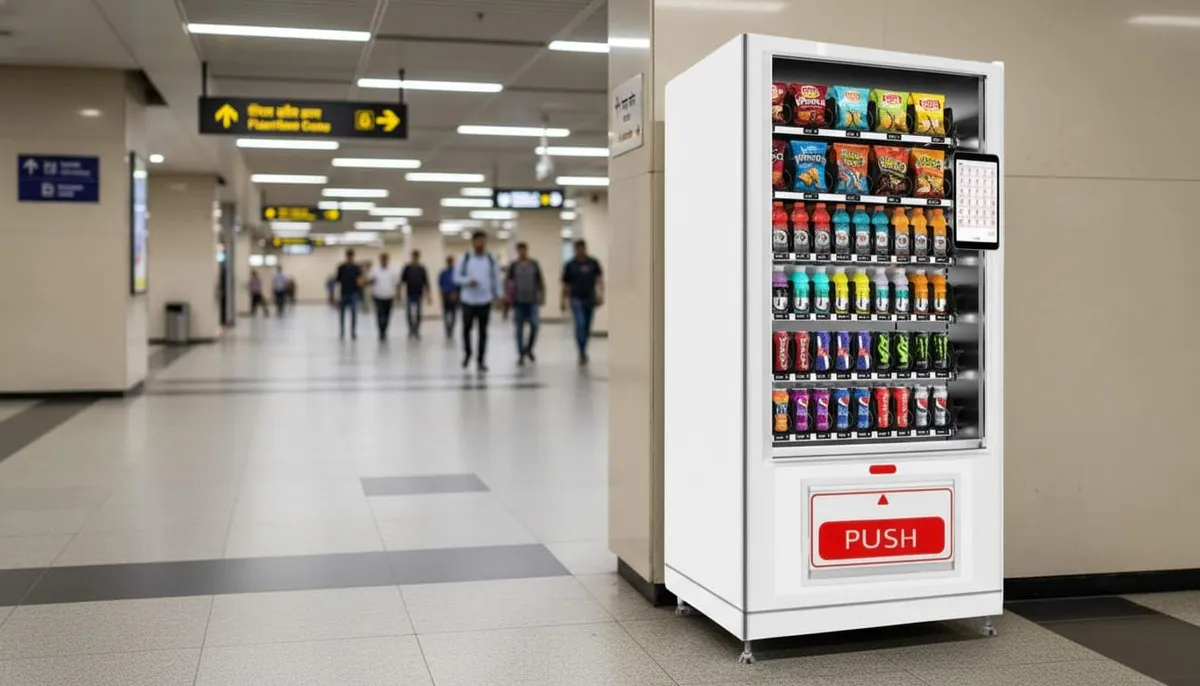
Transit vending in action.
Concourse, waiting-area and walkway placements for urgent and repeat demand.
.BzZc0x5R.jpeg)
.CRnu0_2r.jpeg)
Airports, rail, metro and bus terminals: grab-and-go demand served by a clean self-service layer for drinks, snacks and travel essentials.
Vending in Nepal
Running vending machines in Nepal
In Nepal, QR payments have overtaken cards for everyday purchases, so a machine that can’t take eSewa, Khalti or Fonepay misses most buyers. Machines come in from India, so landed cost and customs clearance are part of every plan.
How people pay in Nepal
Scan-to-pay is how Nepal pays in shops, and the same habit works at a machine.
- Fonepay QR
- The interoperable QR used by most Nepali bank apps.
- eSewa and Khalti
- The two largest digital wallets.
- Cards
- Visa and Mastercard for hotels, airports and visitors.
Licences and rules
- Company and tax registration
- Register the business with the Office of the Company Registrar and get a PAN/VAT number from the Inland Revenue Department.
- Food quality
- Packaged food must meet the Department of Food Technology and Quality Control’s labelling and quality standards.
- VAT
- VAT is 13% once you are registered.
- Customs
- Machines imported from India clear Nepali customs; plan duty and clearance time into the budget.
Pricing and tax
A broad planning range is NPR 2,00,000 to NPR 10,00,000 per machine, depending on type, cooling and payment hardware.
- Landed cost = machine price + freight from India + customs duty + 13% VAT.
- Shipping by road from India keeps lead times shorter than sea freight from further away.
- Starting with one or two machines in Kathmandu Valley is the usual pilot.
On the ground
- Power
- 230 V, 50 Hz. Load-shedding is rare now, but surge protection is still recommended.
- Altitude and cold
- Ambient machines suit most sites; chilled units need less cooling for much of the year outside the Terai.
- How we support the rollout
- Our international team scopes the project with you, and every machine reports stock, sales and faults in real time. Most issues are diagnosed remotely, and you see the same dashboard we do.
Where first machines usually go
- Hospitals and clinicsVisitors and staff at all hours.
- Colleges and hostelsStudents paying by QR.
- Offices and banksStaff snacks and drinks.
- Airports and bus terminalsTravellers and tourists.
This is a planning guide, not legal or tax advice. Rules and rates change, so confirm current requirements with the authority named before you launch. Which payment methods a machine accepts depends on the payment terminal and gateway chosen for your sites.
FAQ
Vending machines for stations and airports: common questions
Questions from airport, rail, metro and terminal operators.
