
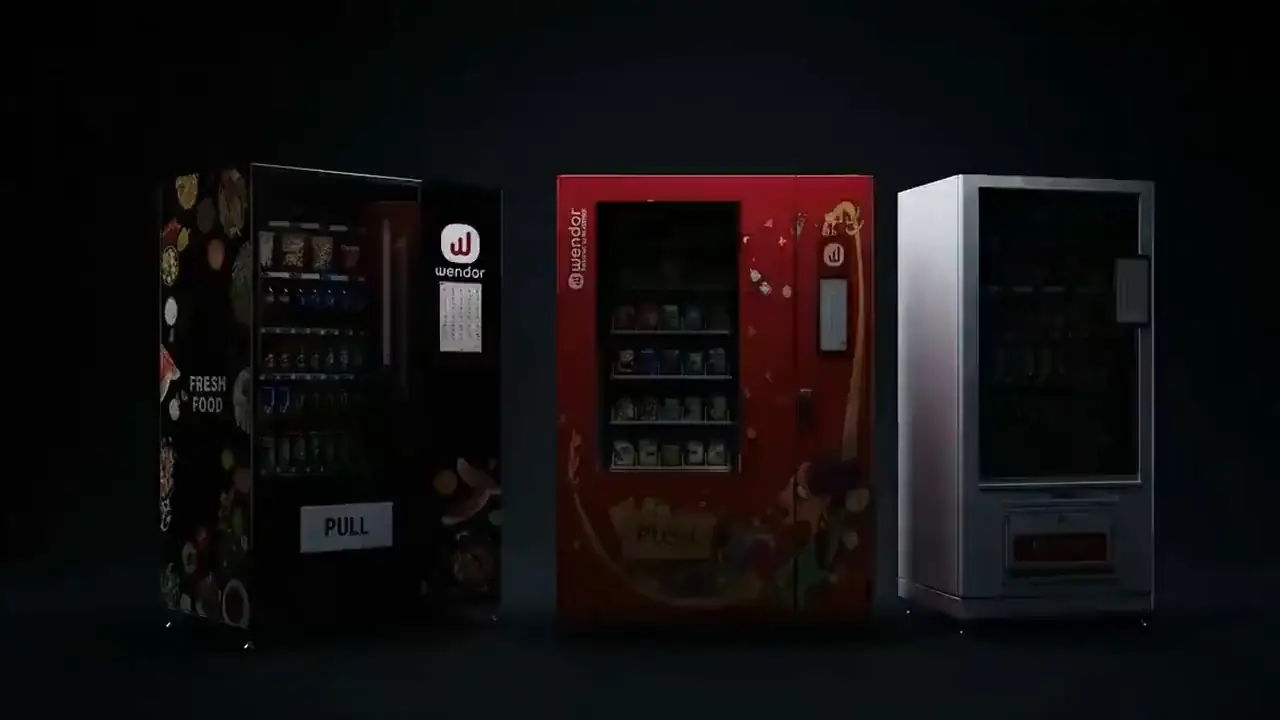
Smart Campus
Smart vending solutions built for real-world operations.
Our clients
Organisations whose sites host Wendor machines










Campus challenge
Why campuses are switching to smart vending.
Traditional food service can be slow, expensive and hard to scale. Smart vending gives schools and universities a faster, cleaner and more controllable option.
Traditional campus cafeteria
- Long queues eat into short breaks between classes.
- Limited opening hours leave evening and weekend demand unserved.
- Staffing and running costs add management overhead.
Wendor smart vending layer
- Instant self-service with little or no queueing.
- 24/7 access that supports student life beyond cafeteria hours.
- Lean operations with clear data and dependable revenue.
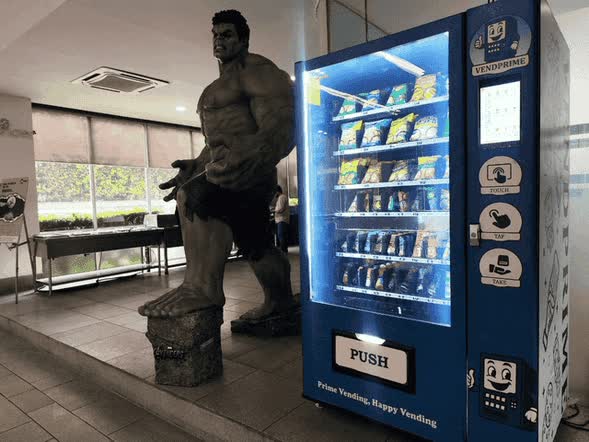
Business outcomes
Why campuses choose Wendor.
Wendor helps campuses improve convenience, keep service quality high and run food retail with better consistency and control.
-
A revenue stream that runs itself
Machines capture demand that already exists on campus, from early lectures to late study sessions, and the income can support student programmes.
-
A modern campus hub
Self-service retail upgrades the student experience without the upkeep of a staffed outlet.
- 24/7 access during late-night study and exam weeks.
- Minimal upkeep compared with a cafeteria counter.
-
Instant access, zero friction
Easy access to snacks and drinks keeps students focused and improves day-to-day campus life.
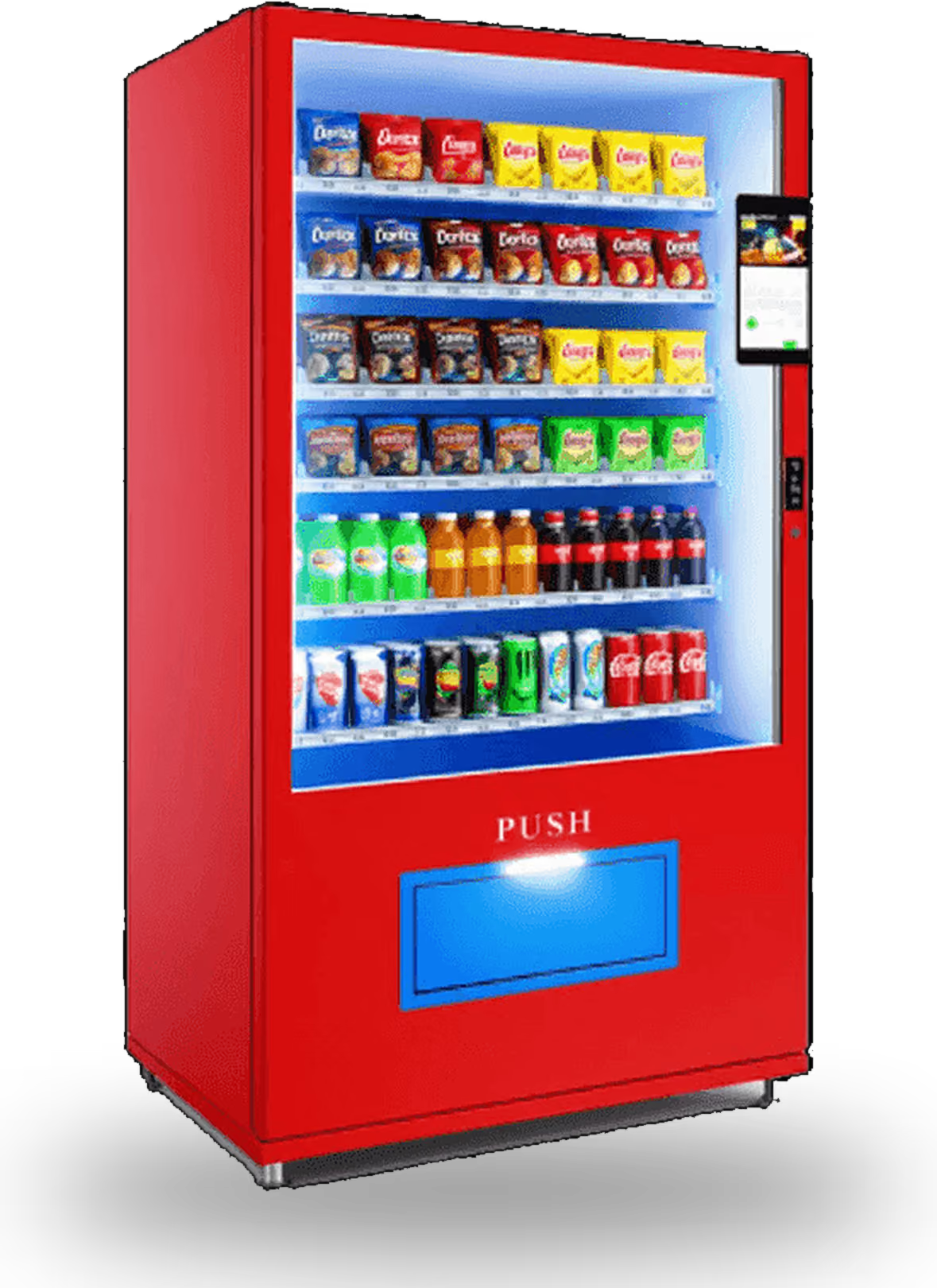
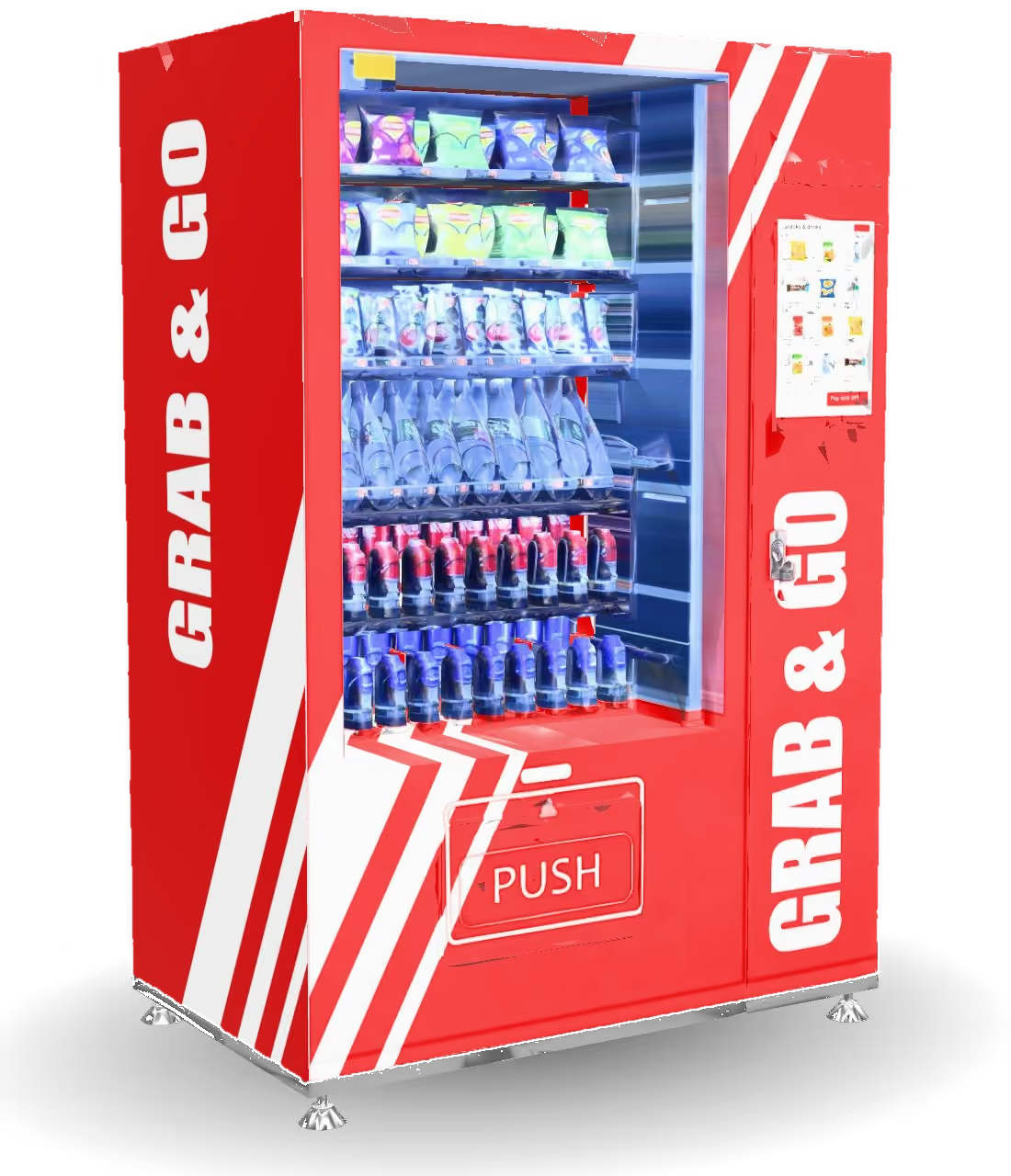
Smart capabilities
Features for better campus operations.
-
Cashless payments
Cards, mobile wallets and QR codes.
-
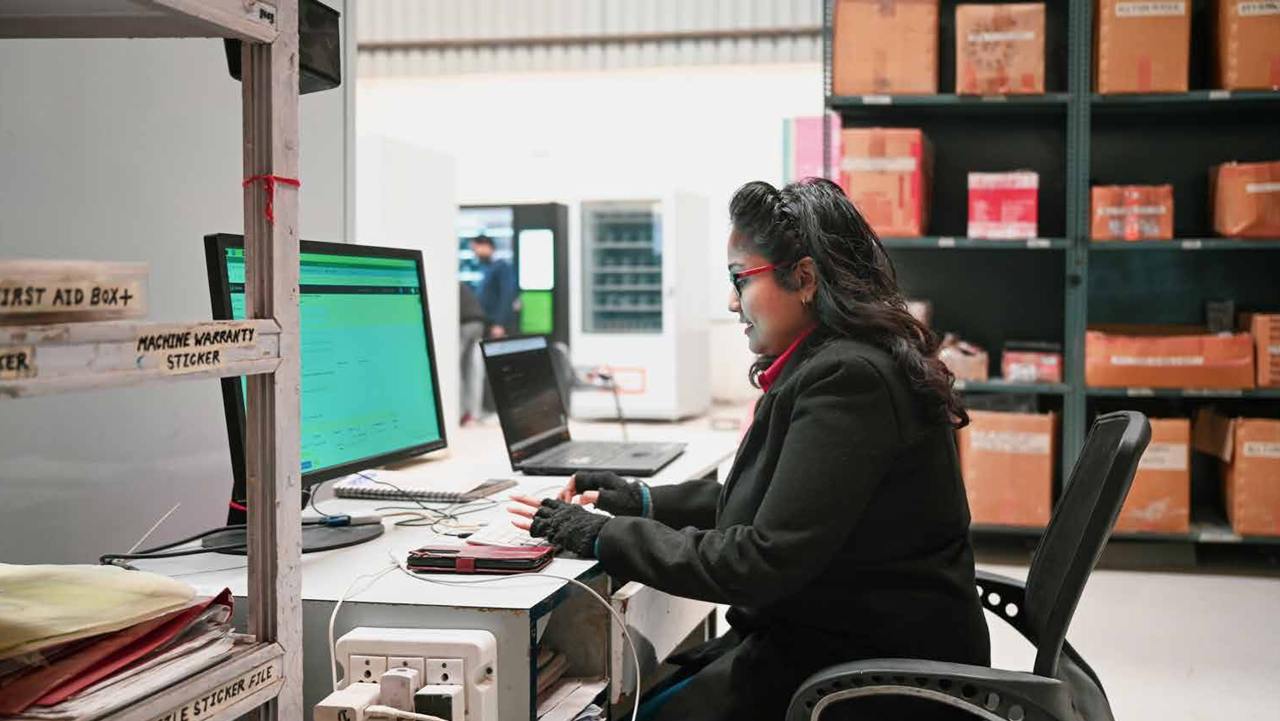
Live inventory tracking
Always stocked, rarely sold out.
-
.B9NxL8Yx.jpeg)
Smart recommendations
Promote the products students buy most.
-
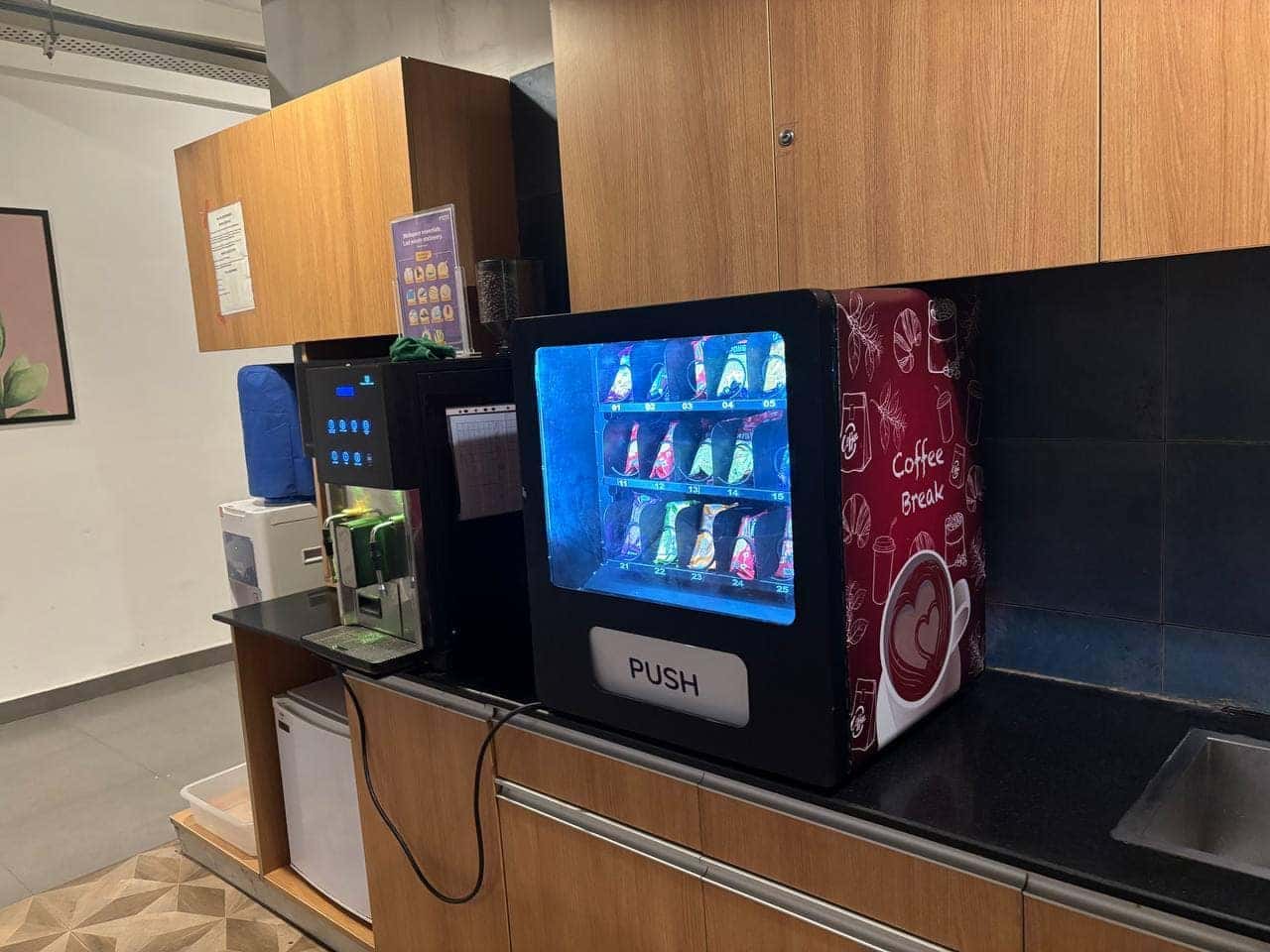
Energy-efficient machines
Lower electricity costs.
Campus deployments
Campus vending in action.
Real campus deployments showing faster service and student-first retail access.
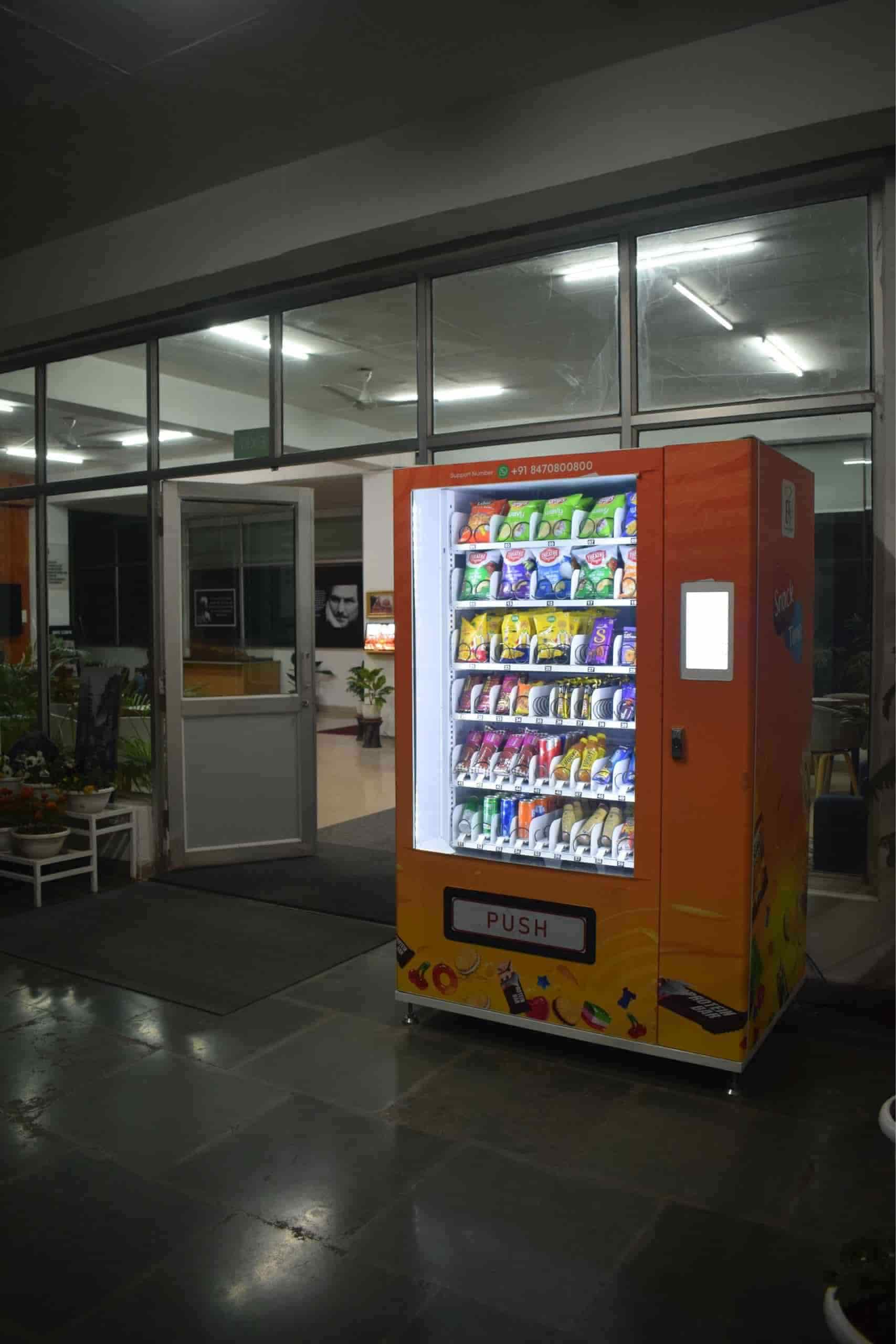
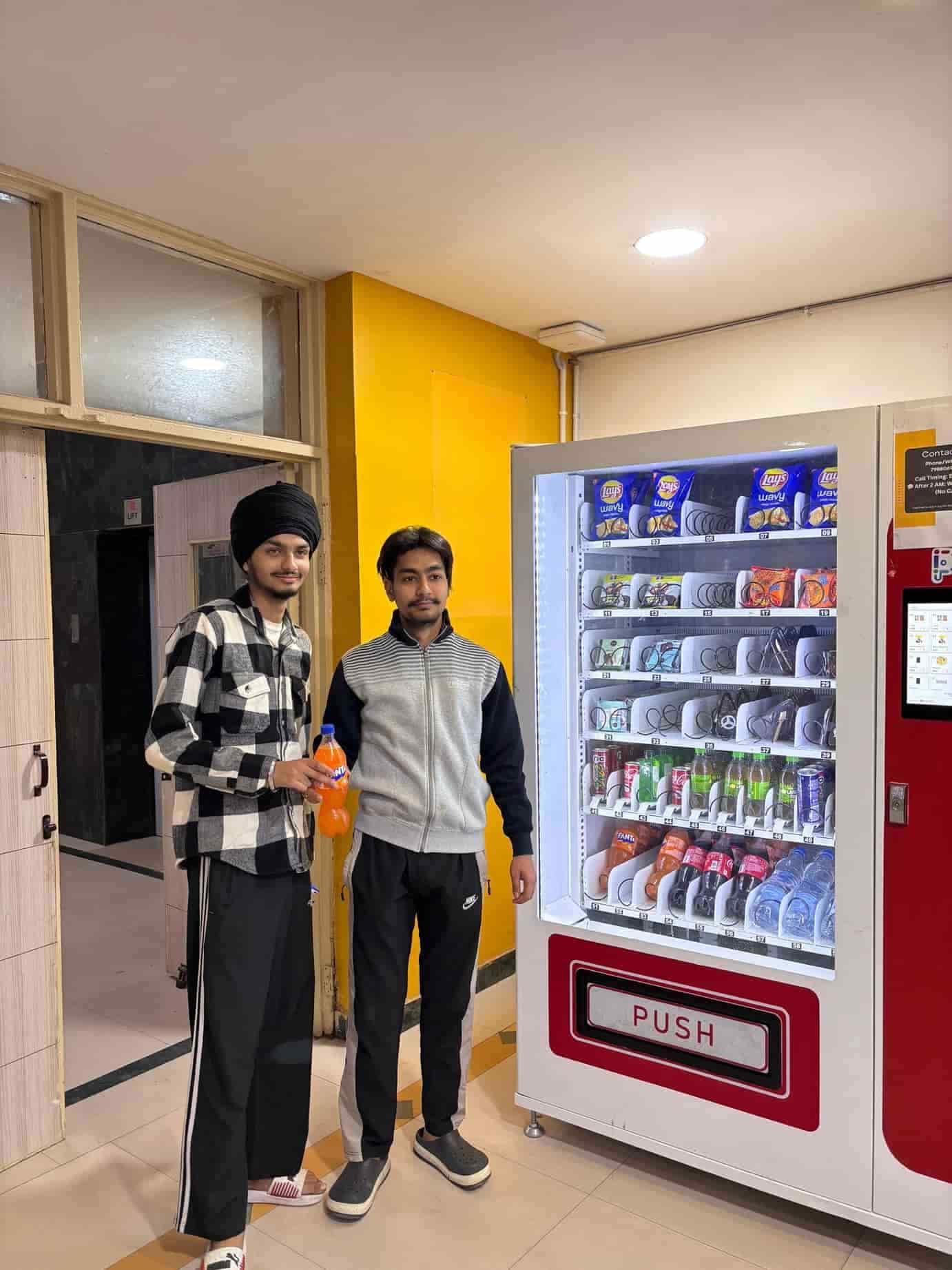
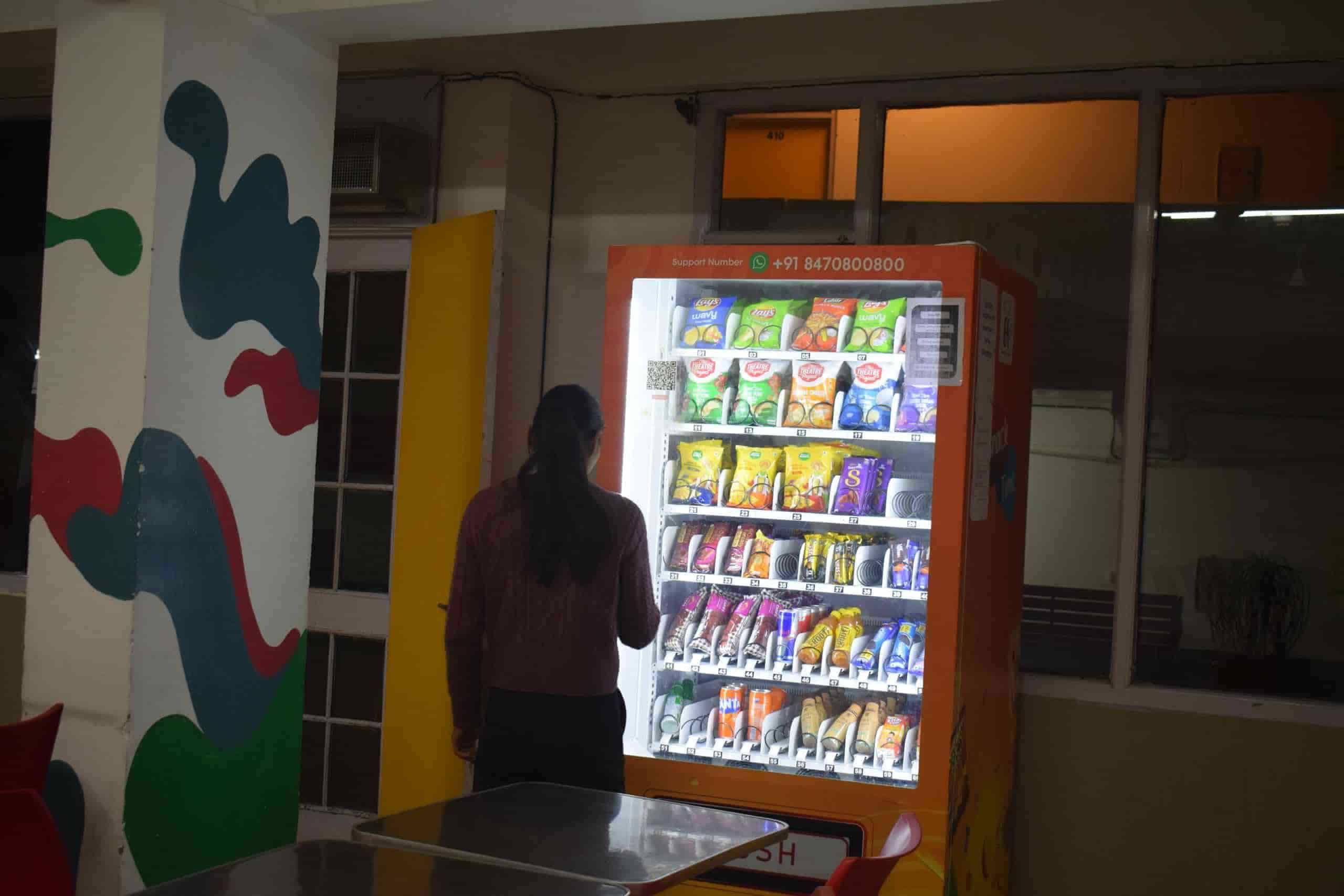
Give students and staff 24/7 access to trusted snacks and drinks while your institution gains control and cleaner operations.
Vending in Saudi Arabia
Running vending machines in Saudi Arabia
Saudi Arabia’s cashless shift has been fast, and mada tap-to-pay is now the everyday way to pay. For operators, the checklist is longer than elsewhere in the Gulf: SFDA food rules, municipal (Balady) licensing, SABER product conformity and ZATCA e-invoicing.
How people pay in Saudi Arabia
Most small retail payments in the Kingdom are cashless, and mada, the national debit network, carries the largest share.
- mada
- The national debit network, used by almost every Saudi bank card, including tap-to-pay.
- Apple Pay
- Very widely used, usually with a mada card behind it.
- Visa and Mastercard
- Credit cards and cards issued abroad.
- STC Bank and other wallets
- Popular with younger shoppers; support depends on the payment gateway.
Licences and rules
- SFDA
- The Saudi Food and Drug Authority sets the rules for food products, labelling and storage.
- Municipal licence (Balady)
- Each placement usually needs a municipal licence through the Balady platform.
- SABER conformity
- Imported electrical equipment, including vending machines, needs SABER registration and conformity certificates.
- VAT and e-invoicing
- VAT is 15%, and businesses must issue ZATCA-compliant electronic invoices.
- Foreign ownership
- Foreign-owned operators need a Ministry of Investment licence before commercial registration.
Pricing and tax
Saudi quotes are in SAR and depend on machine class, payment hardware, cooling and installation.
- Plan the landed cost: machine, freight, customs duty, SABER certification and 15% VAT.
- Arabic on-screen text and labels are expected in public sites.
- Multi-site programmes (hospitals, universities, government campuses) are priced as a rollout, not per machine.
On the ground
- Power
- Saudi Arabia uses 230 V at 60 Hz. Confirm the machine’s power specification for 60 Hz supply before ordering.
- Heat
- Place chilled machines indoors or in shaded, ventilated spots; summer peaks are extreme.
- Sales and support from Dubai
- Gulf projects are handled by our Dubai sales team (WhatsApp +971 52 2674620). Machines report stock, sales and faults in real time, so most issues are diagnosed remotely before anyone is sent to site.
Where first machines usually go
- HospitalsLarge campuses with 24/7 staff and visitors.
- UniversitiesSeparate male and female campuses often mean more machines per university.
- Malls and entertainment venuesNew entertainment and leisure projects add high-footfall sites every year.
- Offices and government buildingsStaff convenience with cashless checkout.
This is a planning guide, not legal or tax advice. Rules and rates change, so confirm current requirements with the authority named before you launch. Which payment methods a machine accepts depends on the payment terminal and gateway chosen for your sites.
FAQ
Vending machines for schools and universities: common questions
Quick answers on fit, operations and campus-ready vending.
