
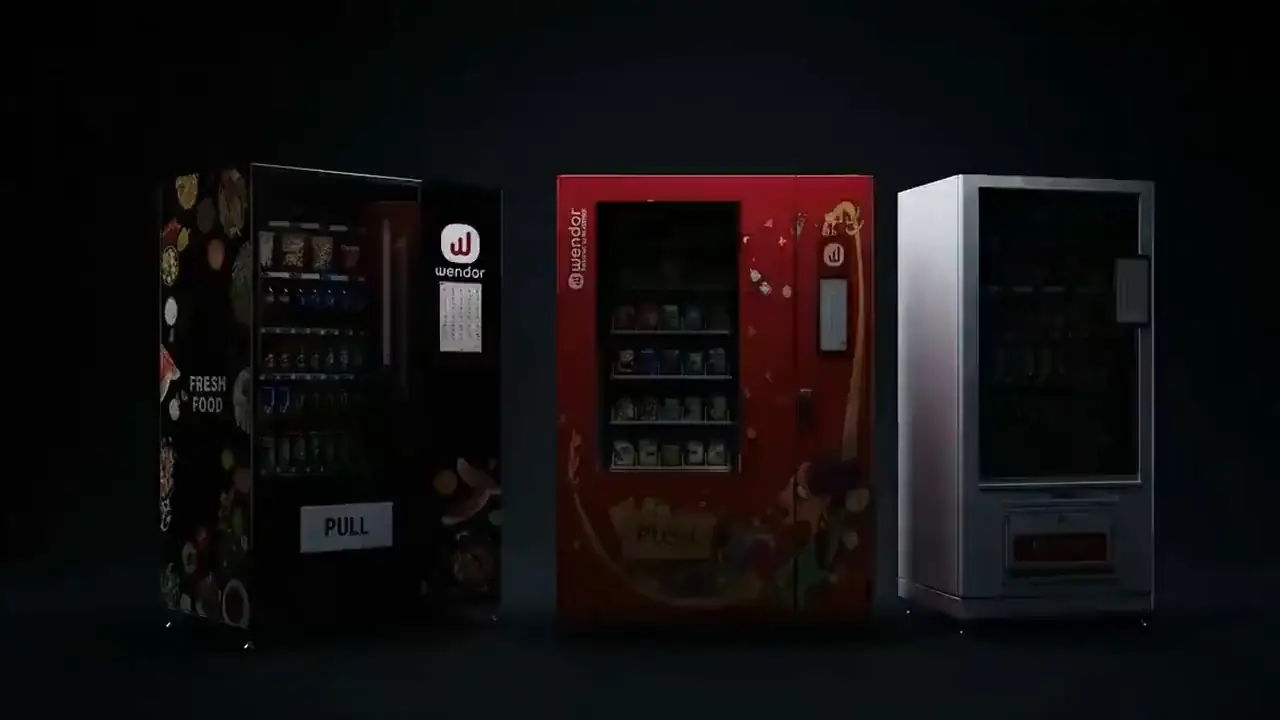
Transportation Hub
Smart vending solutions built for real-world operations.
Our clients
Organisations whose sites host Wendor machines










Transit challenge
Transit needs speed and all-hour access.
Passengers buy when they are rushed, waiting or transferring. Short decision windows need simple self-service right next to where people move.
Fragmented or slow retail
- Rushed passengers abandon slow purchases.
- Early and late hours still need service when kiosks are closed.
- Basics are scattered across a large terminal or station.
Wendor transit layer
- Fast browsing and cashless checkout at the point of need.
- Travel-relevant products in visible, credible spots.
- Stock and service visibility for rush and off-peak hours.
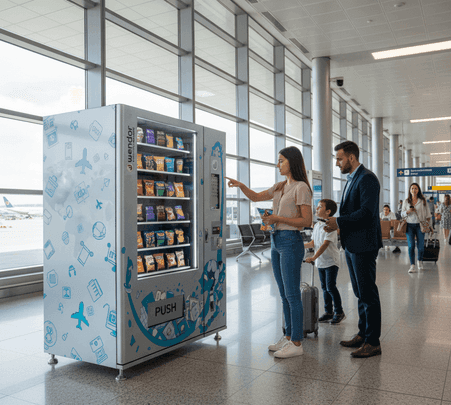
Why Wendor fits transport hubs
Built for fast transit purchases.
Quick discovery, cashless payment and merchandising tuned for busy, moving crowds.
-
Fast product discovery
Passengers see what the machine sells, find the right product and pay without friction.
-
Cashless-only readiness
Digital checkout fits airports, metro systems and stations where speed matters.
- Tap-to-pay cards, wallets and QR codes passengers already use.
- Shorter queues at the machine.
-
Operator visibility
High-footfall sites need control over stock and service so machines stay ready in rush and off-peak hours.
Smart capabilities
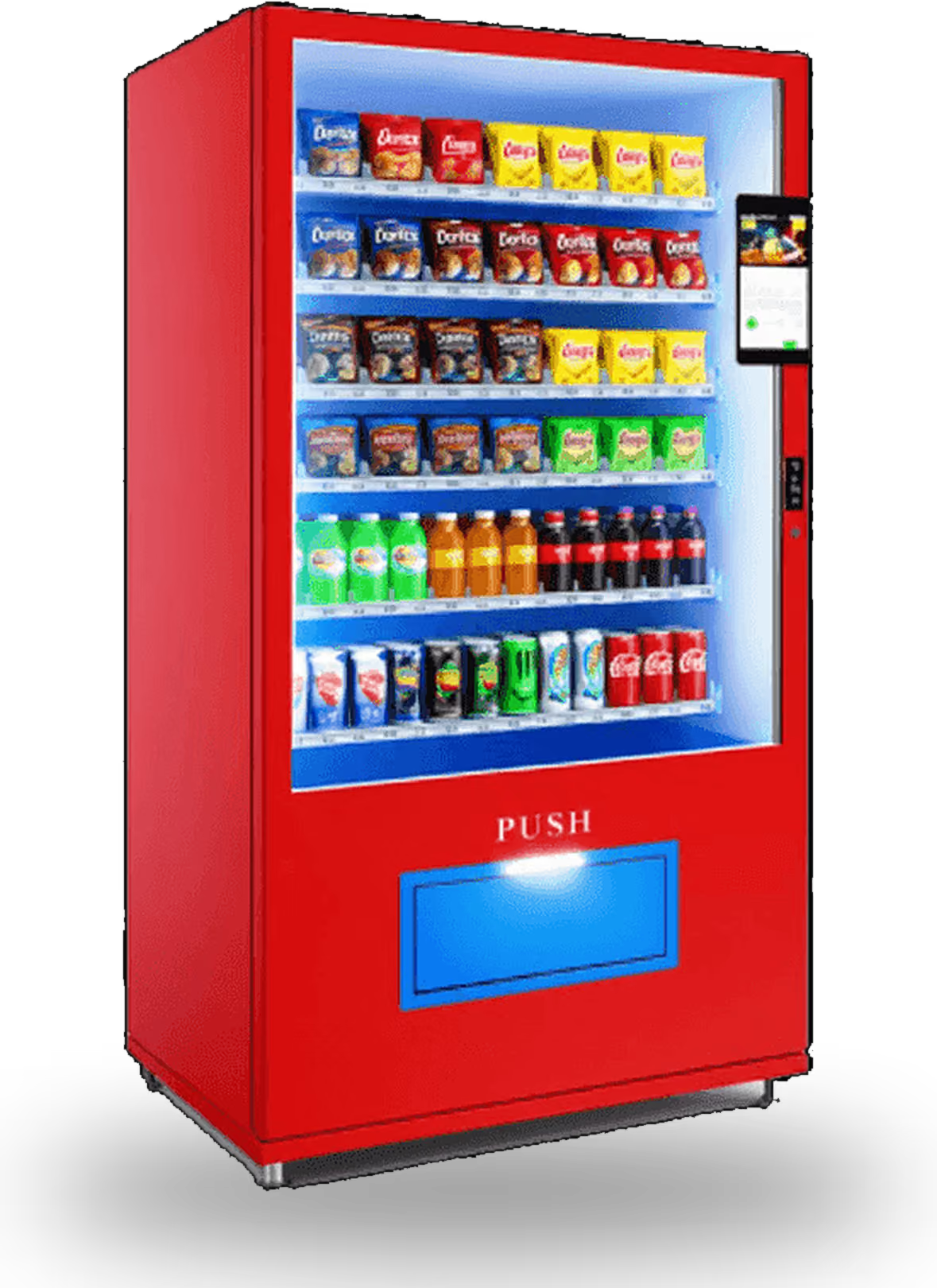
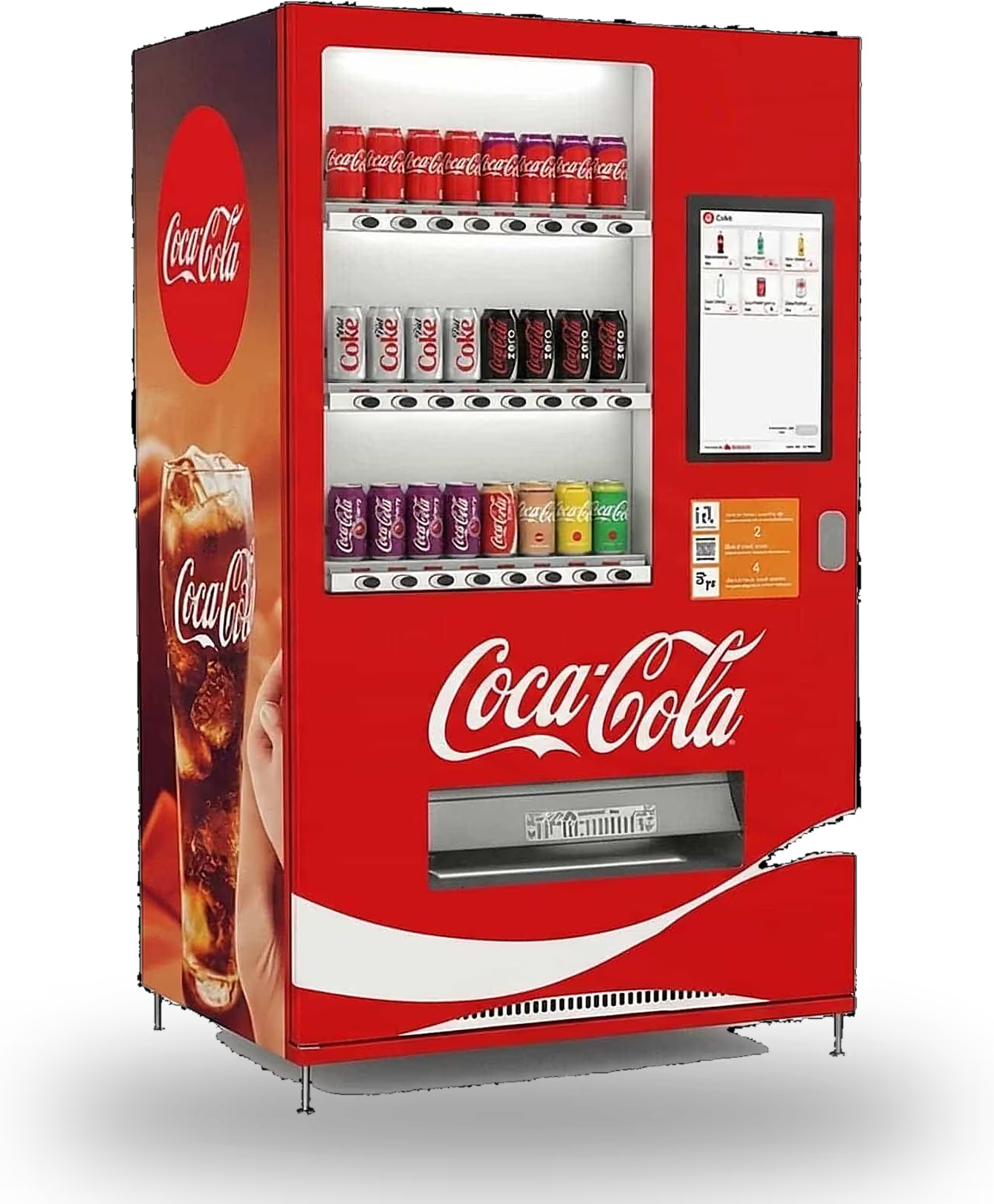
Features for transit environments.
-
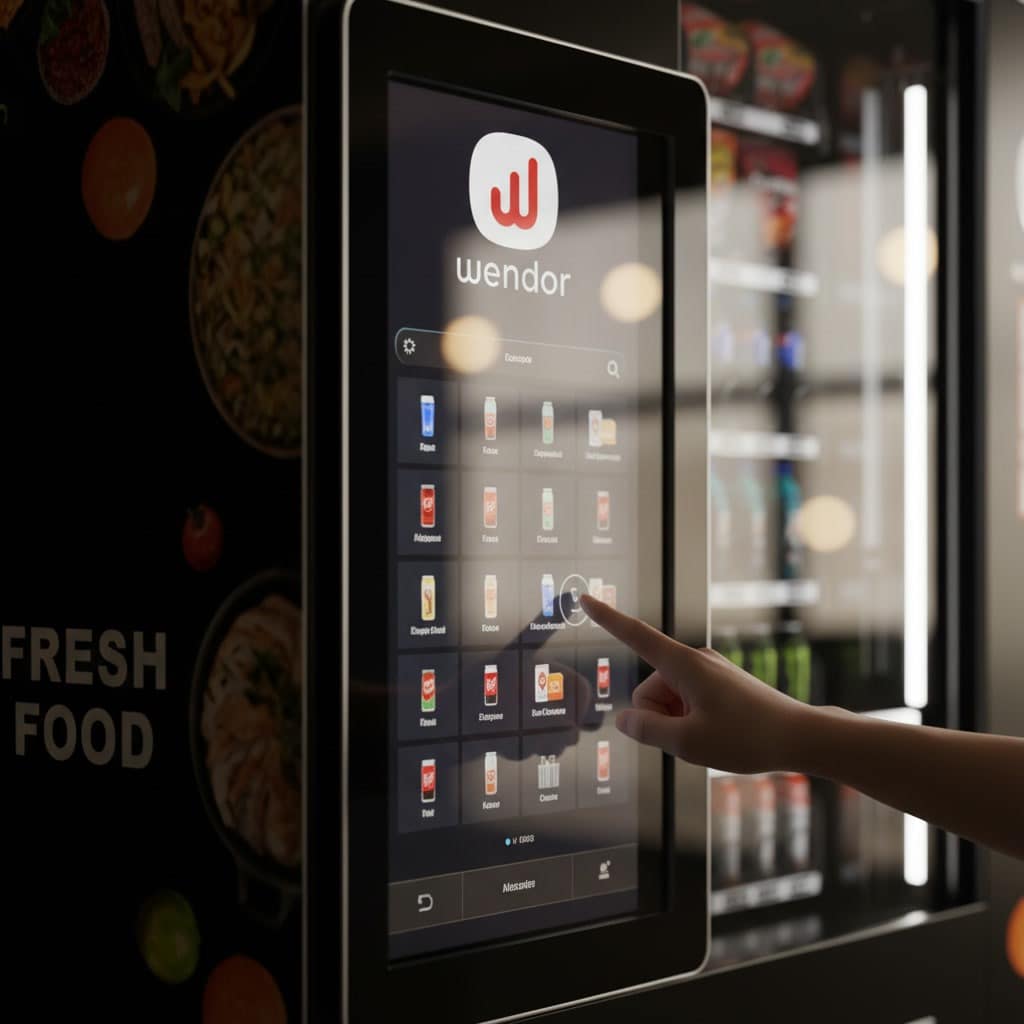
Fast discovery
Clear categories for passengers in a hurry.
-
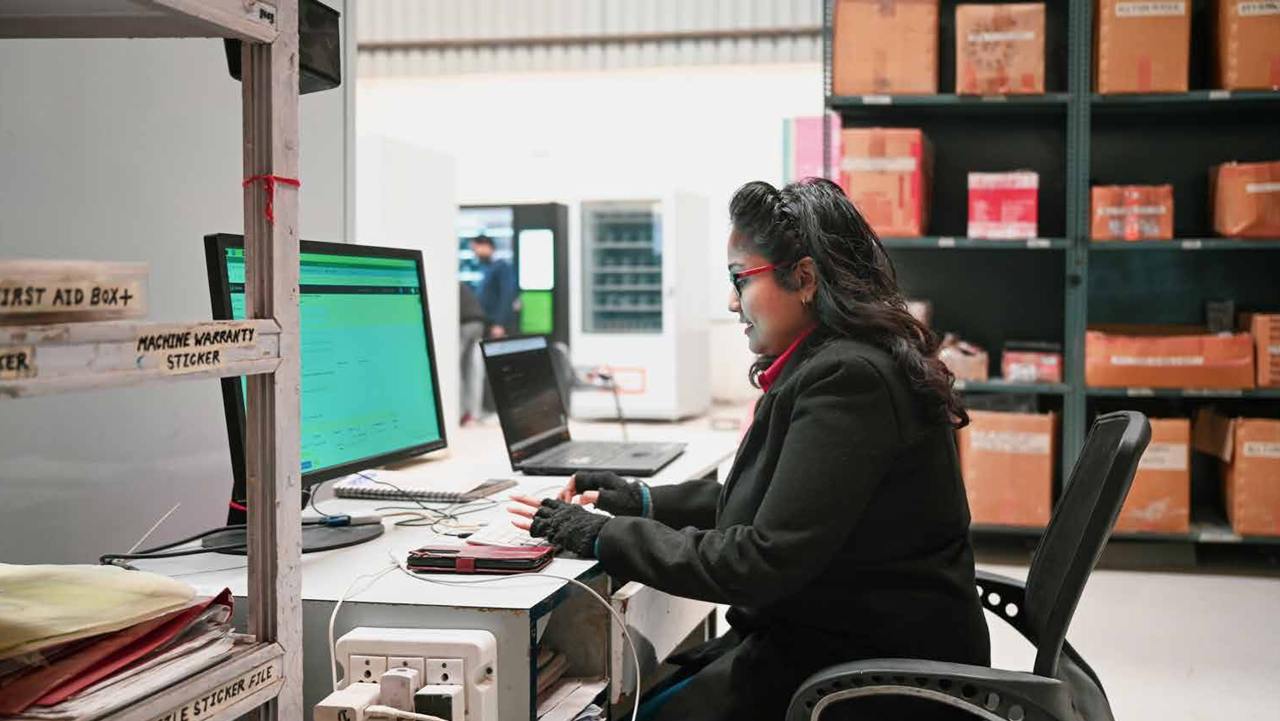
Cashless throughput
Tap, wallet and QR checkout.
-
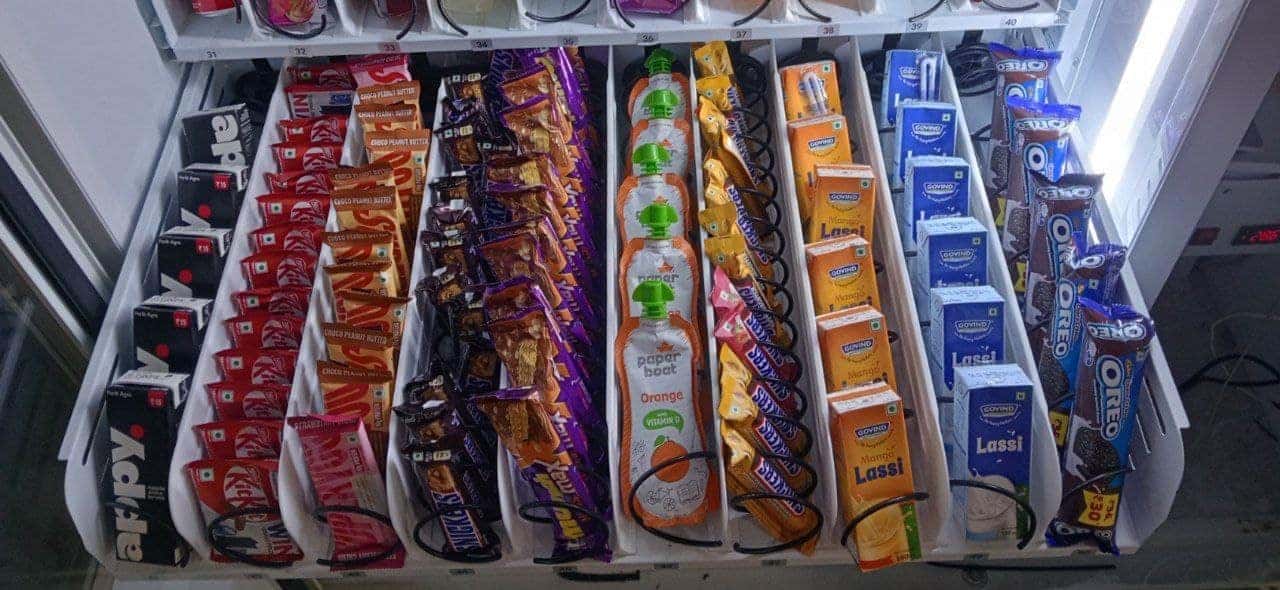
Travel-relevant range
Water, snacks, accessories and compact essentials.
-
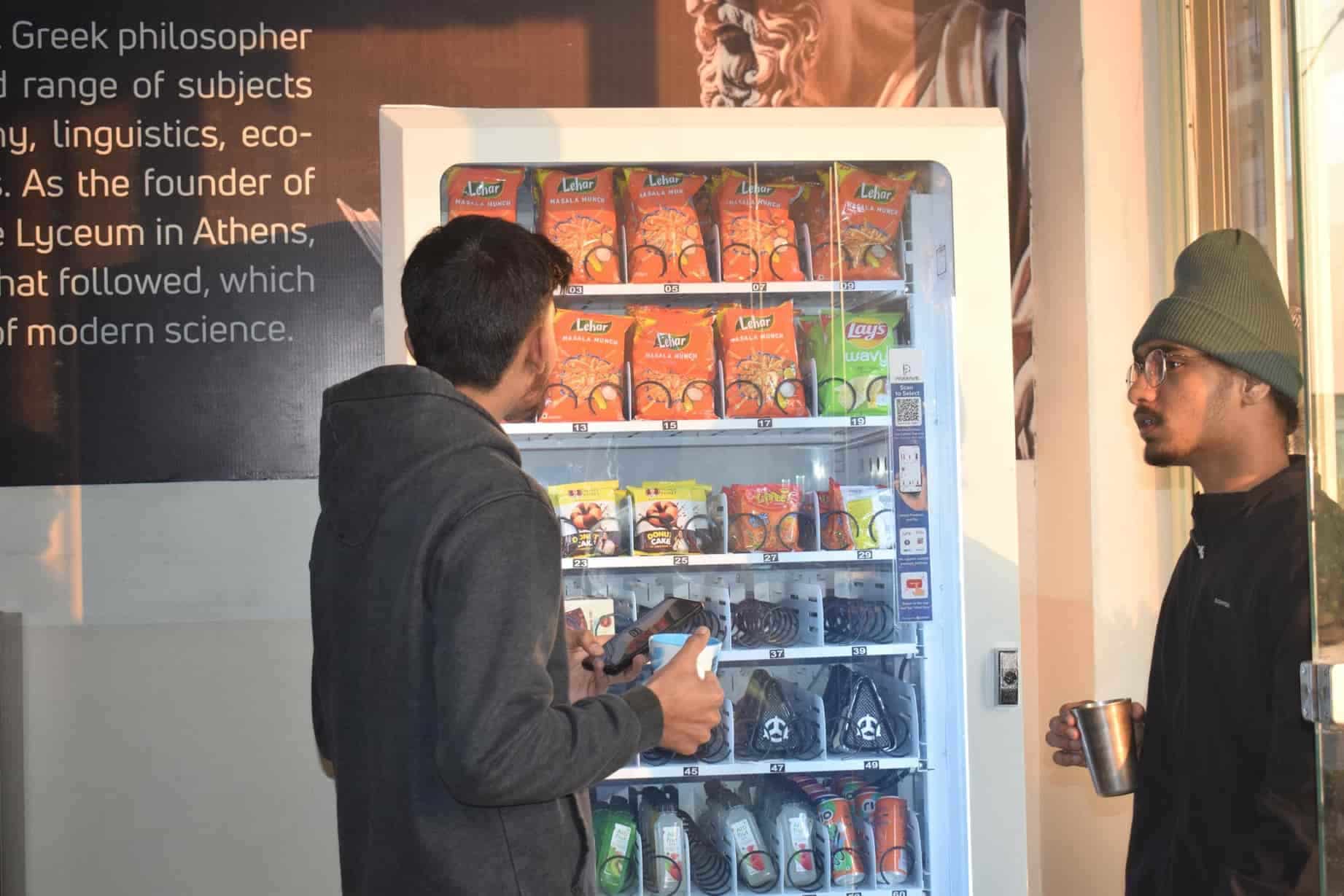
Built for repeat use
Presentable machines for high-footfall public areas.
Deployments
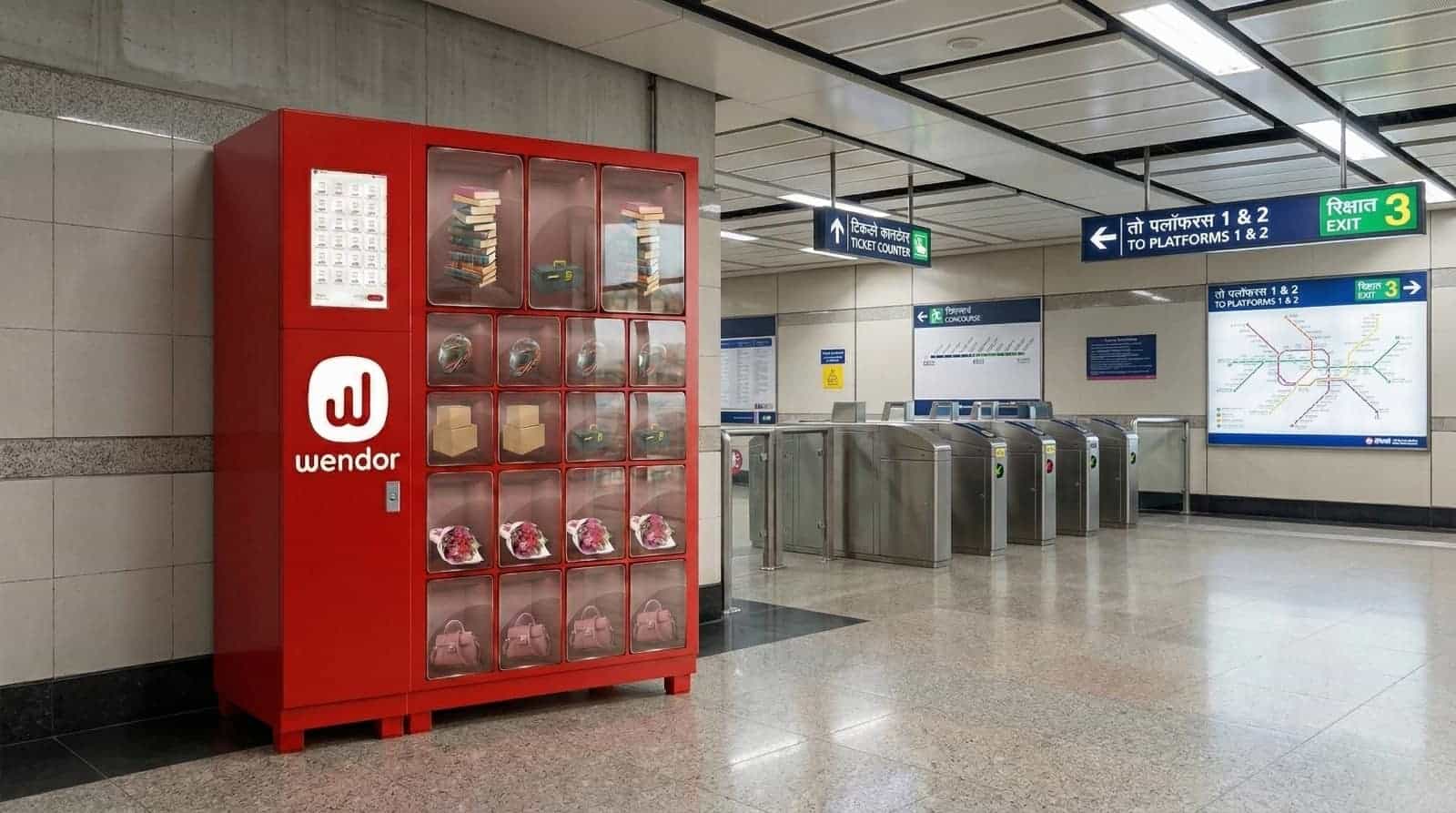
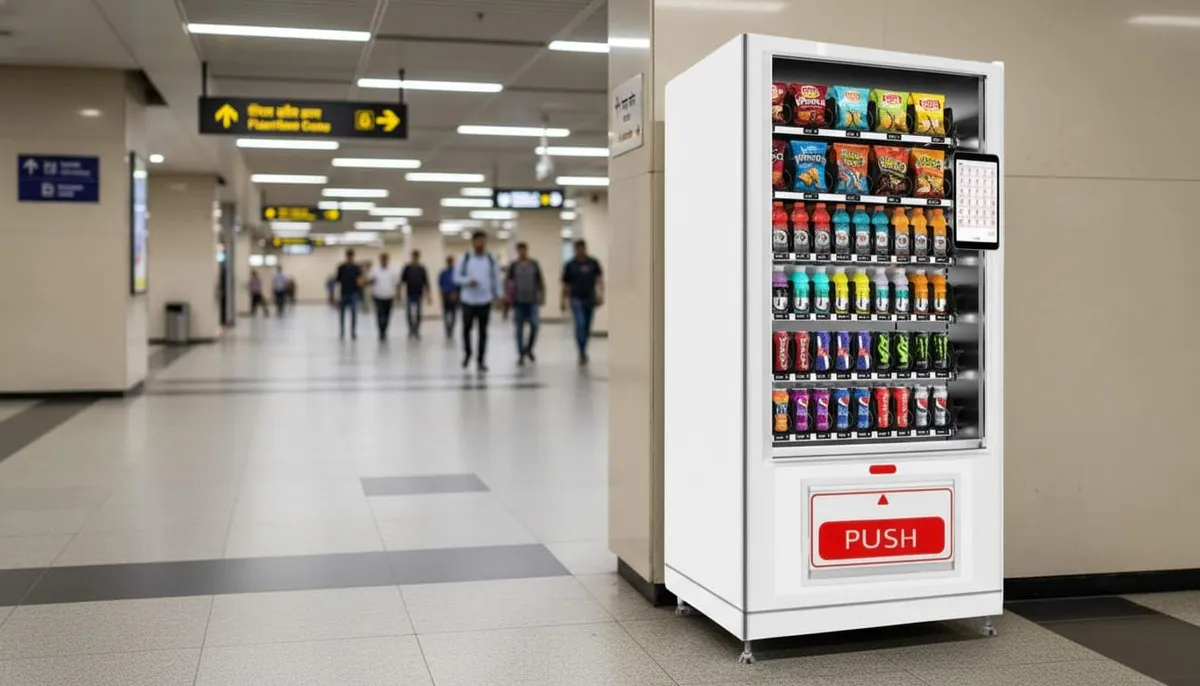
Transit vending in action.
Concourse, waiting-area and walkway placements for urgent and repeat demand.
.BzZc0x5R.jpeg)
.CRnu0_2r.jpeg)
Airports, rail, metro and bus terminals: grab-and-go demand served by a clean self-service layer for drinks, snacks and travel essentials.
Vending in Saudi Arabia
Running vending machines in Saudi Arabia
Saudi Arabia’s cashless shift has been fast, and mada tap-to-pay is now the everyday way to pay. For operators, the checklist is longer than elsewhere in the Gulf: SFDA food rules, municipal (Balady) licensing, SABER product conformity and ZATCA e-invoicing.
How people pay in Saudi Arabia
Most small retail payments in the Kingdom are cashless, and mada, the national debit network, carries the largest share.
- mada
- The national debit network, used by almost every Saudi bank card, including tap-to-pay.
- Apple Pay
- Very widely used, usually with a mada card behind it.
- Visa and Mastercard
- Credit cards and cards issued abroad.
- STC Bank and other wallets
- Popular with younger shoppers; support depends on the payment gateway.
Licences and rules
- SFDA
- The Saudi Food and Drug Authority sets the rules for food products, labelling and storage.
- Municipal licence (Balady)
- Each placement usually needs a municipal licence through the Balady platform.
- SABER conformity
- Imported electrical equipment, including vending machines, needs SABER registration and conformity certificates.
- VAT and e-invoicing
- VAT is 15%, and businesses must issue ZATCA-compliant electronic invoices.
- Foreign ownership
- Foreign-owned operators need a Ministry of Investment licence before commercial registration.
Pricing and tax
Saudi quotes are in SAR and depend on machine class, payment hardware, cooling and installation.
- Plan the landed cost: machine, freight, customs duty, SABER certification and 15% VAT.
- Arabic on-screen text and labels are expected in public sites.
- Multi-site programmes (hospitals, universities, government campuses) are priced as a rollout, not per machine.
On the ground
- Power
- Saudi Arabia uses 230 V at 60 Hz. Confirm the machine’s power specification for 60 Hz supply before ordering.
- Heat
- Place chilled machines indoors or in shaded, ventilated spots; summer peaks are extreme.
- Sales and support from Dubai
- Gulf projects are handled by our Dubai sales team (WhatsApp +971 52 2674620). Machines report stock, sales and faults in real time, so most issues are diagnosed remotely before anyone is sent to site.
Where first machines usually go
- HospitalsLarge campuses with 24/7 staff and visitors.
- UniversitiesSeparate male and female campuses often mean more machines per university.
- Malls and entertainment venuesNew entertainment and leisure projects add high-footfall sites every year.
- Offices and government buildingsStaff convenience with cashless checkout.
This is a planning guide, not legal or tax advice. Rules and rates change, so confirm current requirements with the authority named before you launch. Which payment methods a machine accepts depends on the payment terminal and gateway chosen for your sites.
FAQ
Vending machines for stations and airports: common questions
Questions from airport, rail, metro and terminal operators.
