
Smart Campus
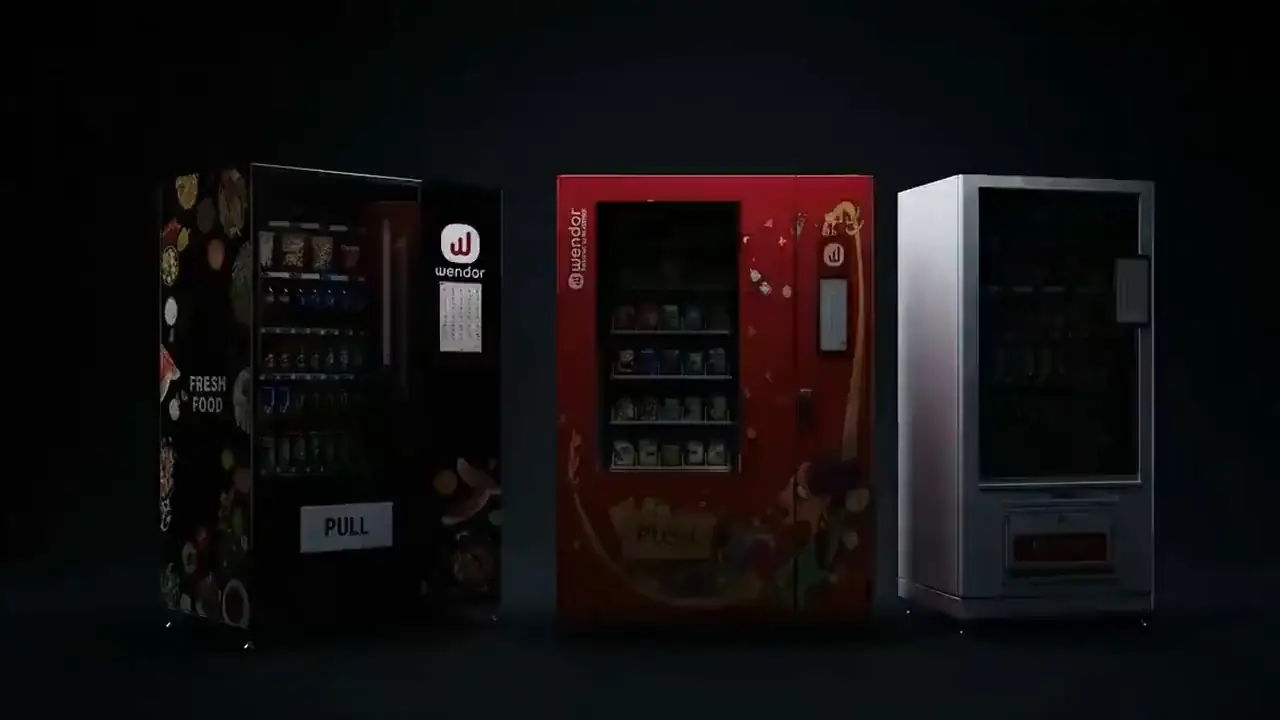
Smart vending solutions built for real-world operations.
Our clients
Organisations whose sites host Wendor machines










Campus challenge
Why campuses are switching to smart vending.
Traditional food service can be slow, expensive and hard to scale. Smart vending gives schools and universities a faster, cleaner and more controllable option.
Traditional campus cafeteria
- Long queues eat into short breaks between classes.
- Limited opening hours leave evening and weekend demand unserved.
- Staffing and running costs add management overhead.
Wendor smart vending layer
- Instant self-service with little or no queueing.
- 24/7 access that supports student life beyond cafeteria hours.
- Lean operations with clear data and dependable revenue.
Business outcomes
Why campuses choose Wendor.
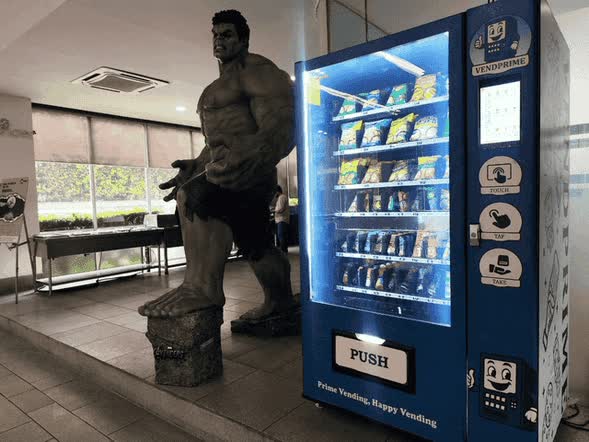
Wendor helps campuses improve convenience, keep service quality high and run food retail with better consistency and control.
-
A revenue stream that runs itself
Machines capture demand that already exists on campus, from early lectures to late study sessions, and the income can support student programmes.
-
A modern campus hub
Self-service retail upgrades the student experience without the upkeep of a staffed outlet.
- 24/7 access during late-night study and exam weeks.
- Minimal upkeep compared with a cafeteria counter.
-
Instant access, zero friction
Easy access to snacks and drinks keeps students focused and improves day-to-day campus life.
Smart capabilities
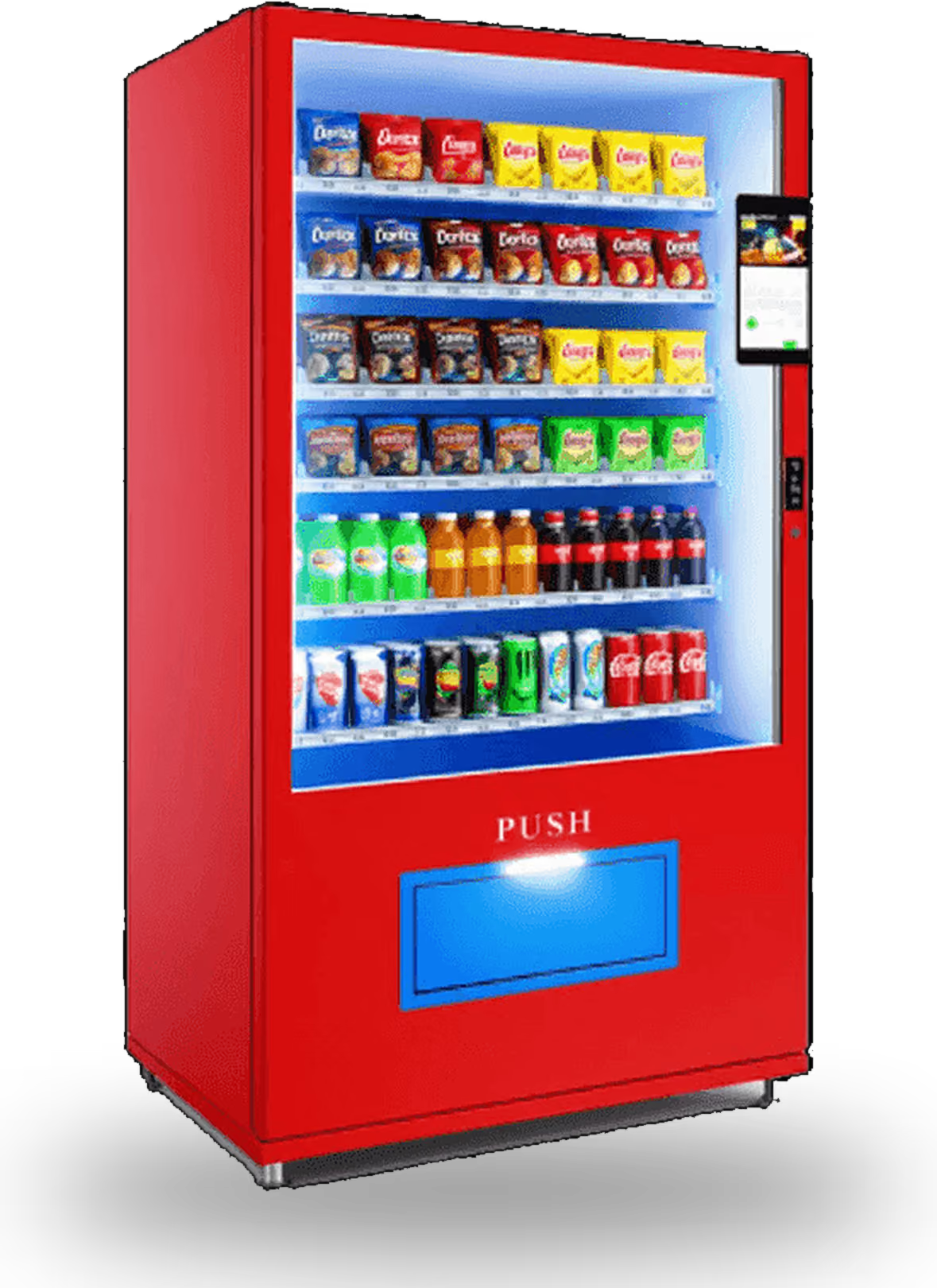
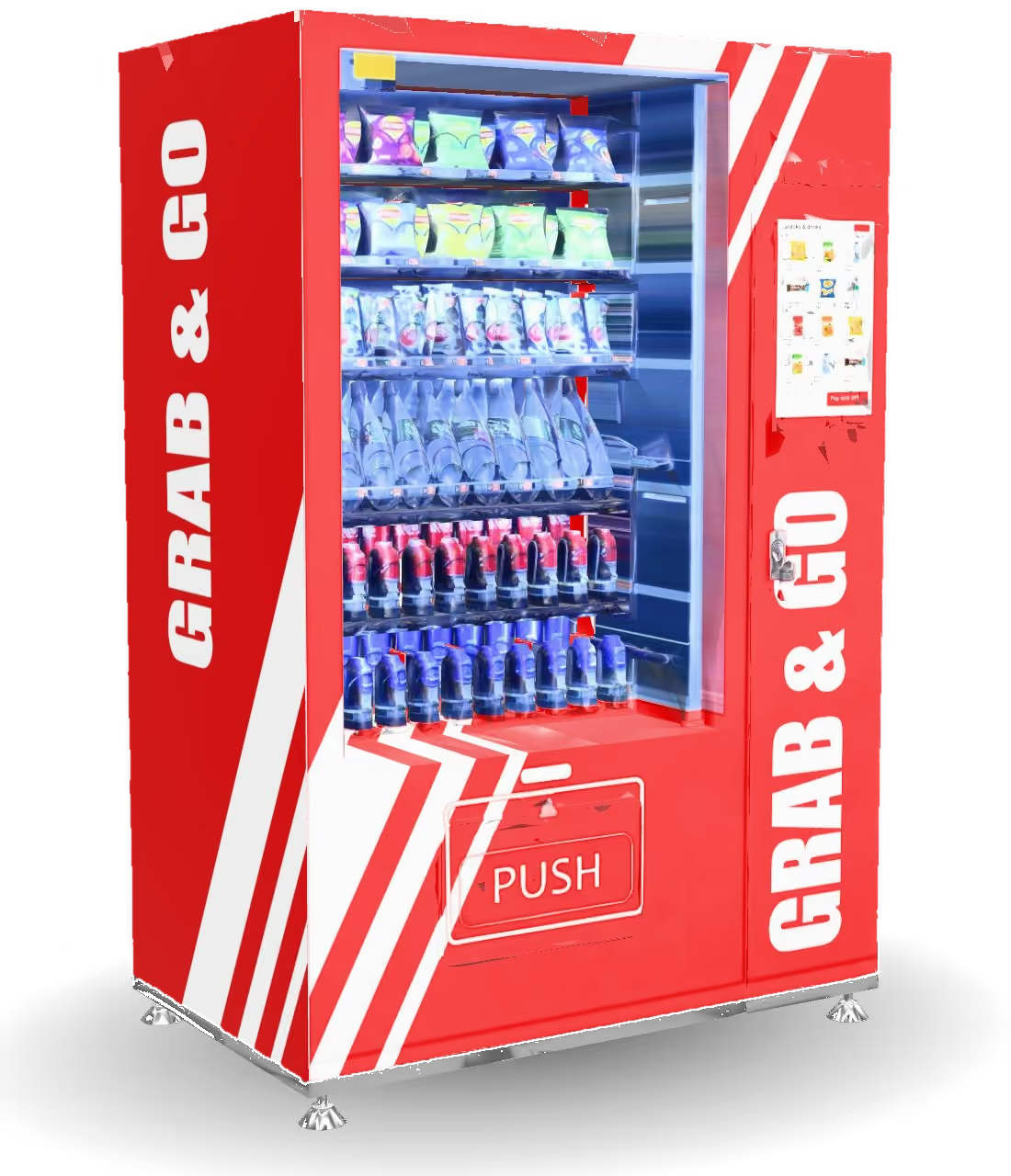
Features for better campus operations.
-
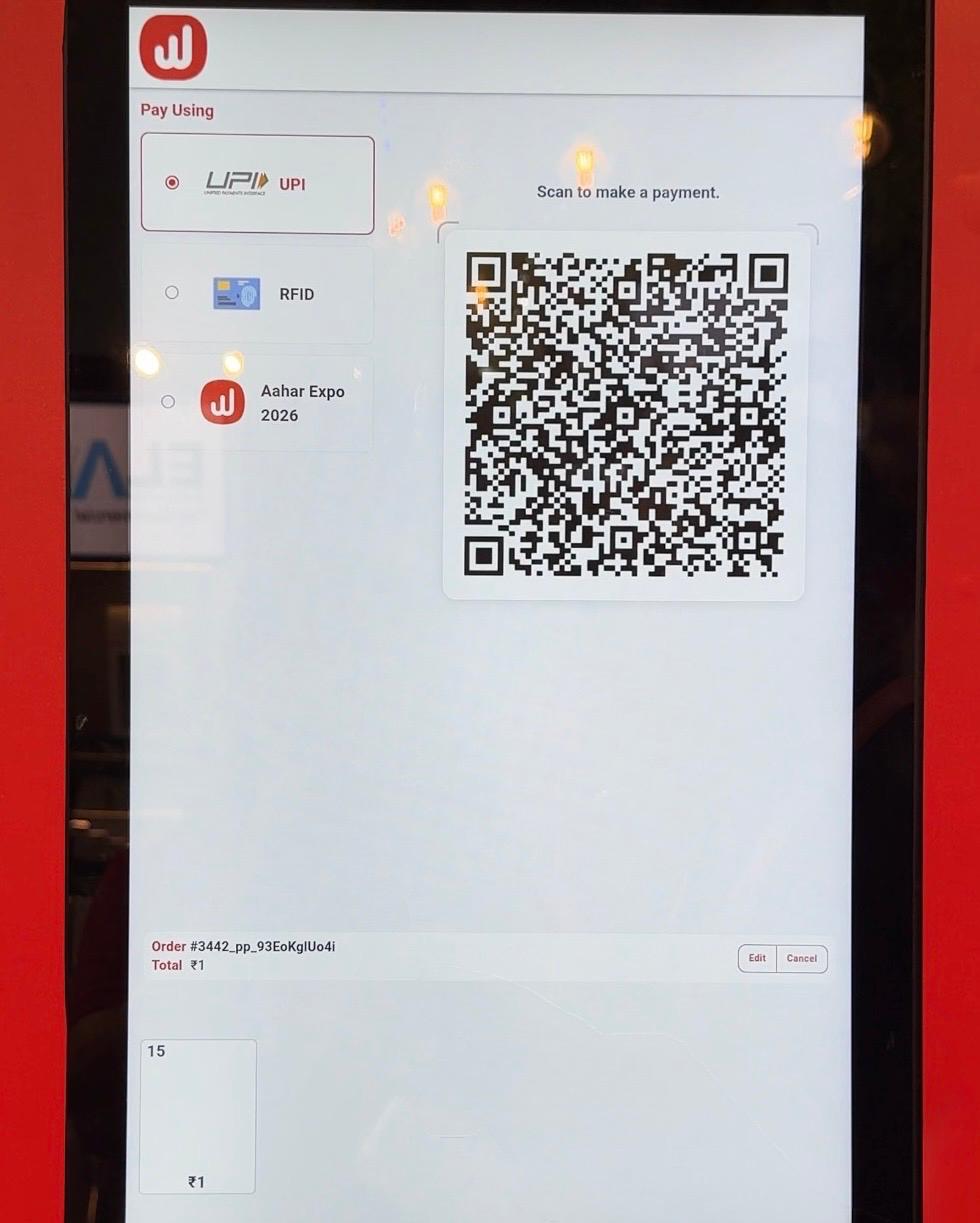
Cashless payments
Cards, mobile wallets and QR codes.
-
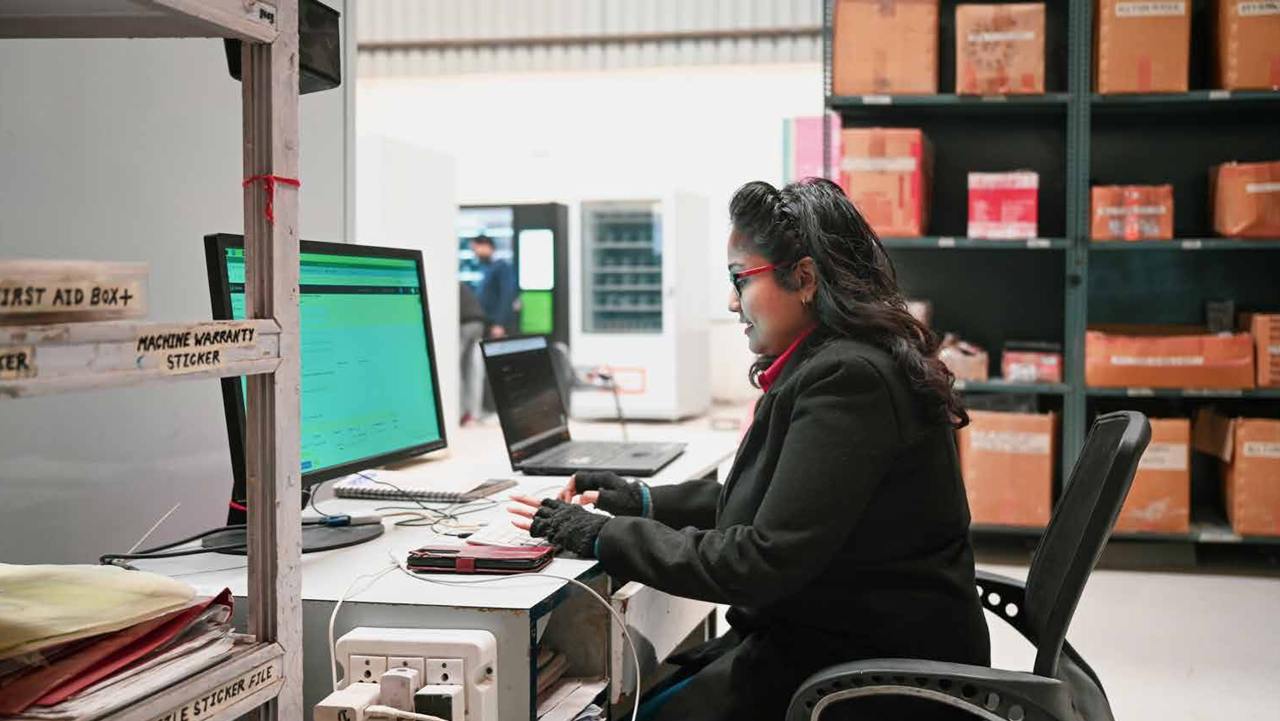
Live inventory tracking
Always stocked, rarely sold out.
-
.B9NxL8Yx.jpeg)
Smart recommendations
Promote the products students buy most.
-
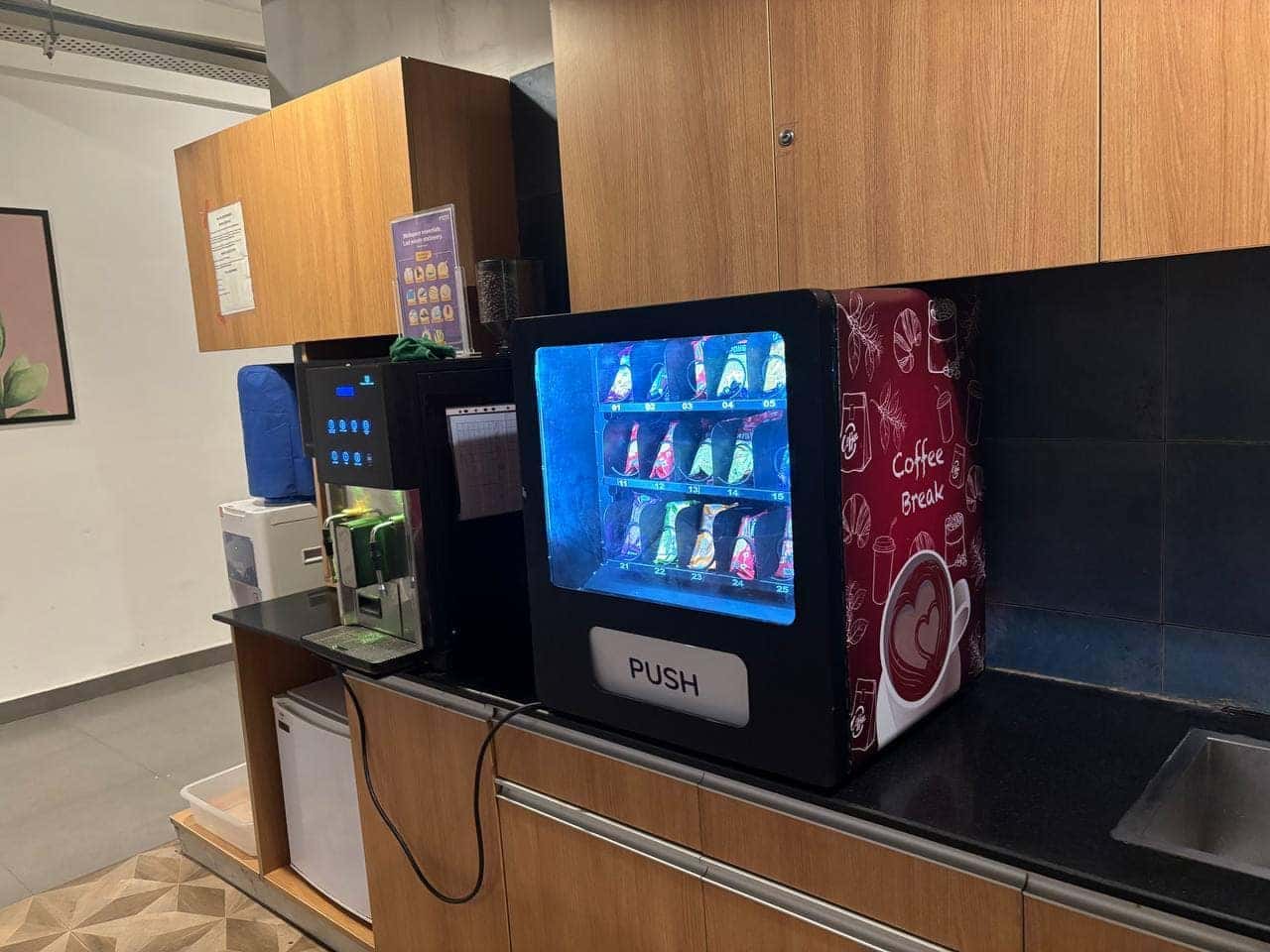
Energy-efficient machines
Lower electricity costs.
Campus deployments
Campus vending in action.
Real campus deployments showing faster service and student-first retail access.
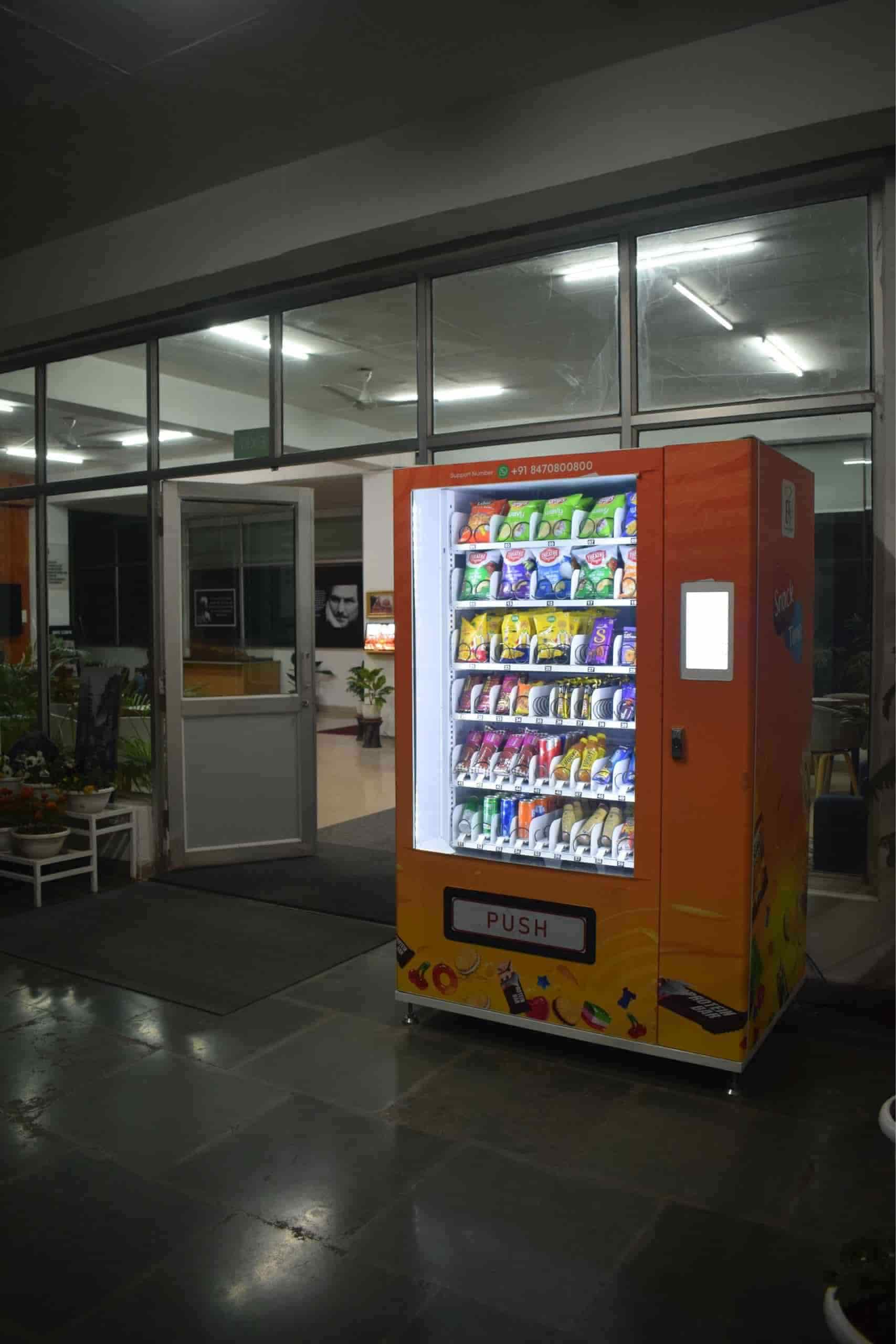
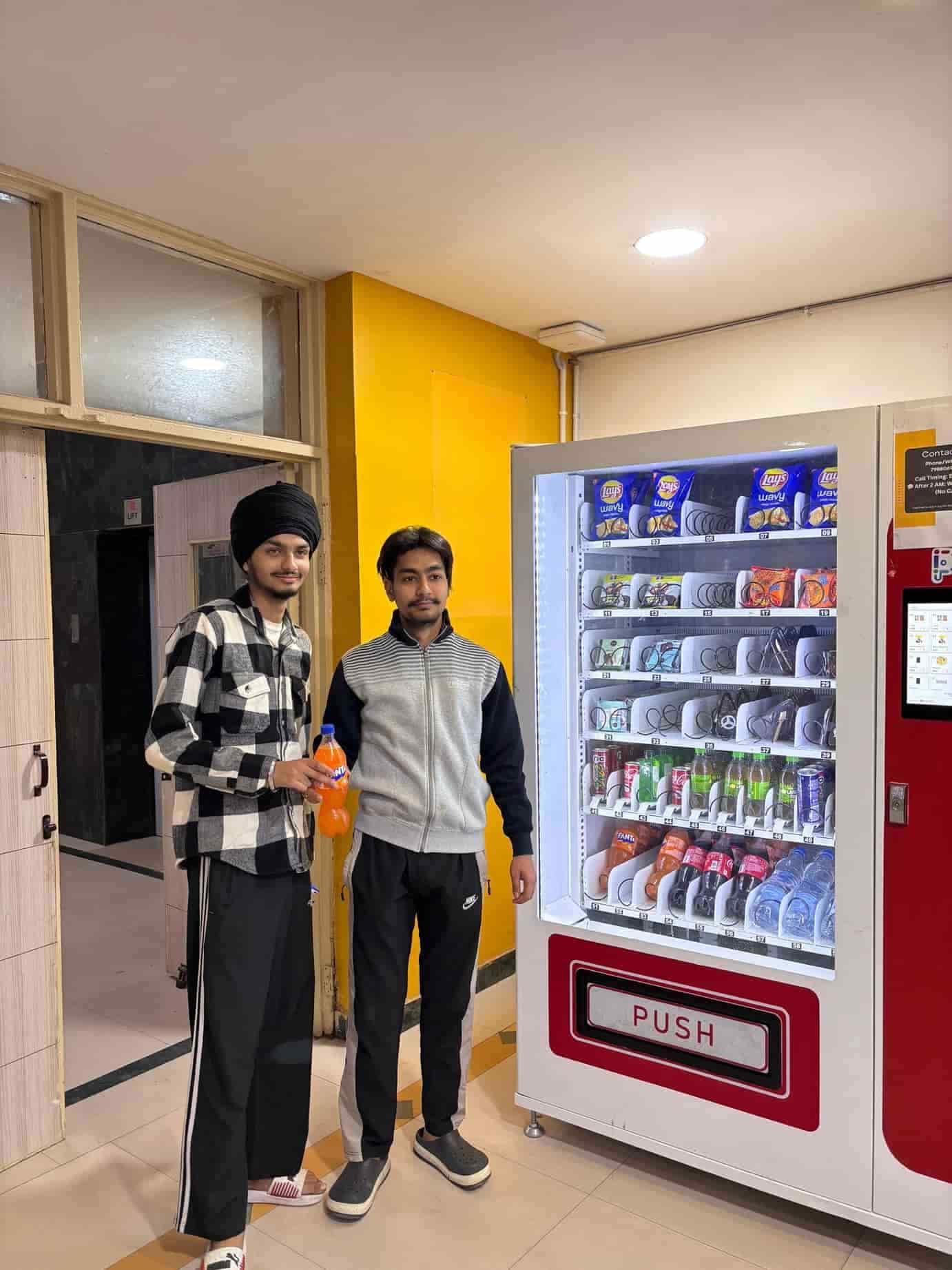
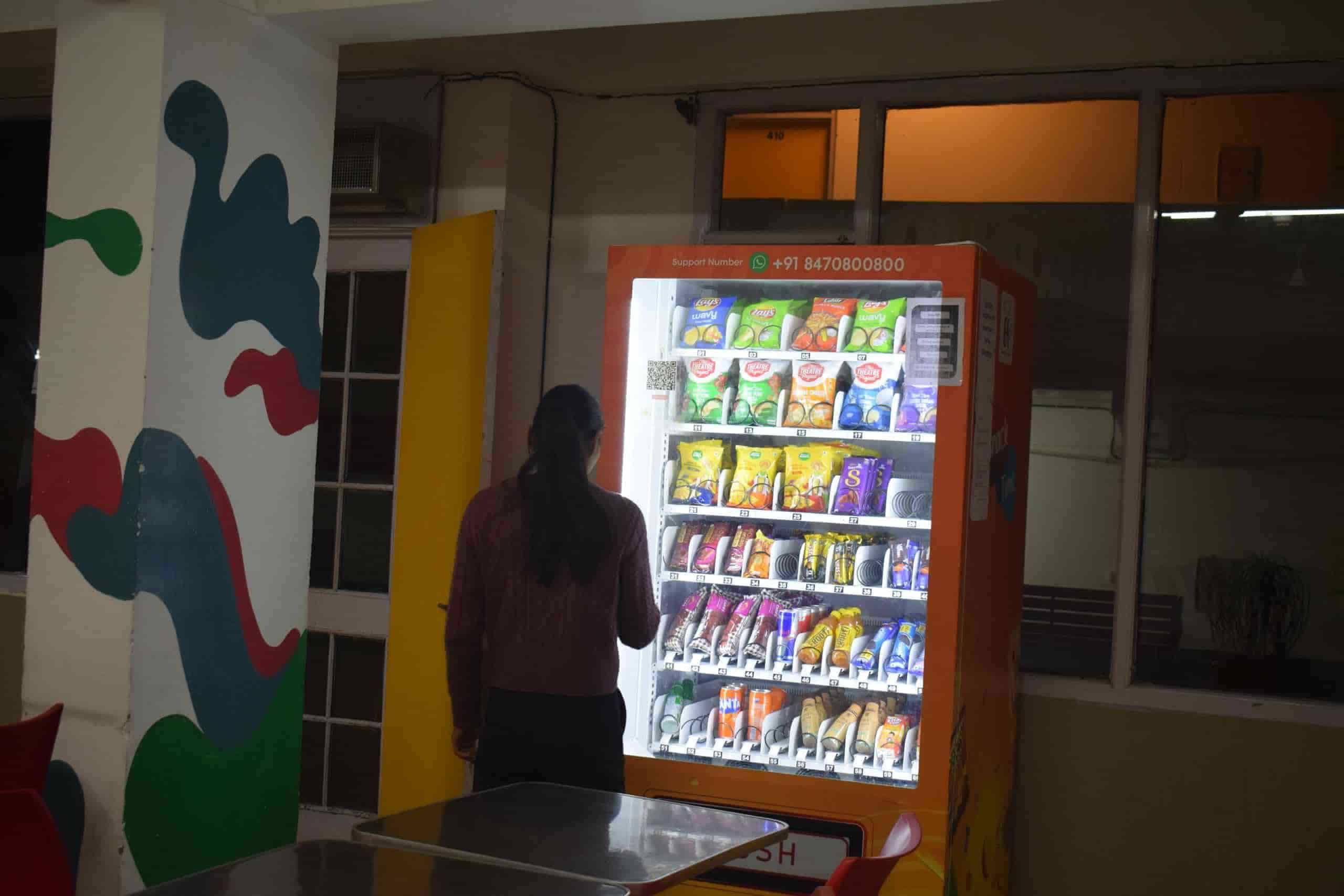
Give students and staff 24/7 access to trusted snacks and drinks while your institution gains control and cleaner operations.
Vending in United Kingdom
Running vending machines in the United Kingdom
UK buyers expect contactless payment everywhere and a machine that looks after itself between service visits. The regulatory side is light but specific: register as a food business with your council and follow allergen labelling rules for anything prepacked on site.
How people pay in the United Kingdom
Most UK vending sales are now contactless. Cash-only machines lose sales, especially in offices and transport hubs.
- Contactless cards
- Visa, Mastercard and Amex tap-to-pay, including debit cards from every UK bank.
- Apple Pay and Google Pay
- Phone and watch payments, often the majority in office and university sites.
- Staff and student cards
- Closed-loop credit for subsidised workplace and campus vending.
Licences and rules
- Food business registration
- Register with the local council at least 28 days before you start selling food or drink. Registration is free.
- Allergen labelling (Natasha’s Law)
- Food that is prepacked for direct sale needs a full ingredients list with allergens emphasised. Sealed branded products already carry this.
- VAT
- Standard VAT is 20%. Many cold foods are zero-rated, but confectionery, crisps and soft drinks are standard-rated.
- Product safety marking
- Machines sold in Great Britain need UKCA or CE marking and must meet electrical safety rules.
Pricing and tax
New machines are usually budgeted from about £1,200 to £15,000+, and a small launch from about £2,000 to £20,000 once stock, insurance and setup are added.
- Quotes are in pounds, with shipping, duty and VAT shown separately.
- Telemetry cuts wasted service visits, which is where UK operators spend most of their margin.
- Public liability insurance is normally required by the site owner.
On the ground
- Power
- 230 V, 50 Hz with standard UK three-pin plugs.
- Service model
- Remote monitoring lets you restock and service only when a machine needs it, not on a fixed route.
- How we support the rollout
- Our international team scopes the project with you, and every machine reports stock, sales and faults in real time. Most issues are diagnosed remotely, and you see the same dashboard we do.
Where first machines usually go
- Offices and co-working spacesHealthy snacks and drinks, often subsidised by the employer.
- Universities and collegesLate-night study spaces and halls of residence.
- Hospitals and care settingsRound-the-clock access for staff on night shifts.
- Gyms and leisure centresProtein snacks, drinks and supplements.
This is a planning guide, not legal or tax advice. Rules and rates change, so confirm current requirements with the authority named before you launch. Which payment methods a machine accepts depends on the payment terminal and gateway chosen for your sites.
FAQ
Vending machines for schools and universities: common questions
Quick answers on fit, operations and campus-ready vending.
