
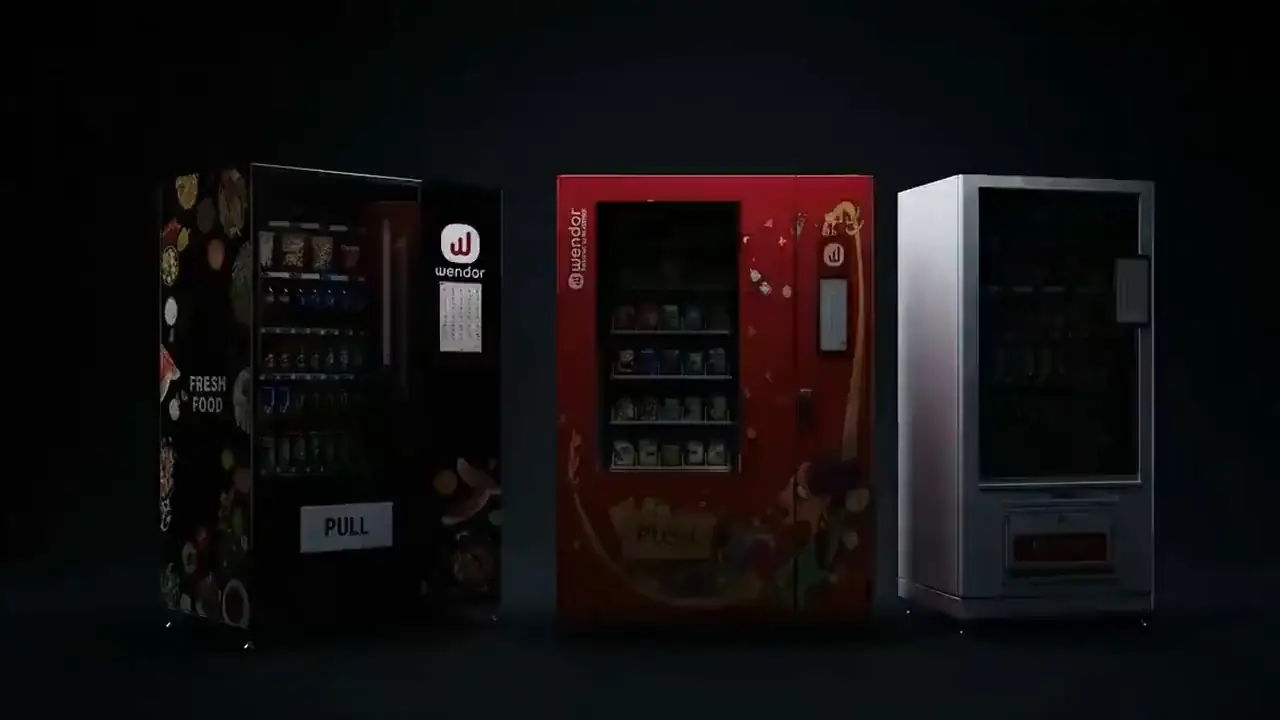
Smart Fitness Spaces
Smart vending solutions built for real-world operations.
Our clients
Organisations whose sites host Wendor machines










Gym challenge
Why fitness operators are moving from counters to smart vending.
Refreshment counters struggle at rush hour. Smart vending keeps service available without adding staff.
Traditional gym refreshment counter
- Queues at peak times spoil the member experience.
- Members have no access once the counter closes.
- Staffing and wastage make it hard to scale.
Wendor smart vending layer
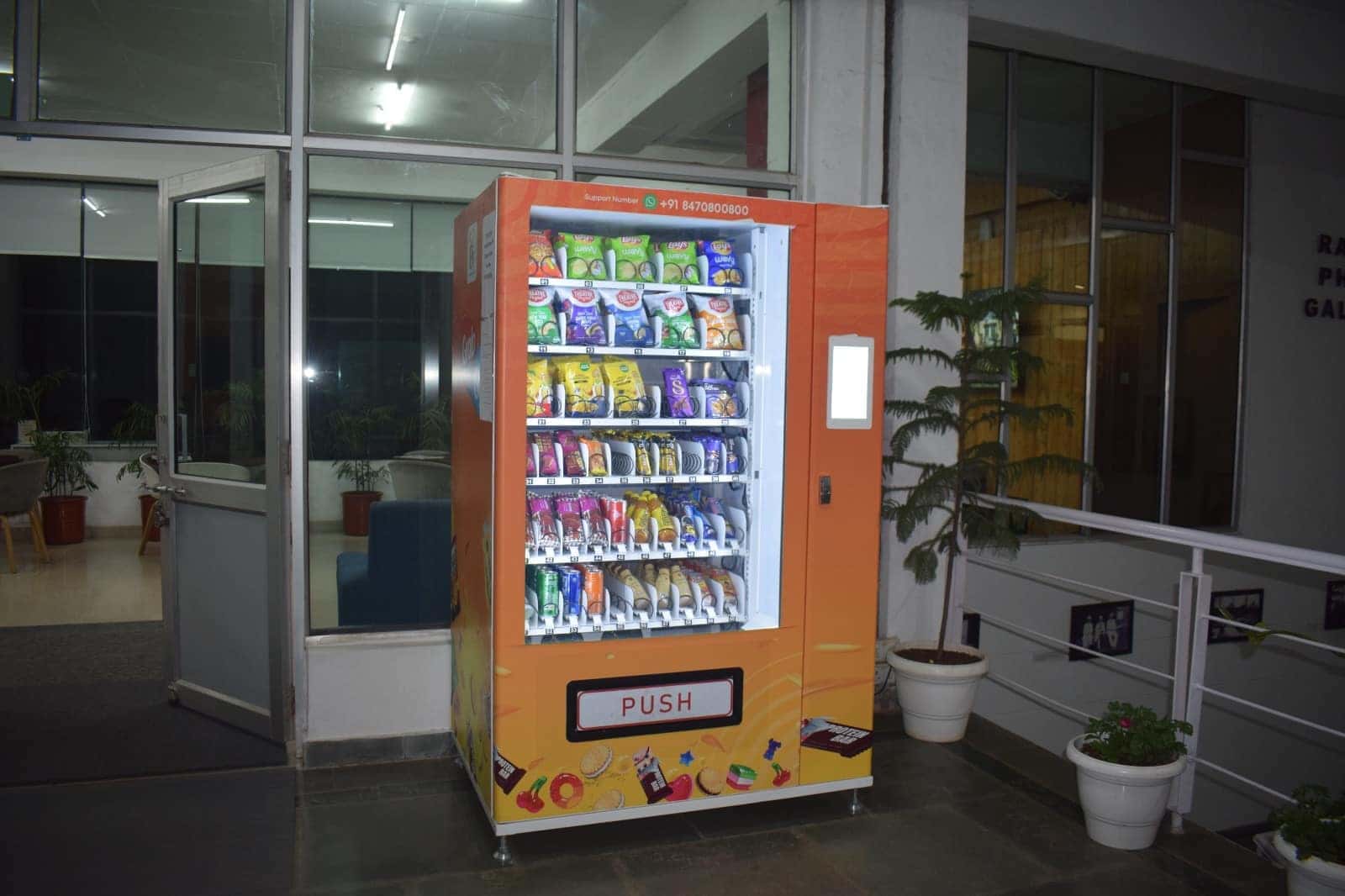
- Tap-and-go hydration and fitness snacks in seconds.
- Available across all opening hours.
- Lean operations with clear demand data.
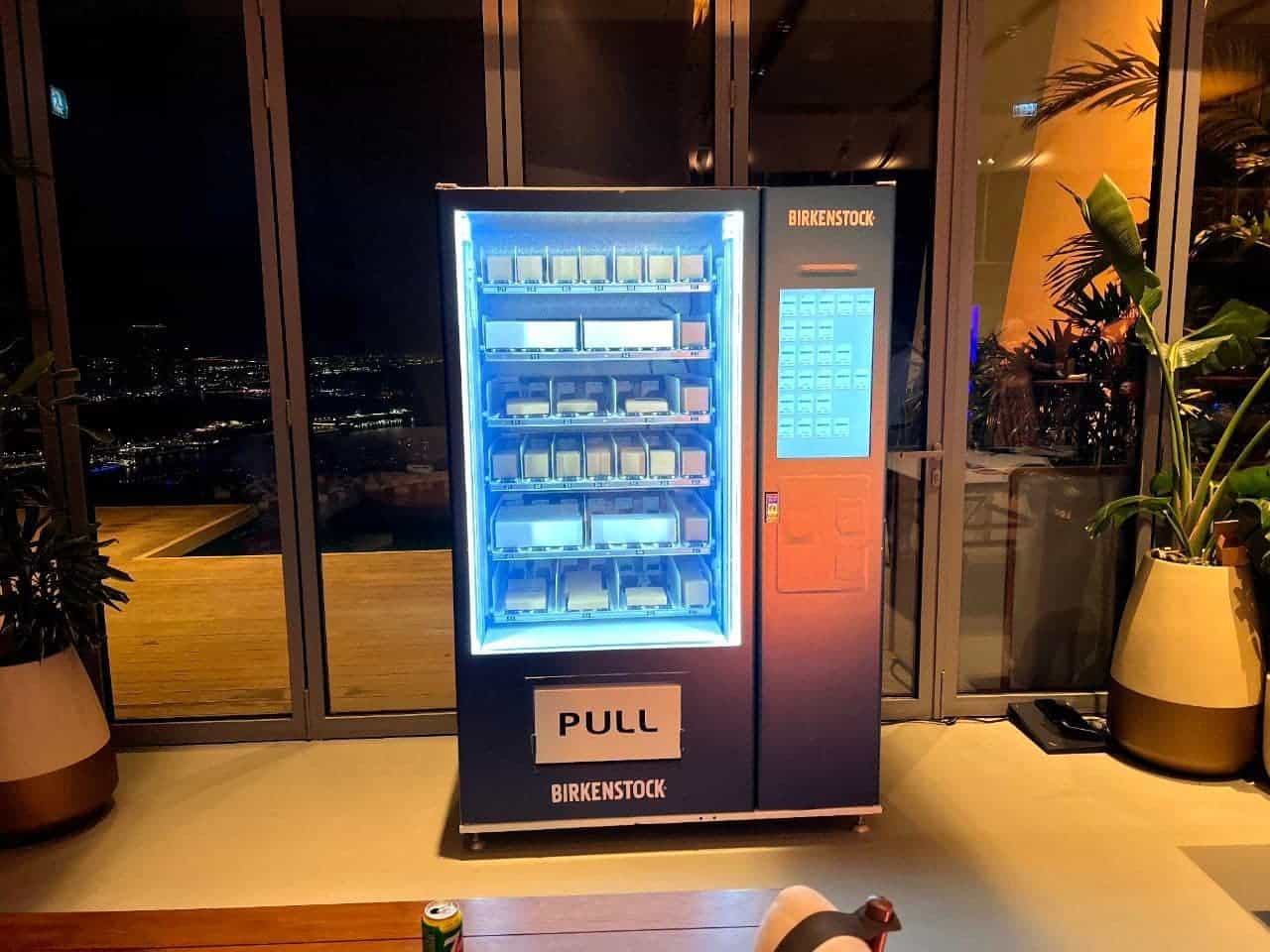
Business outcomes
Why gyms choose Wendor.
Wendor helps fitness clubs serve members faster, cut manual work and run a smarter on-site retail programme.
-
Member convenience with no counter queues
Members grab water, protein bars and workout snacks in seconds.
-
Open when your members train
Service stays available from early morning to late night, including unstaffed hours.
- Handles peak-hour bursts.
- No dependency on counter hours.
-
A lean model with strong returns
Compared with a juice bar, a machine needs far less staff time and adds a predictable revenue line.
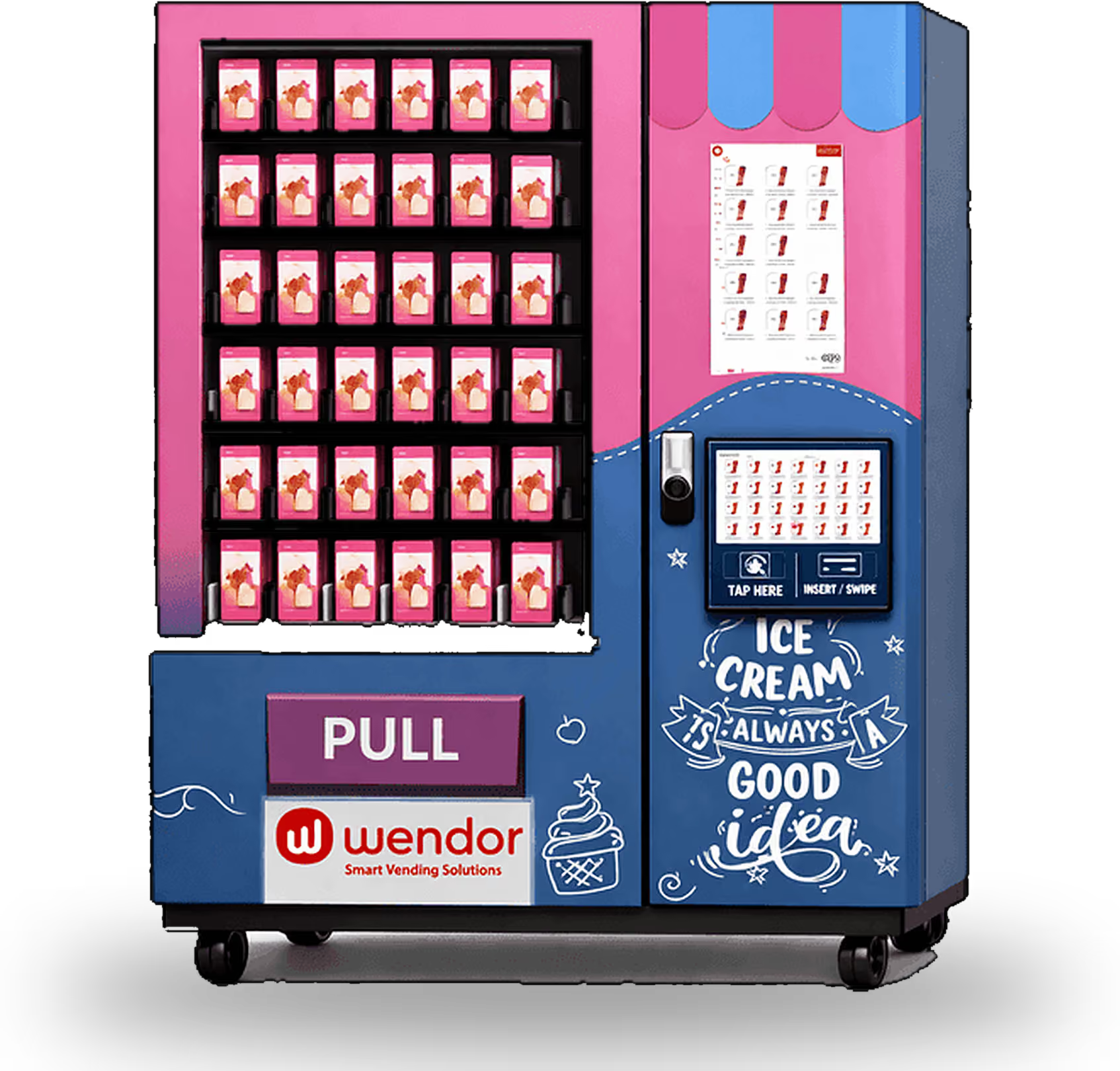
Smart capabilities
Features for busy fitness clubs.
-
Cashless checkout
Fast card, wallet and QR payments.
-
Live stock visibility
Track demand and plan refills accurately.
-
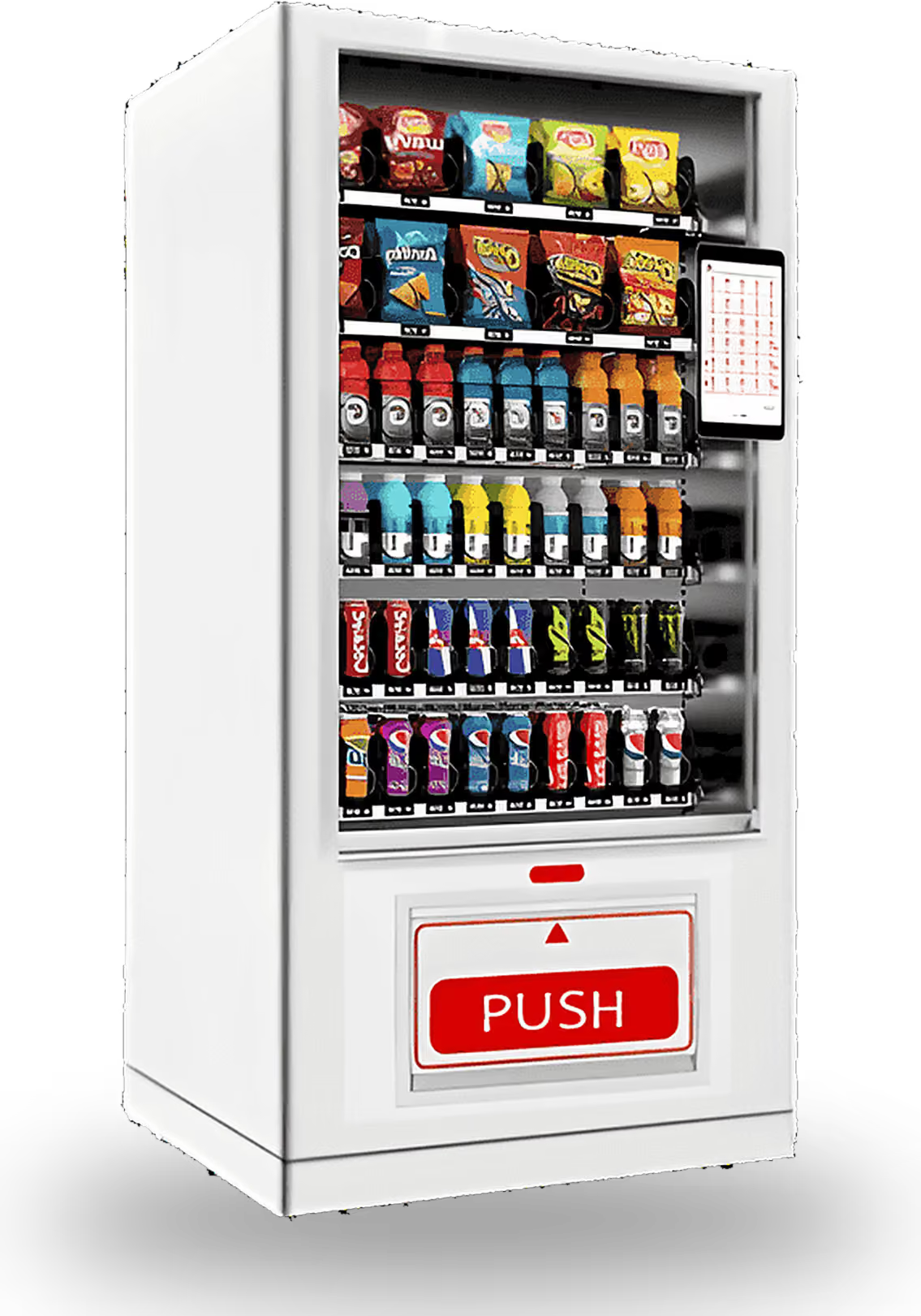
Fitness-ready range
Hydration, protein and wellness products.
-
Energy-efficient operation
Always-on service with controlled power use.
Gym deployments
Fitness spaces already improving convenience with Wendor.
Deployments showing faster member access and a cleaner operating model.
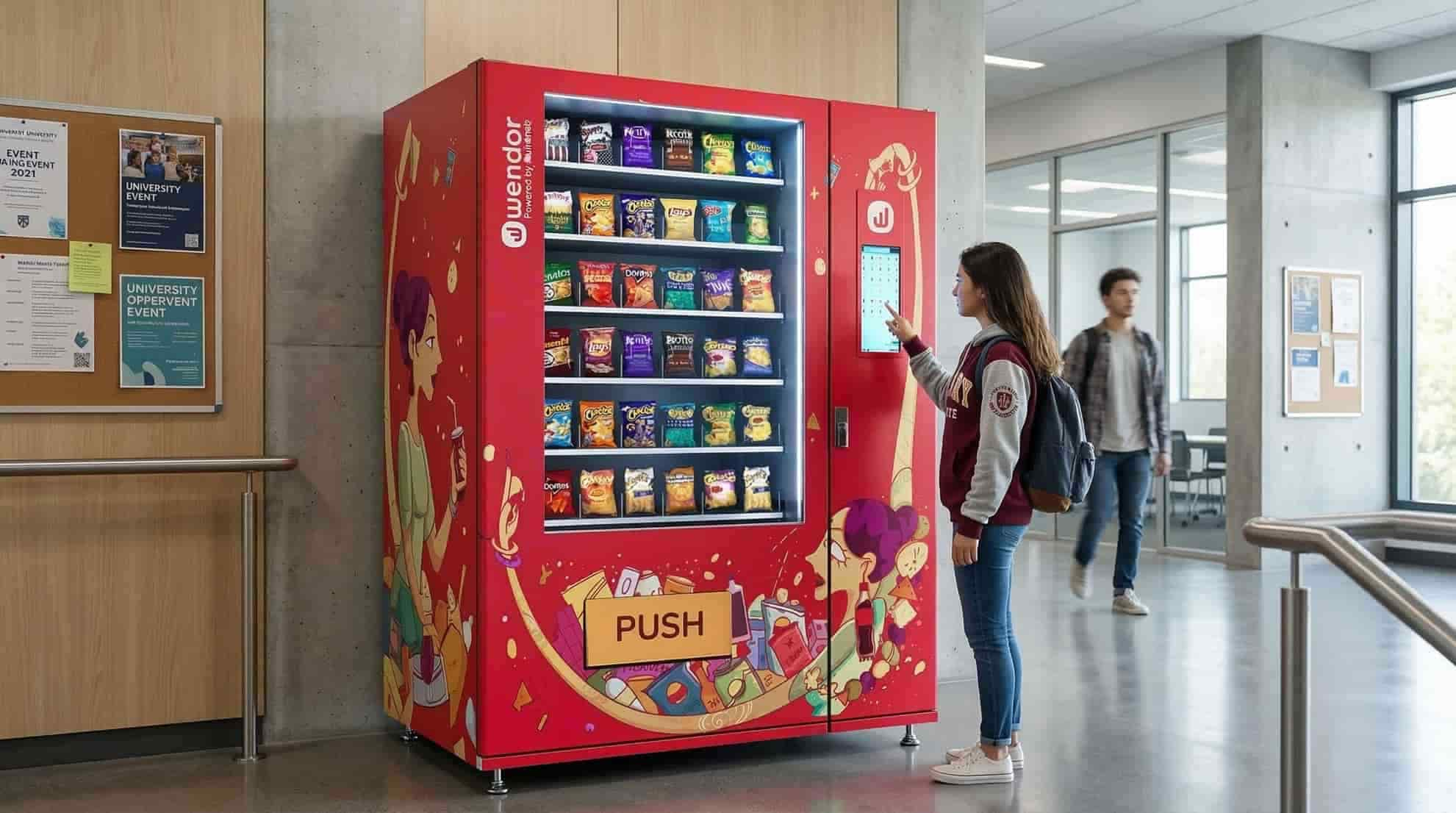
Give members instant access to hydration and recovery essentials while your gym runs a cleaner, lower-friction retail layer.
Vending in United Kingdom
Running vending machines in the United Kingdom
UK buyers expect contactless payment everywhere and a machine that looks after itself between service visits. The regulatory side is light but specific: register as a food business with your council and follow allergen labelling rules for anything prepacked on site.
How people pay in the United Kingdom
Most UK vending sales are now contactless. Cash-only machines lose sales, especially in offices and transport hubs.
- Contactless cards
- Visa, Mastercard and Amex tap-to-pay, including debit cards from every UK bank.
- Apple Pay and Google Pay
- Phone and watch payments, often the majority in office and university sites.
- Staff and student cards
- Closed-loop credit for subsidised workplace and campus vending.
Licences and rules
- Food business registration
- Register with the local council at least 28 days before you start selling food or drink. Registration is free.
- Allergen labelling (Natasha’s Law)
- Food that is prepacked for direct sale needs a full ingredients list with allergens emphasised. Sealed branded products already carry this.
- VAT
- Standard VAT is 20%. Many cold foods are zero-rated, but confectionery, crisps and soft drinks are standard-rated.
- Product safety marking
- Machines sold in Great Britain need UKCA or CE marking and must meet electrical safety rules.
Pricing and tax
New machines are usually budgeted from about £1,200 to £15,000+, and a small launch from about £2,000 to £20,000 once stock, insurance and setup are added.
- Quotes are in pounds, with shipping, duty and VAT shown separately.
- Telemetry cuts wasted service visits, which is where UK operators spend most of their margin.
- Public liability insurance is normally required by the site owner.
On the ground
- Power
- 230 V, 50 Hz with standard UK three-pin plugs.
- Service model
- Remote monitoring lets you restock and service only when a machine needs it, not on a fixed route.
- How we support the rollout
- Our international team scopes the project with you, and every machine reports stock, sales and faults in real time. Most issues are diagnosed remotely, and you see the same dashboard we do.
Where first machines usually go
- Offices and co-working spacesHealthy snacks and drinks, often subsidised by the employer.
- Universities and collegesLate-night study spaces and halls of residence.
- Hospitals and care settingsRound-the-clock access for staff on night shifts.
- Gyms and leisure centresProtein snacks, drinks and supplements.
This is a planning guide, not legal or tax advice. Rules and rates change, so confirm current requirements with the authority named before you launch. Which payment methods a machine accepts depends on the payment terminal and gateway chosen for your sites.
FAQ
Gym vending machines: common questions
Quick answers on member fit, product choice and gym-ready vending.
