Inventory & Logistics Excellence
Wendor’s inventory and logistics layer manages the path from warehouse inwarding to machine dispense, giving operators better stock control, transfer visibility, and replenishment logic.
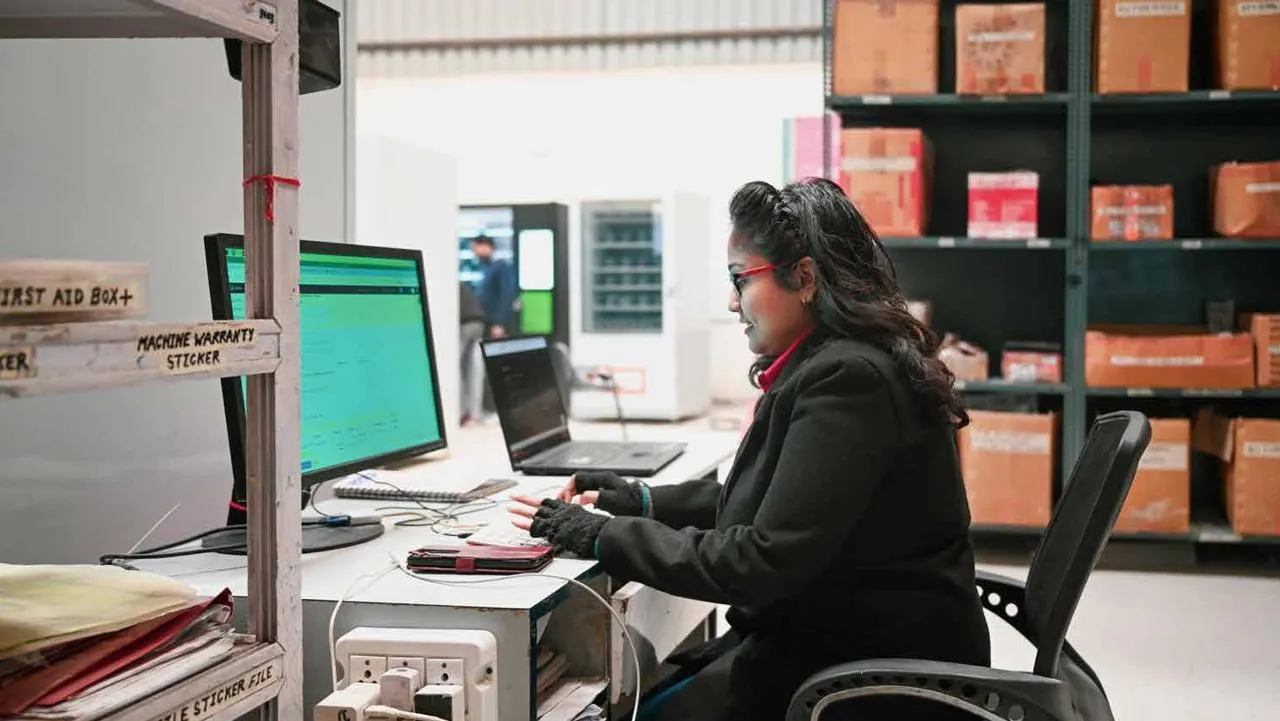
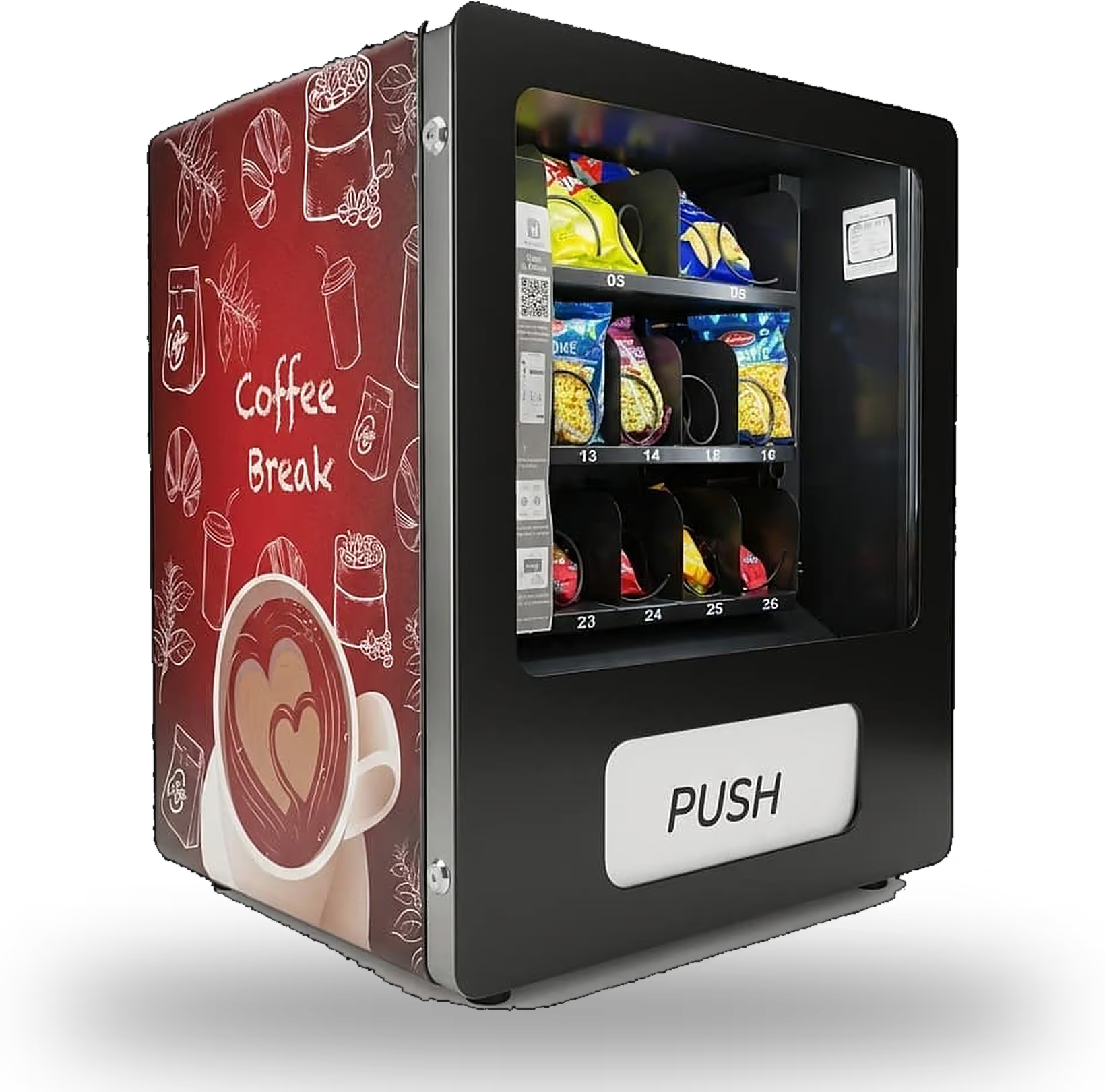
- Controls
- warehouse to machine flow
- Tracks
- units, packs, boxes, transfers
- Supports
- POs, audits, refill planning
In practice
Logistics software for real vending operations
Warehouse and refill infrastructure built for traceability, clarity and replenishment discipline.
-
Multi-stage stock flow
Products move from supplier and warehouse contexts into machine-specific refill logic with better traceability.
-
Audit discipline
Blind or trusted audits help teams spot shrinkage, errors, and drift before they distort operations.
-
Replenishment logic
Stock movement and machine depletion can inform smarter refill planning and PO triggers.
Capabilities
Inventory and logistics controls
The controls a warehouse and refill team needs every day.
-
Multi-UOM handling
The system supports how stock is actually managed, from individual pieces to larger commercial units.
-
Transfer chain of custody
Every handoff becomes more visible across hubs, vehicles, and refill sessions.
-
Depletion-aware planning
Machine sales and stock state can influence what gets carried and when.
-
Export and enterprise fit
Movement and audit records can flow into wider planning or reporting processes.
Workflow
How the logistics layer runs
Wendor keeps an accurate stock record and moves that stock through the operation.
-
Track stock correctly
Operators define stock units and conversions in the way the business actually handles them.
-
Move and verify
Transfers, receipts, and audits create a digital trail across warehouses, teams, and machines.
-
Replenish intentionally
PO generation and refill planning respond to live conditions rather than rough manual judgment.
What buyers get
What operators get
-
Supply chain operations covered, not only front-end vending.
-
Less stock ambiguity across warehouses and machines.
-
B2B operations software that fits how refill teams actually work.
Next step
Where this fits in the software stack
Other linked modules
FAQ
Questions about inventory and logistics
Answers to common questions about industrial-grade inventory management.
How is box-to-unit conversion handled?
Unit-of-measure rules can be configured so warehouse and machine stock stay aligned.
Wendor VMS
- Supports realistic inventory handling beyond just single-unit counts
- Helps reduce confusion across warehouse and refill operations
Can I initiate stock transfers from the mobile app?
Field teams can acknowledge movement in mobile workflows while core control stays inside Wendor VMS.
Wendor VMS
- Keeps warehouse logic centralized
- Still gives field teams visibility where they need it
Does auto PO generation support multiple vendors?
Yes, procurement logic can support vendor-linked SKU relationships.
Wendor VMS
- Useful for more complex replenishment setups
- Helps maintain cleaner purchasing workflows across inventory programs
Are discrepancies auto-corrected?
No, discrepancies should stay visible for review instead of being silently overwritten.
Wendor VMS
- Preserves audit integrity
- Helps teams spot shrinkage, process gaps, or refill errors
Does it support barcode scanning?
Yes, barcode-supported workflows can speed up warehouse and refill execution.
Wendor VMS
- Useful during audits and machine-side stock work
- Helps reduce manual entry friction for field teams
Confirm the scope before your software pilot
Hardware and data
Bring your machine and payment-provider list, existing exports and required workflows. Confirm connector availability, data migration and functions to test.
Access and responsibilities
Agree user roles, data ownership, export access and who handles stocking, refunds and service. Review security and privacy requirements with the team.
Commercial and support terms
Request a proposal separating software, integration and hardware charges. Confirm onboarding, support availability and pilot acceptance criteria in writing.
